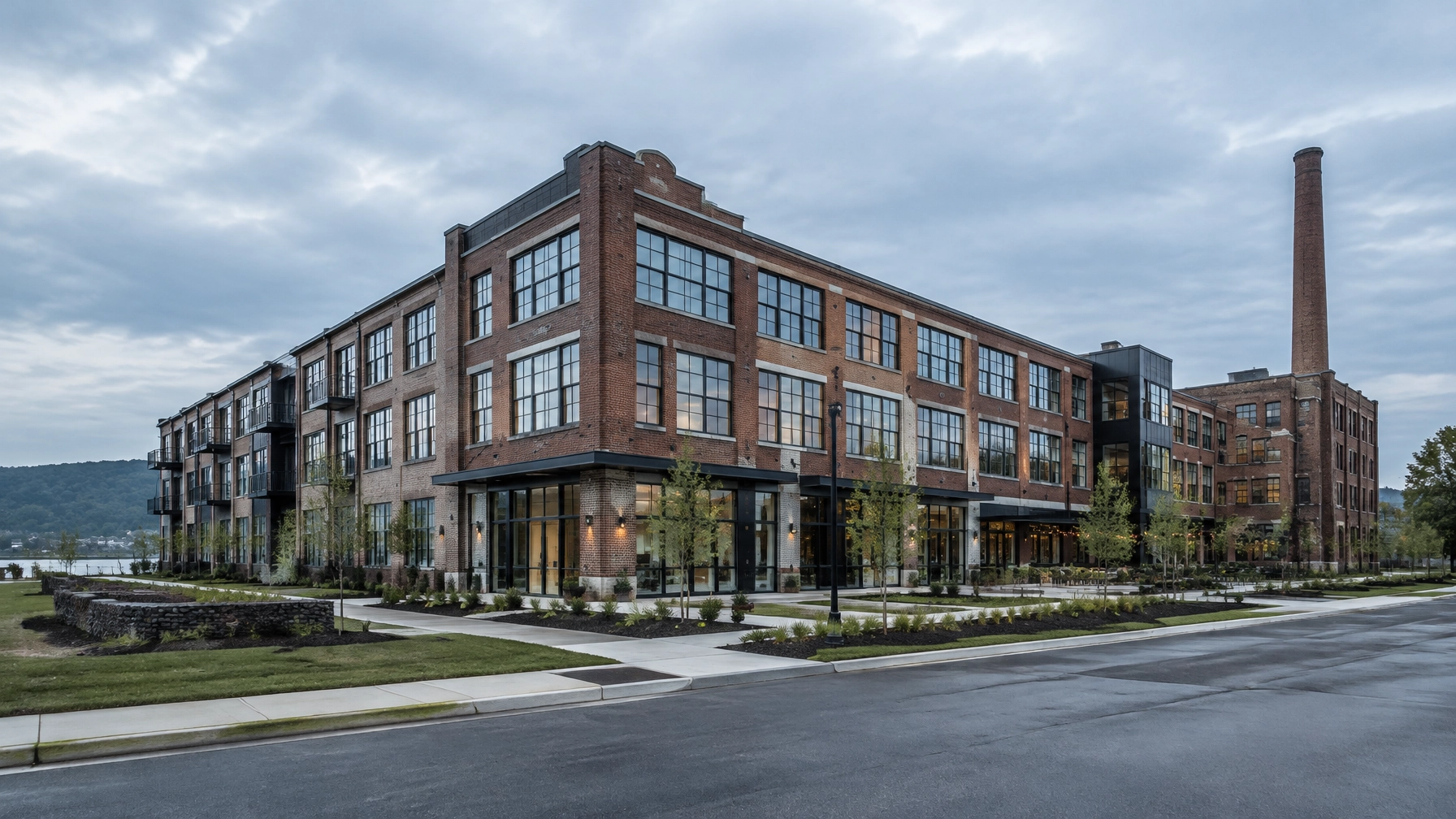
A Queens project can be ready for tenants and still be waiting on its Certificate of Occupancy (CO). If the property carries a NYC E-Designation, one unfinished environmental requirement can hold up the closeout, even when construction is otherwise complete.
The key is to treat closeout as three separate tracks: hazardous materials, air quality, and noise. Each track needs its required approvals, construction work, and completion documentation. Then the New York City Office of Environmental Remediation (OER) must issue the applicable Notice of Satisfaction (NOS).
What a NYC OER E-designation means for your project
A NYC E-Designation attaches environmental requirements to a property because of a zoning action. OER identifies three common categories: hazardous materials, air quality, and noise. The requirements depend on the specific property and its designation. Check the applicable designation and recorded documents for the site, rather than assuming every property has all three tracks.
OER explains that the requirements must be addressed before redevelopment permits and occupancy can proceed. For new buildings and certain conversions, applicants submit through EPIC Environment. Projects generally need an OER Notice to Proceed during the process and an NOS for the Department of Buildings (DOB) closeout.
The NOS is not the same as removal of the E-Designation from the property record. A CO closeout and formal removal are connected, but they are not interchangeable milestones.
The three closeout tracks
1. Hazardous materials: prove the remedy meets the approved plan
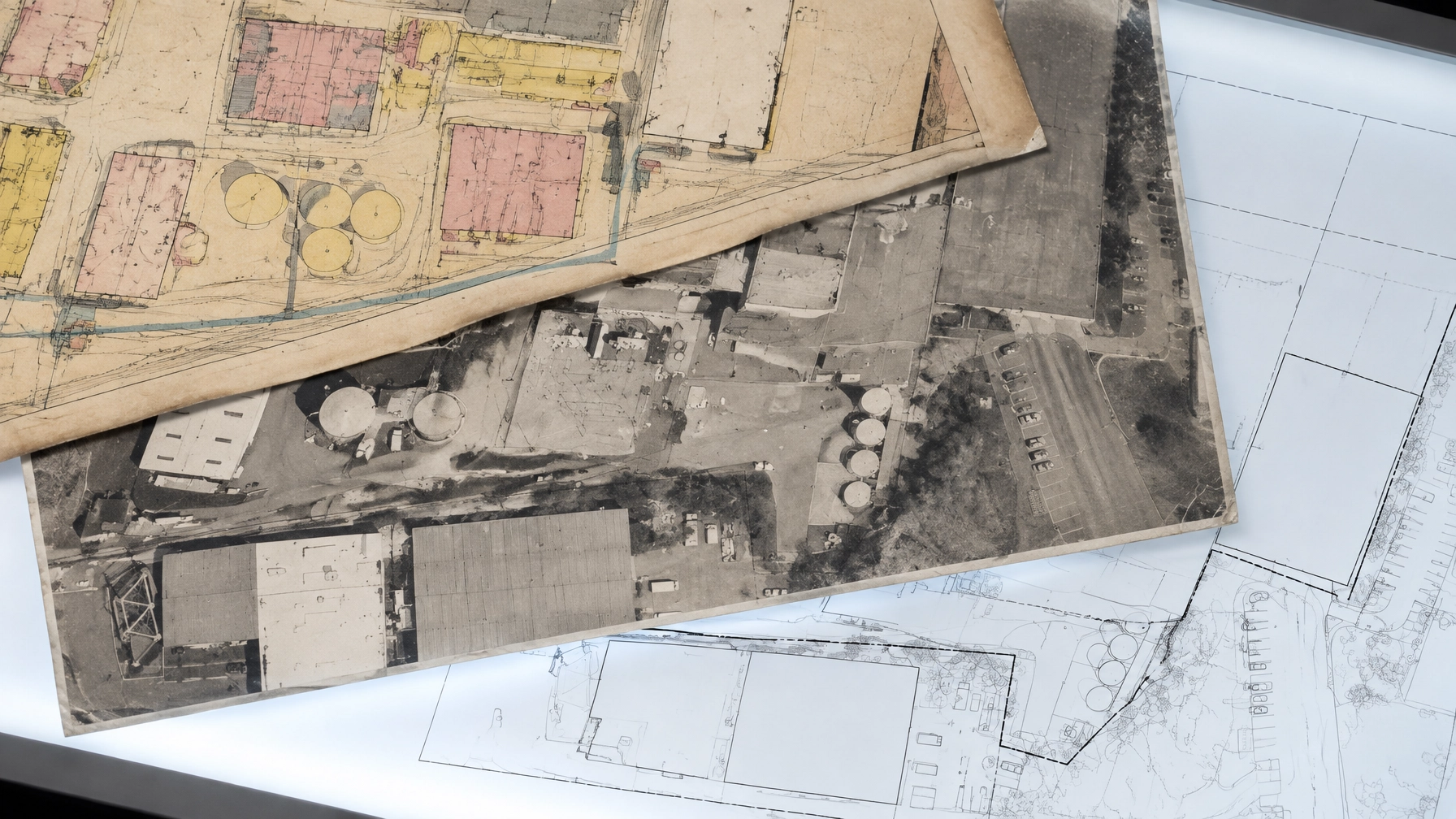
The hazardous-materials track begins with site investigation. Soil testing may identify contamination that requires a remedial action plan, commonly called a RAWP. OER must approve the plan before the relevant development work proceeds. The owner and project team then implement the approved remedy and document the results.
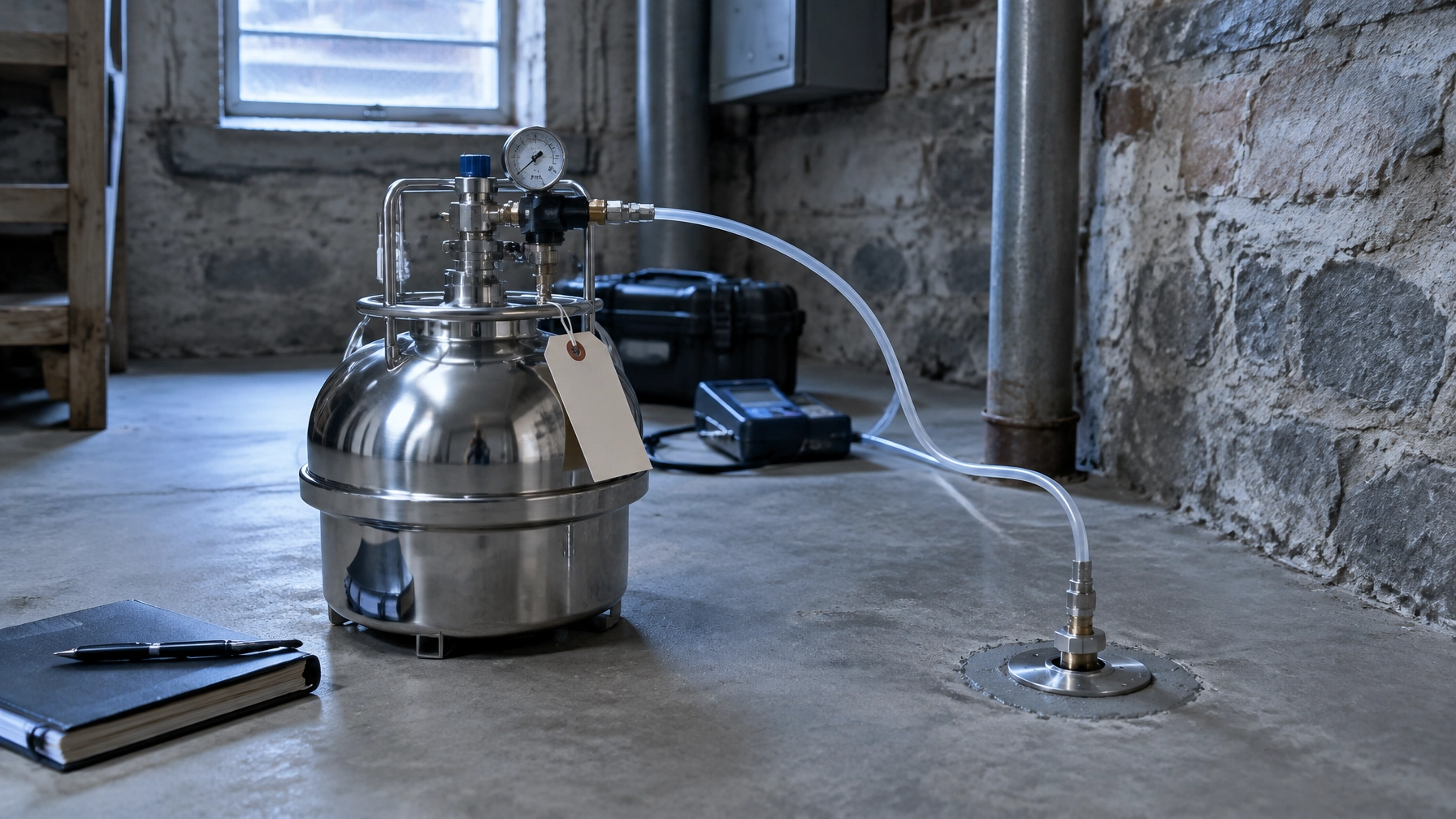
Depending on the site and approved approach, closeout documentation may include a remedial action completion or closure report, confirmation sampling results, disposal records, and documentation of any required controls. The report needs to show that work followed the approved plan and met the applicable cleanup requirements.
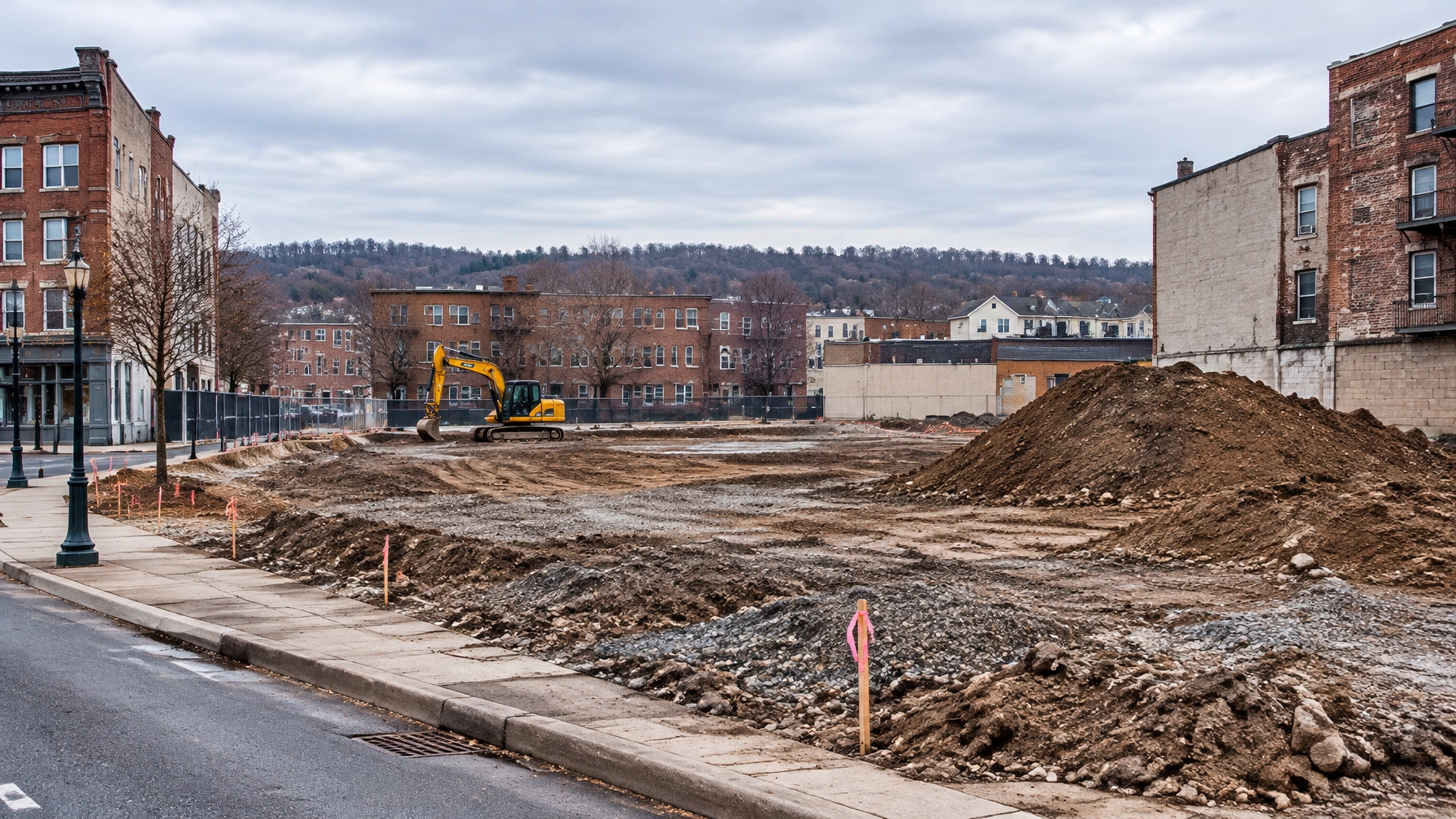
For example, a Long Island City redevelopment may involve excavation beneath a planned building footprint. The important closeout question is not just whether excavation happened. It is whether the final field records, sampling results, and reports demonstrate that the approved remedy was completed.

2. Air quality: verify the approved equipment and design
An air-quality designation can require specific building systems or design details. OER’s E-designation guidance gives examples such as limiting boiler fuel to natural gas or specifying the location of a boiler stack. The exact requirement comes from the designation and the approved remedial action plan.
Closeout typically depends on installing the approved design and submitting the required installation or completion documentation. If the equipment changed during construction, do not assume that a field substitution is automatically acceptable. Confirm whether OER needs revised plans, additional review, or updated records.
In a Flushing or Jamaica project, a mechanical design revision made late in construction can affect an air-quality signoff. Resolve that question before the final inspection sequence, not after DOB is waiting for the environmental notice.

3. Noise: show that the specified protection is installed
A noise designation can call for measures such as window or wall attenuation and an alternate means of ventilation. OER must approve the plan, and the approved measures must be installed and documented to its satisfaction before occupancy.
Coordinate the building envelope, window schedule, and ventilation design early. A product substitution or a change to the façade may affect whether the installed assembly matches the approved plan. Keep product records, installation details, and any required professional documentation together so the noise track can be reviewed as a closeout package.

Why one open track can hold up the CO
Think of the E-Designation closeout as a set of required signoffs, not one general environmental approval. If hazardous-materials documentation is complete but an air-quality installation report remains outstanding, OER may not be ready to issue the applicable NOS. The same is true if the noise measures have not been installed or adequately documented.
That does not mean every Queens property has the same requirements. It means the team must close every track that applies to the specific property. Separate designations can have separate evidence requirements, reviewers, and timing.
OER says the approved noise and air plans “must be implemented to the satisfaction of OER before occupancy is allowed.” Review OER’s E-Designation guidance.
A late missing report can trigger more than an administrative delay. It can disrupt DOB signoffs, tenant move-in, financing milestones, and construction closeout. Keep the OER path visible alongside the DOB schedule.
From plan approval to Notice of Satisfaction
A practical closeout sequence for a Queens project looks like this:
- Confirm the property’s requirements. Verify the E-Designation, affected tax lots, applicable tracks, and any recorded restrictive declaration. Do not rely on an old environmental report or a neighboring property’s file.
- Submit the project to OER. For applicable new buildings and conversions, use EPIC Environment. Confirm the required OER notice before DOB plan approval and construction steps.
- Obtain approval of the remedial action plans. Secure OER approval of the hazardous-materials RAWP and the applicable air-quality and noise plans before carrying out the work they govern.
- Implement and document each track. Keep field notes, sampling data, disposal documentation, equipment records, and installation evidence organized by requirement.
- Submit completion reports. Provide the remedial action completion or closure report and any required air-quality and noise installation reports. Address OER comments with clear supporting records.
- Obtain the Notice of Satisfaction. Once OER accepts the applicable closeout documentation, it can issue the NOS for DOB’s CO process.
A plan approval is not a completion finding. A Notice to Proceed is not an NOS. Keep the milestone names distinct in your schedule and owner updates.
Restrictive declarations: what may continue after construction
A restrictive declaration is recorded against the property and can bind current and future owners. Its obligations depend on the actual recorded document. Some declarations require the owner to complete testing or remediation during development. Others may preserve ongoing obligations, including maintenance, inspections, monitoring, or access related to environmental controls.
That distinction matters. An owner may be able to move through the CO process while continuing to meet recorded post-construction obligations. In other cases, achieving the cleanup conditions needed for formal E-designation removal may require a higher level of cleanup or specific development conditions.
OER’s guidance on removing E-Designations describes removal as dependent on completing the applicable remedies and meeting the criteria for removal. Do not treat an NOS as proof that every E-Designation or recorded restriction has disappeared. Review the declaration and the property’s status with the responsible agencies.
NYC OER E-designation removal is a separate closeout question
The phrase “NYC OER E-designation removal” can refer to more than one step. First, the project needs the applicable environmental requirements accepted and an NOS to support DOB’s CO process. Separately, the owner may seek formal removal of the designation where the site meets OER’s removal criteria.
Before describing a property as cleared, confirm:
- OER accepted the closeout documents for every applicable track.
- OER issued the relevant NOS.
- The recorded restrictive declaration does not impose continuing requirements that remain in effect.
- The E-Designation status for the affected lot has been updated through the required process.
The NYC OER Voluntary Cleanup Program (VCP) is a related OER program, but it is not a substitute label for every E-Designation closeout. Confirm which program and project record actually apply to your property.
Keep Queens closeout moving
Whether your site is in Astoria, Flushing, Jamaica, or Long Island City, start with the property-specific requirements and build the closeout schedule around the three tracks. Assign someone to own the OER submissions, field documentation, reviewer comments, and DOB handoff. Keep the team, owner, architect, and contractor working from the same status.
Envicon supports NYC E-Designation compliance, remediation planning, construction oversight, and regulator-facing closeout. We coordinate the technical work and the documentation so you can see what is complete, what remains open, and what OER needs next. Learn more about our Queens environmental services and our NYC environmental consulting hub.
The takeaway is simple: a CO does not move on a report title or a verbal update. It moves when each applicable track is complete, the evidence supports the approved plans, and OER issues the required notice. Clear ownership and complete documentation help turn a stalled closeout into a path forward.