
Title tag: Proposed NFA at Sperry Remington: What BCP Buyers Should Check
Meta description: NYSDEC’s proposed NFA for Sperry Remington is not a final Certificate of Completion. Learn what buyers should verify about controls, site obligations, and the NJ RAO comparison.
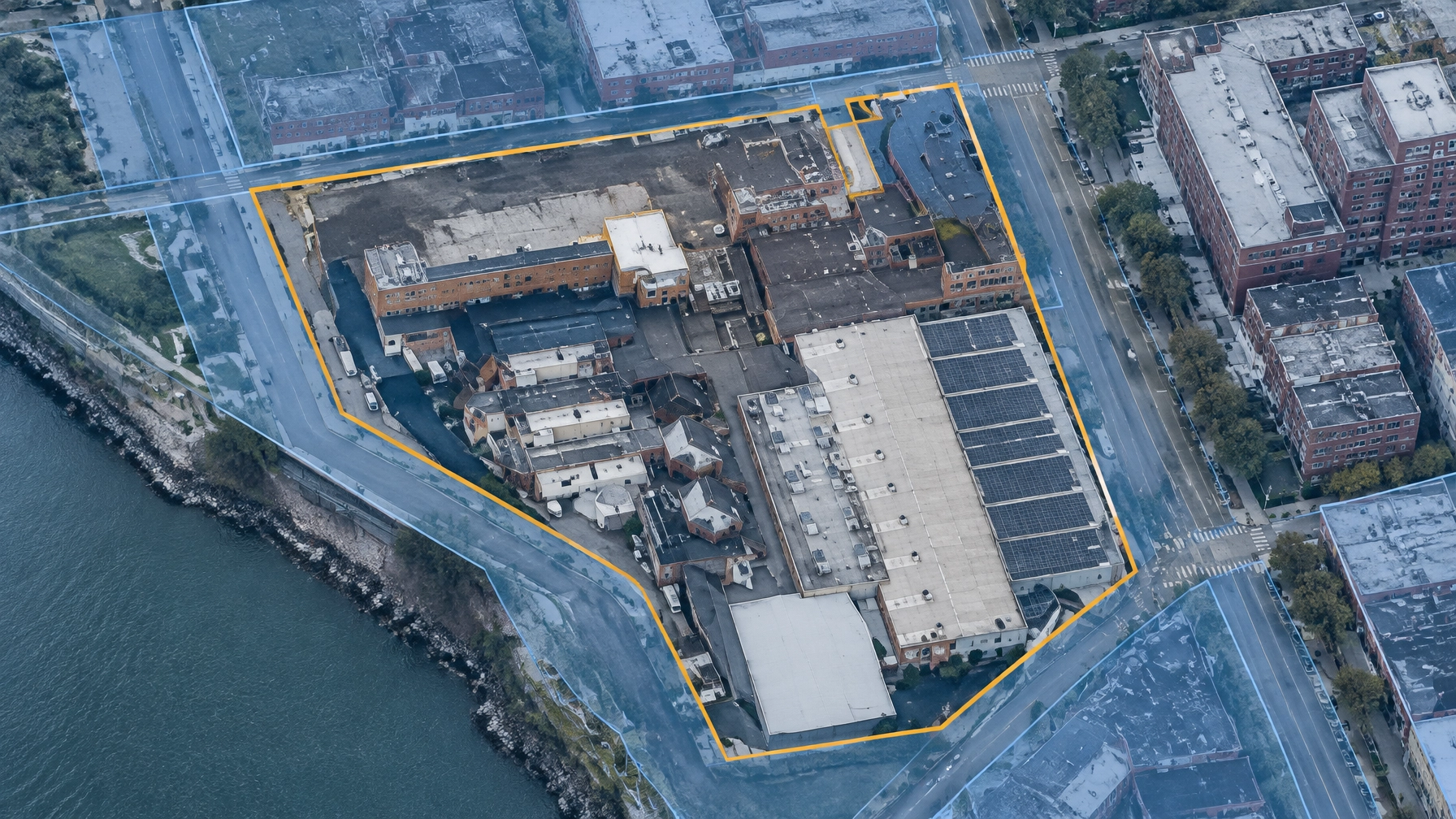
NYSDEC’s October 26, 2026 fact sheet proposes a No Further Action decision for the Former Sperry Remington Property North Portion, BCP site C808022. For buyers, the proposal is a signal to start checking the closeout record, not to assume the site is unrestricted or that a final certificate has issued.
The site is in Elmira, not Queens. The lessons apply across New York, including Queens transactions, and to developers comparing New York’s Brownfield Cleanup Program with New Jersey’s site remediation process. The proposal remains open to public comment through December 5, 2026, with a public availability session scheduled for November 16.
Read the NYSDEC fact sheet and confirm the exact site boundary and records before relying on the proposal in your underwriting.
Proposed NFA is a milestone, not final closure
In the BCP, a proposed NFA means DEC is considering a determination that the completed cleanup meets the applicable requirements for the site. It does not mean the proposal is already final. DEC must consider public comments, complete its review, and decide whether to approve the final remedial documents. If DEC approves the final engineering report, it can issue a Certificate of Completion (COC).
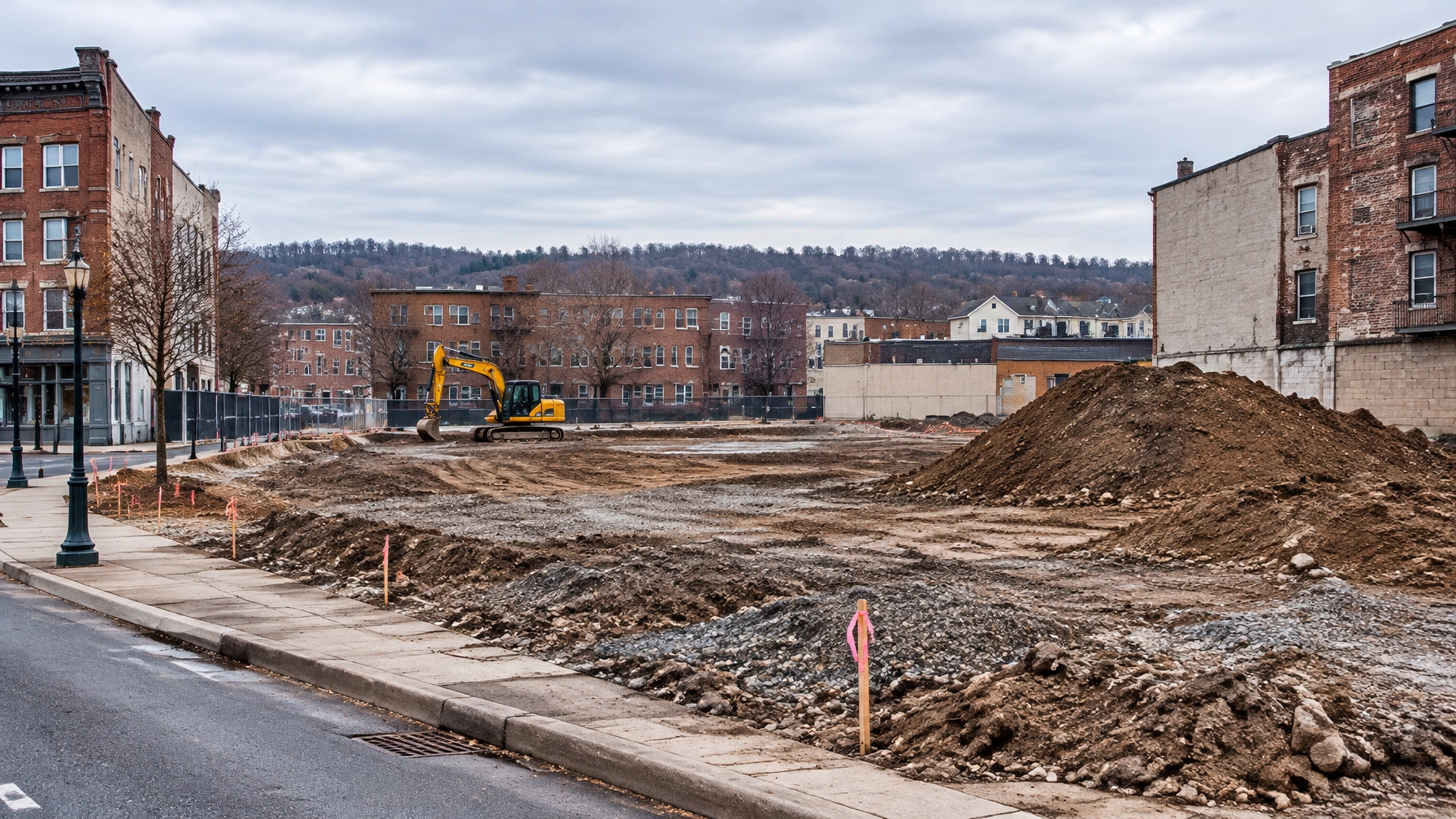
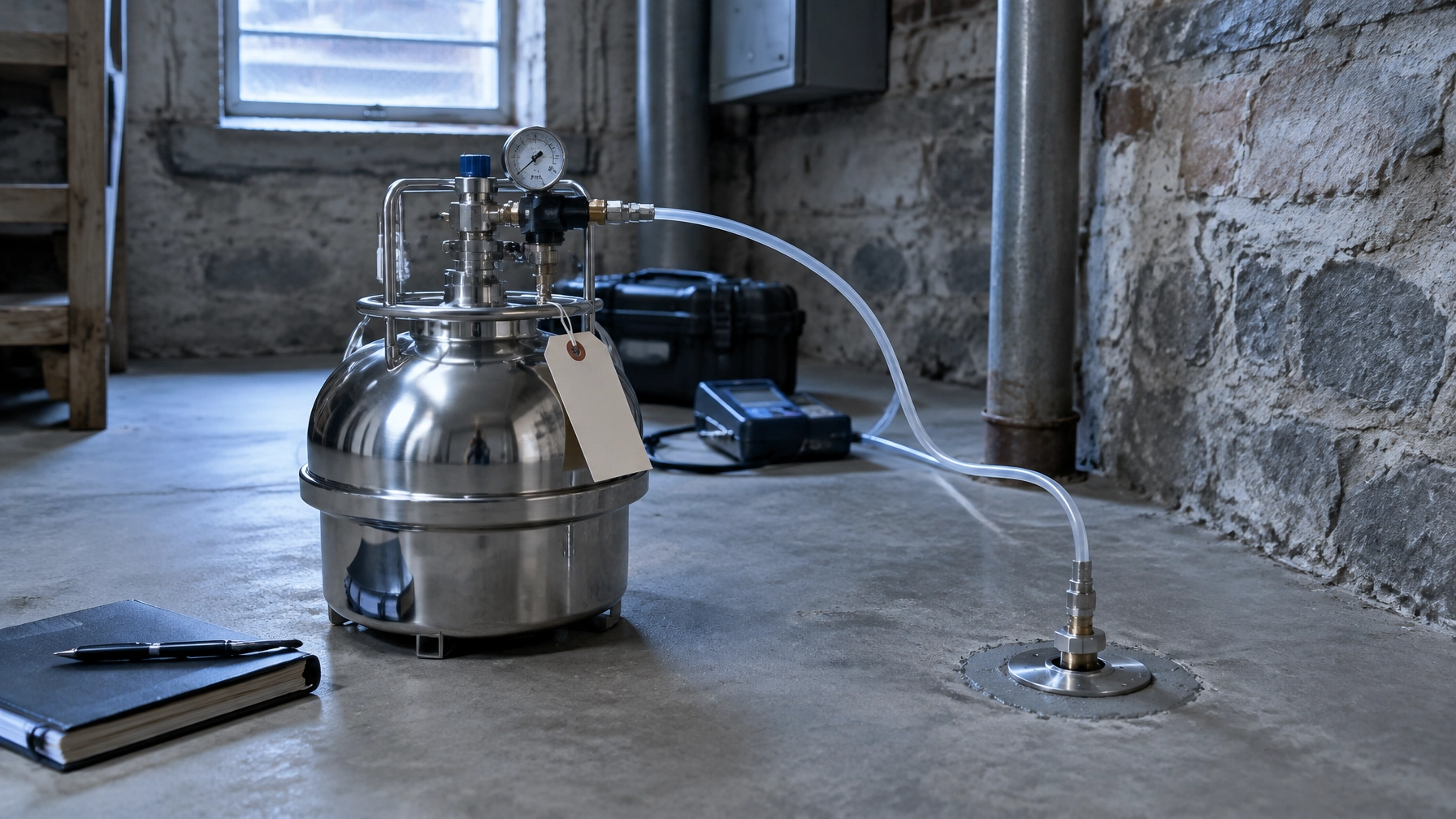
The Sperry Remington fact sheet describes interim remedial measures completed between 2017 and 2024. Work included excavation and off-site disposal of soil, clean backfill, sub-slab depressurization systems and a site cover. The fact sheet also describes sampling to confirm cleanup results. It states that impacts remaining below the two-foot cover would be managed under a Site Management Plan (SMP).
That last point matters. A proposed NFA can coexist with contamination remaining in place, provided the approved remedy and controls protect people and the environment. It is not the same as unrestricted use.
For a buyer, separate three milestones:
- Proposed NFA: DEC is considering the recommendation. Comments or agency review may still affect the final decision.
- Final decision and COC: DEC has approved the applicable closeout documents and issued the certificate.
- Ongoing obligations: Controls, inspections, reporting, maintenance or use limits may continue after the certificate.
The certificate and its supporting documents set the terms. A headline or fact sheet cannot replace them.
What buyers should verify before underwriting post-NFA value
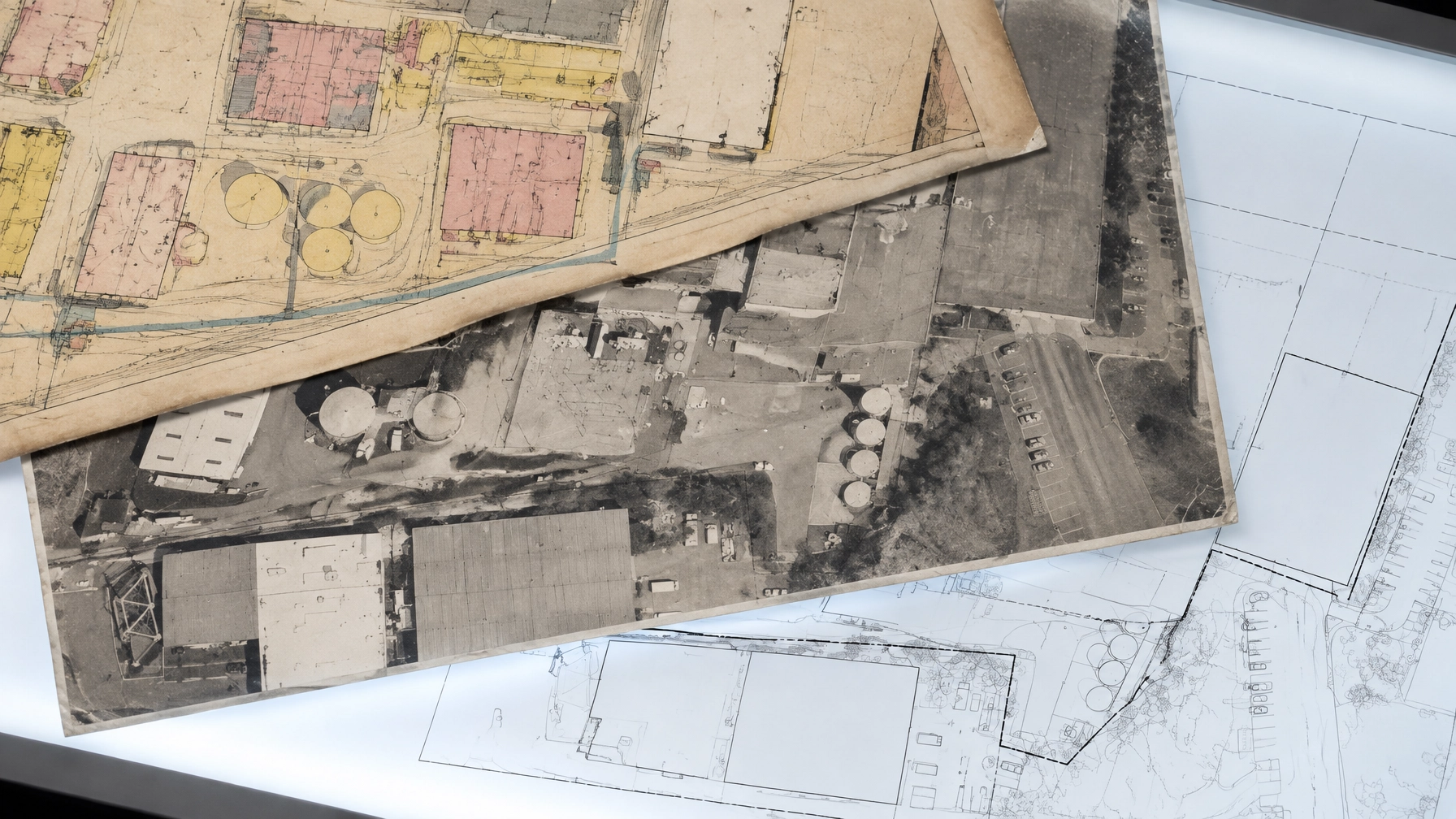
Ask for the complete DEC file, not only the fact sheet. Review the proposed and final remedial documents, the COC when issued, the SMP, and any recorded environmental easement. NYSDEC explains that projects relying on institutional or engineering controls may require an environmental easement and continued site management. Review NYSDEC’s guidance on easements and Certificates of Completion.

Check these items against the purchase plan and proposed use:
- Institutional controls: Do recorded restrictions limit residential use, groundwater use, excavation, or other activities?
- Engineering controls: Does the remedy rely on a cover, vapor system, or other physical barrier? What maintenance and inspection does it require?
- Environmental easement: Is one recorded, and does it identify the restrictions and required site-management activities?
- SMP obligations: Who inspects, maintains, monitors, certifies, and reports? What are the frequency and cost?
- Development compatibility: Would your grading, utility work, foundation design, or planned excavation disturb the remedy?
- Financial and operational responsibility: Who pays for continued maintenance and manages agency reporting after closing?
Map the controls against the actual parcel and planned improvements. A site cover can affect utility trenching. A vapor system can affect building layout and operations. Those are design and budget questions, not just legal diligence.
For Queens projects, also check whether the parcel has a separate NYC E-Designation. A BCP COC does not automatically resolve separate OER requirements tied to a zoning action. The parcel’s applicable designation and OER closeout documents control. Envicon’s Queens environmental consulting team works with site investigations and agency requirements in the borough.
NFA in New York and RAO in New Jersey are not interchangeable
Developers working both sides of the Hudson often compare a New York BCP COC with a New Jersey Response Action Outcome (RAO). Both can document a regulatory endpoint, but they come from different processes and can leave different obligations in place.
In New York, DEC issues a BCP COC after its review and approval of final remedial documentation. If the remedy depends on controls, the COC and related records can carry continuing requirements. The project team must review those terms before treating the property as ready for a particular use.
In New Jersey, a Licensed Site Remediation Professional (LSRP) issues the RAO that matches the completed remediation and applicable conditions. The NJDEP RAO guidance distinguishes unrestricted use from limited restricted use and restricted use. Where controls remain, the property may require a Remedial Action Permit (RAP), a deed notice, engineering controls, monitoring, or ongoing certification.
So do not treat “NFA” and “RAO” as equivalent labels. Confirm who issued the closure document, what contamination remains, whether controls apply, and what the owner must do next. This is core environmental due diligence for developers in NJ as well as New York. If a New Jersey brownfield redevelopment involves a restricted-use RAO, price the ongoing permit and control obligations into the deal rather than assuming closure means no further work.
Public comment is a practical diligence opportunity
A public comment period is one of the last low-cost opportunities to flag a question before DEC makes its final decision. The Sperry Remington fact sheet gives a comment deadline of December 5, 2026, and announces an availability session on November 16. Confirm session details and comment instructions in the NYSDEC fact sheet. DEC also outlines its public comment process for Brownfield Cleanup Program applications.
For a buyer or neighboring owner, use the session and comment period to ask focused questions. What conditions remain below the cover? How does the SMP address future construction? Are the proposed controls consistent with the intended use? A clear question raised now may prevent a costly surprise after closing or mobilization.

Buyer checklist when you see an NFA fact sheet
Before you set value or commit to a schedule, confirm:
- The fact sheet matches the exact site, parcel, and BCP site number you are evaluating.
- The proposal is not being mistaken for a final DEC decision or issued COC.
- The comment deadline, availability session, and current status are confirmed with DEC.
- The full remedial investigation, work plan, construction completion, and final engineering reports are available and reviewed.
- Remaining contamination and its location are understood, including conditions beneath any cover.
- The SMP, environmental easement, and institutional and engineering controls are obtained and mapped.
- The obligations fit the intended use, construction plan, lender requirements, and ownership budget.
- Any separate NYC E-Designation or New Jersey RAO/RAP obligations are reviewed through their own regulatory records.
A Phase I or Phase II ESA should answer the transaction’s actual questions, not simply repeat the fact sheet. Targeted site investigation can help confirm where controls apply and whether planned work could affect them. Envicon provides Phase II ESA and site investigation services for buyers who need findings translated into practical next steps.
Frequently asked questions
Does a proposed NFA mean the site is clean?
No. It means DEC is considering a no-further-action determination under the proposed remedy. The Sperry Remington fact sheet describes contamination managed below a site cover through an SMP. Review the final documents and controls to understand the conditions that remain.
Is the Sperry Remington proposal a final Certificate of Completion?
No. The fact sheet describes a proposal. DEC must review comments and final remedial documents before it can issue a COC.
What is the difference between a New York COC and a New Jersey RAO?
DEC issues a BCP COC in New York after approving the applicable final remedial documentation. In New Jersey, an LSRP issues an RAO for the completed remediation. Either process may leave obligations where controls or permits remain. Review the specific certificate and associated records.
Does a BCP COC remove an NYC E-Designation?
Not automatically. An E-Designation has its own OER requirements and closeout process. Check the property’s designation and OER records separately.
What should a buyer request before closing?
Request the complete agency file, issued closure documents if available, SMP, recorded easements or deed notices, permit records, control inspection and certification history, and a site plan showing control locations. Have the documents compared with the proposed use and construction scope.
The takeaway
A proposed NFA can change a site’s risk profile, but it does not eliminate diligence. Verify what DEC has approved, what remains in place, and what the next owner must maintain. In Queens, Newark, Monmouth County, and across the NY/NJ region, the right question is not just whether a site has a certificate. It is whether the certificate and its ongoing obligations fit your project.