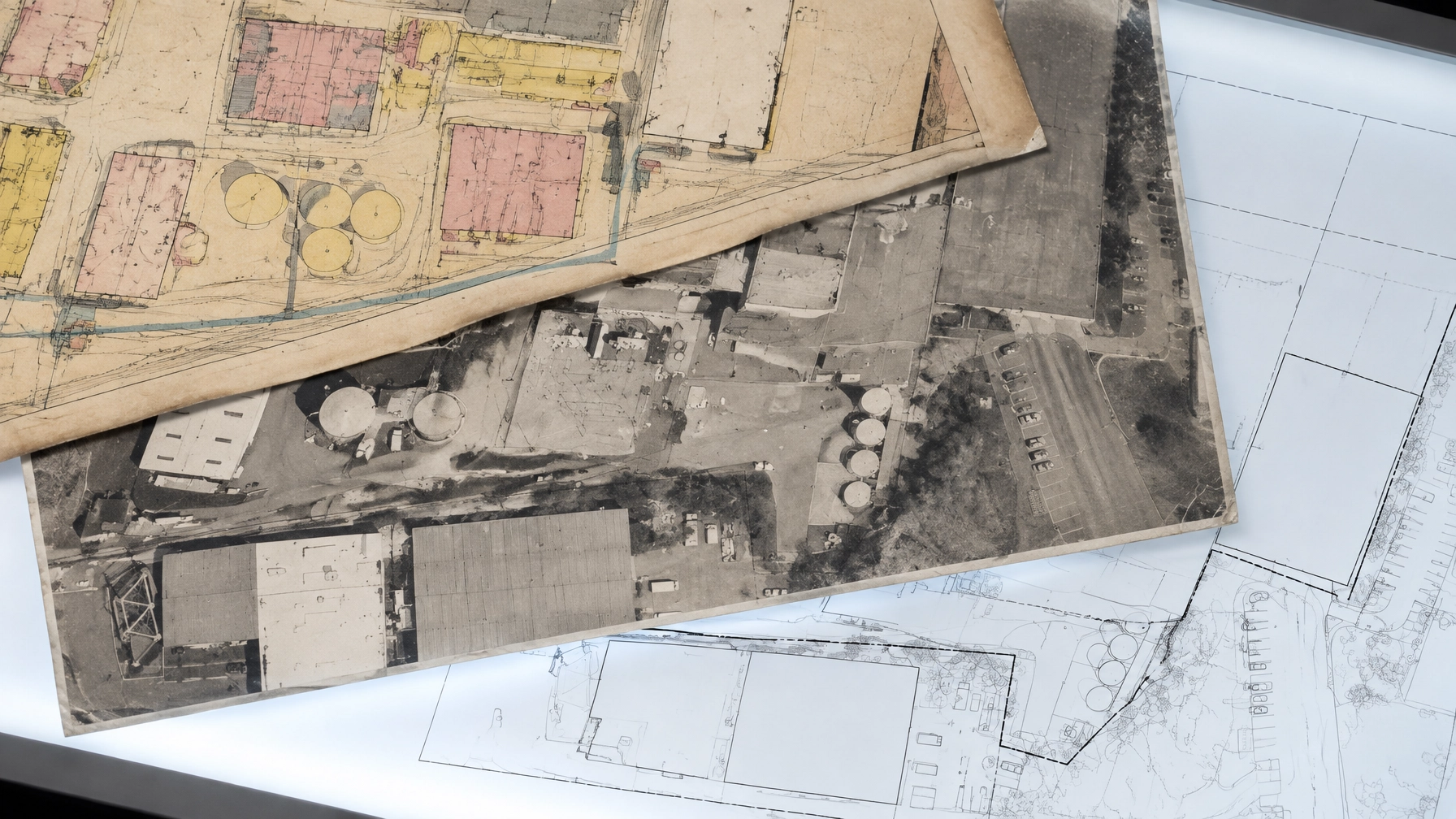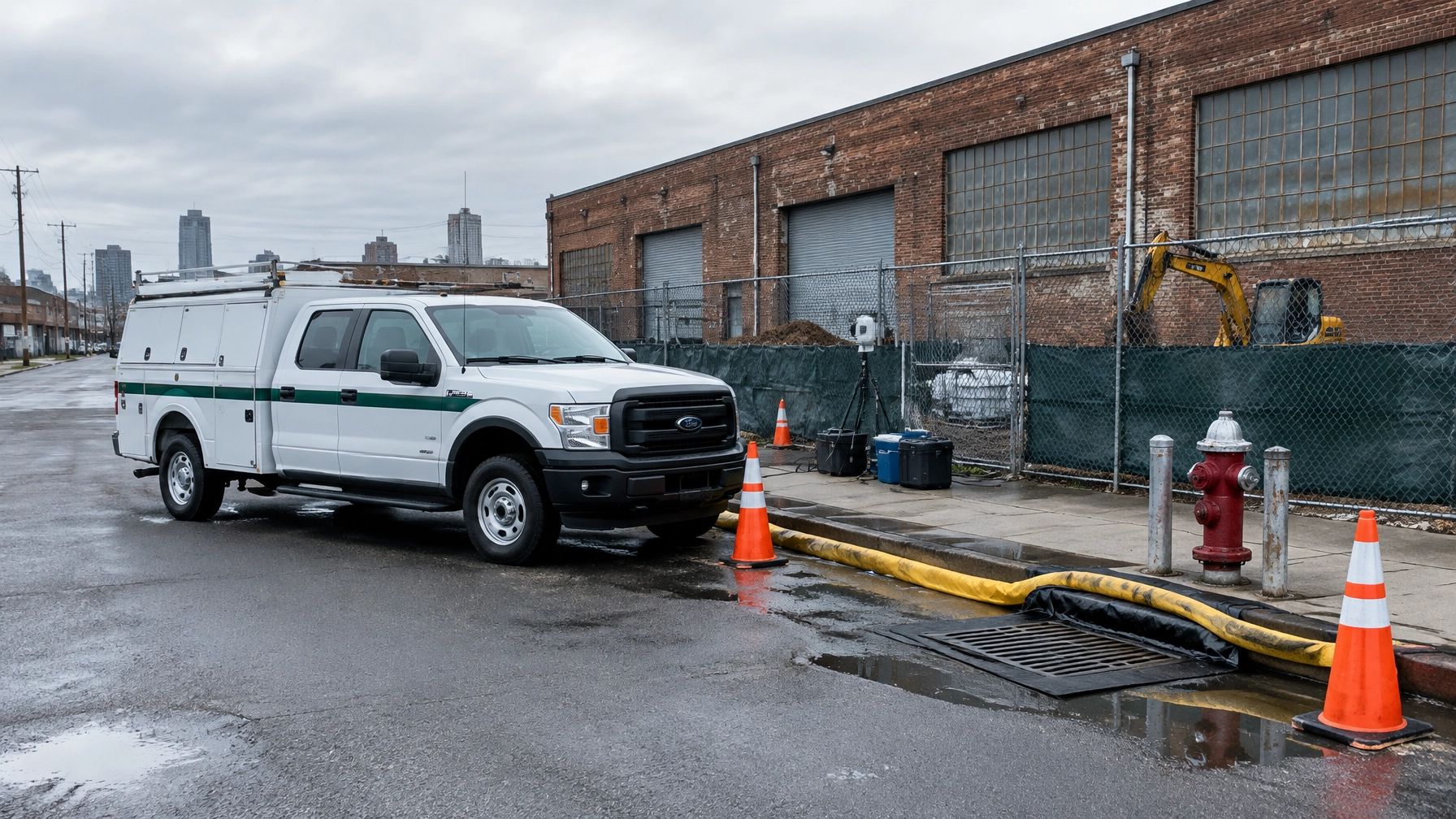
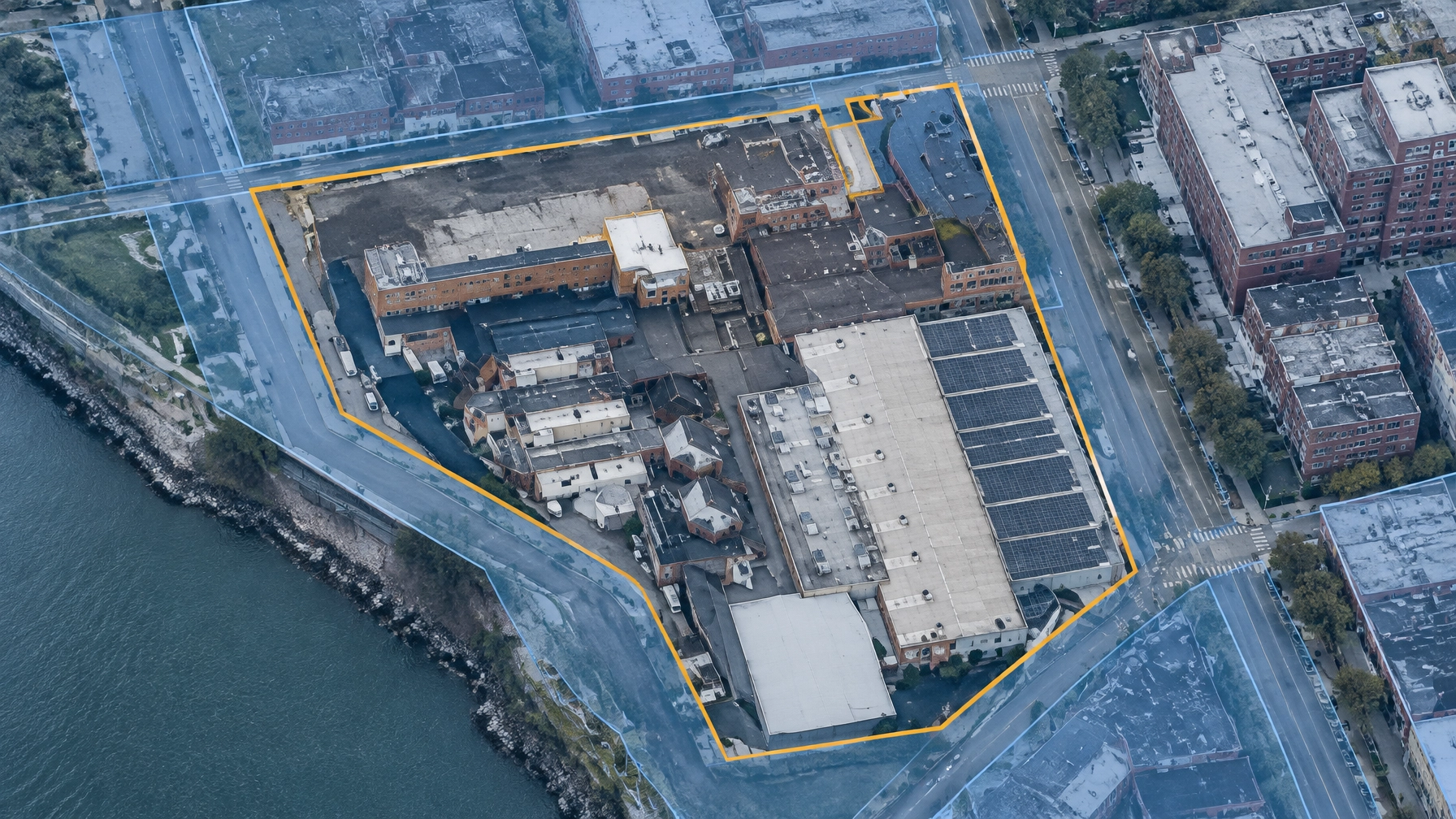
For a Queens or Brooklyn parcel with a proposed zoning map amendment, an E-designation can shape the path to a building permit, remediation, and occupancy. The governing OER framework sits in Title 43, Chapter 14 of the Rules of the City of New York. Its consolidated text is marked current through October 16, 2026. That date is a code-currency marker, not a newly announced E-designation deadline. The NYC Rules portal separately lists ELURP and AHAB rules with an effective date of November 14, 2026. Those are different processes. (Consolidated Title 43, Chapter 14 text; NYC adopted-rules index)
For project teams, the practical question is not just what the rule says. It’s whether the environmental review, filing package, design, and field work are sequenced so OER does not become the last unresolved item before construction or occupancy.
What Title 43, Chapter 14 covers
Chapter 14 includes separate OER programs. Subchapter 1 sets out the City Voluntary Cleanup Program (VCP). Subchapter 7 governs the (E) Designation and Environmental Restrictive Declaration program. The consolidated text includes requirements for investigation, remedial plans, agency review, construction implementation, closure documentation, and removal of E-designation requirements.
An E-designation is a zoning notation associated with a zoning action. It flags environmental requirements that must be addressed before certain redevelopment permits or occupancy approvals. OER administers requirements related to hazardous materials, air, and noise. A restrictive declaration is a recorded document that binds current and future owners to specified environmental requirements. These are related, but not interchangeable, controls. (NYC OER E-designation overview)
For hazardous materials, the rule generally requires a Phase II Environmental Site Assessment before DOB can issue a building permit for covered development. The applicant must submit an OER-reviewed work plan, implement the approved investigation, and report the findings. If OER determines remediation is required, the project moves to a Remedial Action Plan (RAP) and site-specific Construction Health and Safety Plan (CHASP). The rules also set out procedures for air and noise E-designations.
Title 43 also governs a separate VCP path. OER’s enrollment guidance lists a Remedial Investigation Report (RIR), Remedial Action Work Plan (RAWP), VCP application, VCP agreement, and a $1,000 enrollment fee. OER develops the RIR and RAWP with the project team. The program also requires public participation and site document access. (OER VCP enrollment guidance; VCP rules, Title 43, Chapter 14, Subchapter 1)

NYC OER E-designation lifecycle: from zoning action to closure
The lifecycle starts before the building permit application. During the zoning map amendment and environmental review, the City may place an E-designation on one or more tax lots to address potential hazardous materials, air, or noise impacts. Confirm the affected block and lot, the specific E-designation type, any related restrictive declaration, and the exact requirements in the environmental determination.
Then match the proposed work to the appropriate OER process:
- Confirm applicability and filing route. New buildings, certain conversions, and other covered development may require an OER review. Some minor alterations may qualify for a Notice of No Objection (NNO). OER identifies EPIC Environment as the online filing portal for both new development projects and NNO applications. (OER new-project and NNO instructions)
- Submit the investigation package. For a hazardous-materials designation, prepare the Phase II work plan with site history, proposed development plans, sampling locations, methods, and safety information. OER may accept evidence that a new Phase II is not needed, but that determination belongs to OER.
- Resolve findings before design is locked. If results require remediation, prepare the RAP and CHASP and align them with the excavation, foundation, utility, and construction plans. OER approval of the RAP leads to a Notice to Proceed (NTP) for the remediation work. The NTP is not a substitute for final environmental sign-off.
- Document field implementation. Carry out the approved plan as written. Coordinate OER-required notice, environmental monitoring, field oversight, waste handling, and any required inspections. Changes to the design or remedy can prompt a revised submission.
- Close out the file. Submit the required closure documentation. OER’s Notice of Satisfaction (NOS) can authorize DOB to issue a temporary or final certificate of occupancy, subject to the applicable program requirements. Final removal of E-designation requirements is a separate step. Under the rule, DCP removes the affected tax lot from the zoning list after OER issues the required final notice of satisfaction. A site that retains controls may still have ongoing obligations.
The rule gives OER review timeframes for particular submissions, including an effort to provide initial written comments within 30 days. That is not a guaranteed end-to-end project schedule. Incomplete packages, revisions, site conditions, and coordination with design and construction can extend the review. The OER E-designation service page describes how investigation, permitting coordination, and field oversight fit together.
EPIC and ELURP: two tracks, one project schedule
EPIC is OER’s filing and project-management portal. The project must be fully submitted there. OER’s instructions make clear that saving an application is not the same as submitting it. A new project submission includes the site’s block and lot, E-designation or restrictive declaration information, proposed development, and prior reports. (EPIC project submission instructions)
ELURP is different. The adopted City Planning Commission and Department of City Planning rules establish a 90-day public review process for qualifying land-use applications. Community Board and Borough President review run concurrently, followed by a City Planning Commission review period. The new rules take effect November 14, 2026. Eligibility is limited, and the 90-day period is not the full time required to prepare and certify an application. (Adopted ELURP and AHAB rule)
A faster land-use review does not clear an E-designation. OER’s review still governs its own environmental requirements. If the development schedule assumes rezoning approval automatically satisfies the environmental conditions for a permit, the OER track can become the critical path.

Newark is not an E-designation market
A Newark site does not receive an NYC E-designation. New Jersey has different tools, agencies, and legal triggers. The closest practical comparison depends on the property and transaction.
ISRA may apply to a qualifying industrial establishment when a triggering event occurs, such as a covered sale or cessation of operations. Applicability depends on the establishment’s business classification and other regulatory criteria. Where ISRA applies, NJDEP requires a General Information Notice within five days of the triggering event and remediation under the New Jersey rules, generally with an LSRP. The process may lead to a Response Action Outcome (RAO), or a permitted alternate compliance route where available. (NJDEP ISRA applicability guidance)
When soil contamination remains above applicable standards, New Jersey may require a Soil Remedial Action Permit, usually supported by a deed notice or an allowed notice in lieu. The permit can require maintenance, monitoring, and financial assurance for engineering controls. Those obligations do not function like the NYC OER E-designation process. (NJDEP Soil RAP guidance)
NJEDA’s Brownfields Redevelopment Incentive is a separate project-financing and tax-credit layer. It does not replace NJDEP remediation or LSRP obligations. NJEDA currently notes that the program is not accepting applications while updated rules are developed, so verify its status before underwriting a project. (NJEDA program page)
For a Newark project, local NJDEP and LSRP experience matters. For work elsewhere in the region, see Envicon’s services in Queens and Monmouth County. One firm may work across both states, but the compliance path must be built for the jurisdiction in front of you.
Practical sequencing checklist
Before committing to a construction start or closing date, confirm:
- The current zoning, block and lot, E-designation or restrictive declaration, and CEQR requirements.
- Whether the proposed work needs an OER new-project filing, NNO, or another review.
- Whether prior environmental reports and data meet OER’s needs, or a new Phase II work plan is required.
- Whether the remedy needs a RAP and CHASP, and whether excavation, utility, and foundation plans match that scope.
- Who owns the EPIC submission, reviewer comments, field notices, monitoring records, and closeout documents.
- Whether VCP enrollment is appropriate and whether the team has prepared its public-participation materials.
- In New Jersey, whether ISRA applies, what event triggers notice, whether deed notice or Soil RAP obligations remain, and whether NJEDA incentives are actually available.
The root cause of avoidable delay is often a handoff: one consultant prepares the report, another manages the portal, and the construction team discovers the field requirements after mobilization. We coordinate regulatory compliance and permitting with construction oversight and environmental monitoring so the approved plan, the site work, and the closeout record stay aligned. Collaboration is not a buzzword. It is how projects move.
FAQ
Does the October 16, 2026 date mean the E-designation rules changed that day?
Not necessarily. The consolidated code text is marked current through October 16, 2026. The NYC adopted-rules page separately identifies ELURP and AHAB rules effective November 14, 2026. Check the rule history and the City Record before treating a code-currency date as a new OER requirement.
What is the difference between an NNO and a Notice of Satisfaction?
An NNO is typically used for certain minor alterations that do not trigger a full OER environmental review. A Notice of Satisfaction documents completion of applicable requirements and can authorize DOB occupancy approval. The correct notice depends on the scope and OER’s determination.
Does a Notice of Satisfaction automatically remove the E-designation?
No. OER issues the relevant notice after reviewing the required work. Final removal involves DCP’s administrative update to the zoning list, subject to the rule and applicable lot requirements. A site with ongoing controls may continue to have long-term obligations.
Does ELURP replace OER review for a rezoning?
No. ELURP concerns qualifying land-use review. OER separately reviews the environmental obligations associated with an E-designation or restrictive declaration. A shorter public review period does not waive those requirements.
Is a New Jersey Soil RAP the same as an NYC E-designation?
No. A Soil RAP is a NJDEP permit for managing residual contamination and related controls. An NYC E-designation is a zoning notation administered through OER. They may both affect redevelopment, but they arise under different rules and require different filings.
Keep the environmental track moving
If your NYC or New Jersey project has a zoning condition, open agency item, or construction milestone approaching, get the regulatory sequence in front of the project team early. Envicon Group works directly with owners, attorneys, architects, contractors, and reviewers to move from findings to an actionable path.