As of June 12, 2026, the regulatory landscape for New York real estate development has fundamentally shifted. If you are a developer, property investor, or attorney operating in the five boroughs or upstate, the acronym DACAT is no longer a footnote: it is now a critical milestone in your project’s lifecycle.
The New York State Department of Environmental Conservation (NYSDEC) has officially launched the Disadvantaged Community Assessment Tool (DACAT). This isn't just another mapping layer; it is a mandatory screening resource under the revised State Environmental Quality Review Act (SEQRA) regulations (6 NYCRR Part 617).
At Envicon Group, we have been tracking the rollout of the Environmental Justice Siting Law (EJSL) since its inception. We know that for our clients, "compliance" isn't the goal: progress is. Here is what you need to know about DACAT and how to ensure it doesn't become the roadblock that stalls your next closing.
What is DACAT?
The Disadvantaged Community Assessment Tool is the operational arm of New York’s commitment to environmental justice. Built on data from the Climate Justice Working Group (CJWG), DACAT is designed to identify "disadvantaged communities" (DACs) that bear a disproportionate burden of negative public health effects, environmental pollution, and climate change impacts.
The tool categorizes census tracts based on existing environmental stressors and socioeconomic vulnerabilities. In the June 2026 SEQRA framework, applicants must now use DACAT to answer specific questions on both Short and Full Environmental Assessment Forms (EAFs).
Key Screening Criteria:
- Location: Is the project located within a DAC?
- Proximity: Is the project within a half-mile radius of a DAC?
- Impact: Will the project increase "pollution burdens" (such as air emissions, noise, or waste) on these communities?

Why Early Screening is Non-Negotiable
In the "old" days of SEQRA, environmental justice was often a late-stage consideration. In 2026, waiting until your EAF is drafted to run a DACAT screen is a recipe for a project-killing delay.
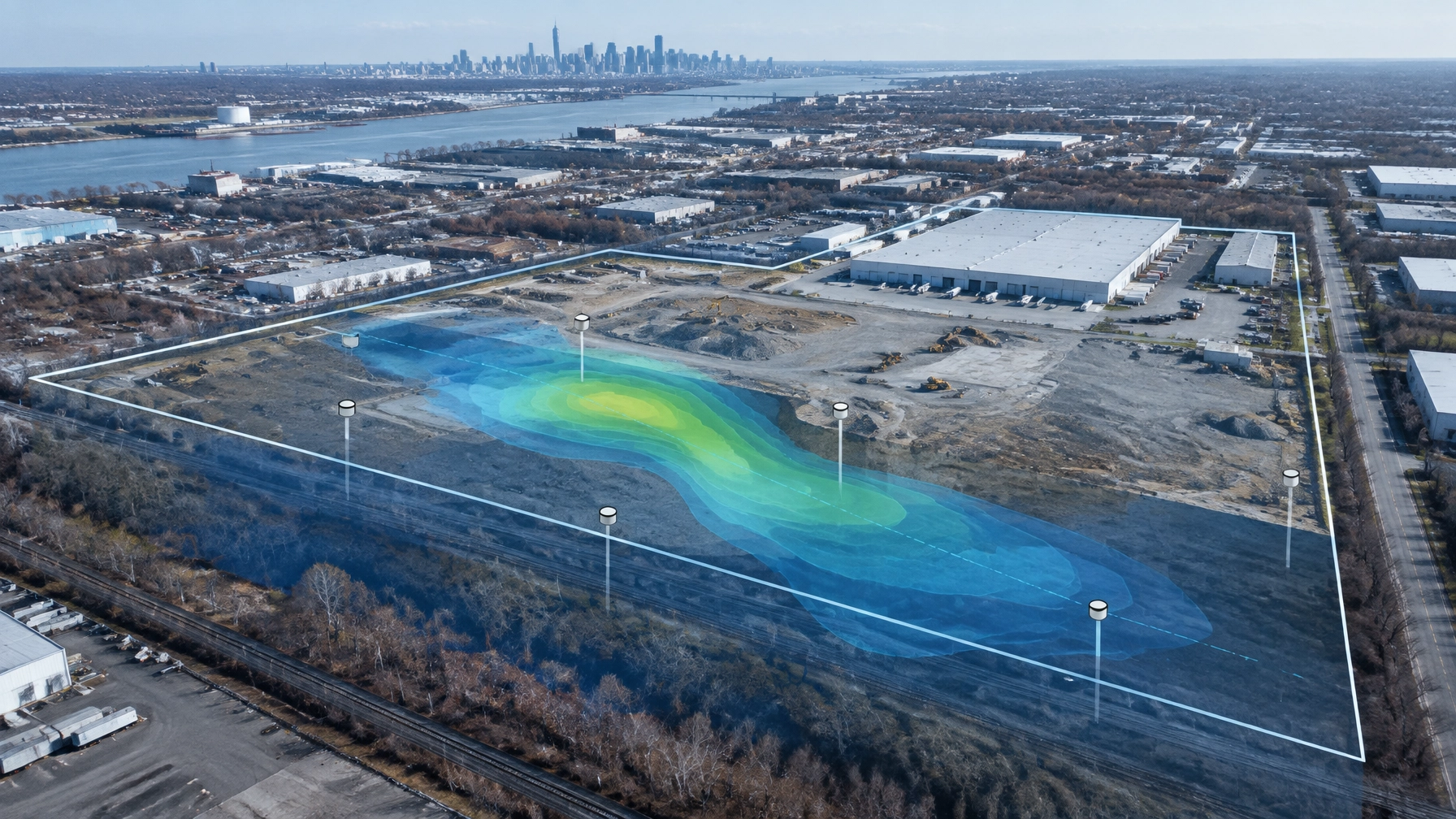
If DACAT flags your site as being in or near a "comparatively higher burden" area (often highlighted in orange or yellow on the DEC’s interface), the lead agency is now empowered: and often required: to demand a more detailed Environmental Justice (EJ) analysis.
Every week of delay in identifying these triggers means increased carrying costs and potential friction with lenders who are increasingly sensitive to EJ risks. National "big-box" firms might hand you a DACAT report weeks after your request. At Envicon, we believe in speed and precision. We integrate this screening into the first 48 hours of our due diligence process.
"We don’t sell reports. We sell cleared paths. If a site has an EJ hurdle, you need to know it before the ink is dry on the purchase agreement, not six months into the permitting process." : Jason Pancoast, CEO of Envicon Group.
The Envicon Difference: Proprietary Tech Meets Local Fluency
Most consultants are using the public DACAT tool as a standalone checkbox. They hand you a map and leave you to figure out what it means for your site plan.
Envicon Group takes a different approach. We have built a proprietary project management infrastructure that integrates DACAT data with our internal site-civil and remediation databases.
When we run a screen, we aren't just looking at the DEC’s map. We are looking at:
- Historical Site Data: How do the specific contaminants on your site interact with the "burden" factors identified by DACAT?
- Regulatory Sentiment: We sit at the table with NYC OER and NYSDEC daily. We know which reviewers prioritize specific EJ metrics and how to frame your remedial design to mitigate those concerns early.
- Real-Time Dashboards: Our clients get visibility into these risks through custom dashboards. You can see the EJ status, schedule impacts, and budget requirements in real-time: not in a monthly PDF that’s already outdated.

Integrating DACAT into the SEQRA Process
Under the new rules effective June 12, 2026, the DACAT output informs the "Significance Determination." If the tool indicates your project may have a moderate to large impact on a DAC, the likelihood of being required to produce a full Environmental Impact Statement (EIS) increases significantly.
Strategic Takeaways for Developers:
- Site Selection: Use DACAT during the LOI phase. If a site is in a high-burden DAC, factor in the costs and time for community outreach and enhanced mitigation.
- Design for Mitigation: If your project involves significant soil disturbance or heavy equipment use, build your Stormwater Pollution Prevention Plans (SWPPP) and air monitoring protocols with the DACAT results in mind. Proactive mitigation is cheaper than reactive legal defense.
- Community Alignment: Collaboration isn't a buzzword; it's a permit strategy. Engaging with DAC stakeholders early: guided by DACAT’s socioeconomic data: can turn potential opponents into project partners.
Don't Let a Tool Stop Your Project
The DACAT tool is a powerful new variable in New York development. While large national firms might apply a cookie-cutter playbook to your NYC or NJ project, Envicon brings 20 years of direct agency relationships and field-first expertise.
We understand that you are working against real deadlines: closings, permits, and construction starts. We don’t just provide a report; we provide the technical and regulatory path to get your site buildable and compliant.

Summary Checklist for June 2026:
- Verify DAC status: Every new project must be screened using the official DACAT tool.
- Check the 0.5-mile radius: Impact is no longer confined to your property line.
- Update EAFs: Ensure you are using the revised forms (Part 617 amendments).
- Partner with experts: Hire a firm that knows the reviewer by name, not just the regulation by number.
Ready to screen your next site?
Navigating the new NYSDEC requirements doesn't have to be a "black box" experience. Whether you're dealing with a complex brownfield or a time-sensitive transaction, our team is ready to move your project forward.
- Book a free consultation: https://envicongroup.com/contact
- Use our Cost Estimator Tool: https://envicongroup.com/cost-estimator?utm_source=website&utm_medium=nav_megamenu&utm_campaign=resources&utm_content=cost-estimator
- Run a quick Risk Screener: https://envicongroup.com/risk-screener?utm_source=website&utm_medium=nav_megamenu&utm_campaign=resources&utm_content=risk-screener