For most Brooklyn commercial property transactions in 2026, the planning range for a standard Phase I Environmental Site Assessment is $2,200 to $4,500. A rush Phase I ESA typically falls between $3,000 and $5,500.
Those are planning ranges, not guaranteed quotes. The final fee depends on the property’s history, size, access, records, lender requirements, and delivery date. A former manufacturing building in Sunset Park will not price the same as a small office property in Downtown Brooklyn. A warehouse conversion near Gowanus may require more review than a newer commercial building in DUMBO.
The right question is not only, “What does a Phase I ESA cost in Brooklyn, NY?”
It is, “What level of due diligence will protect this transaction and keep the closing on schedule?”
What a Phase I ESA covers in Brooklyn
A Phase I Environmental Site Assessment Brooklyn commercial buyers can use for acquisition or financing should follow ASTM E1527-21 and the federal All Appropriate Inquiries, or AAI, requirements under 40 CFR Part 312.
The core scope typically includes:
- Review of federal, state, and local environmental databases
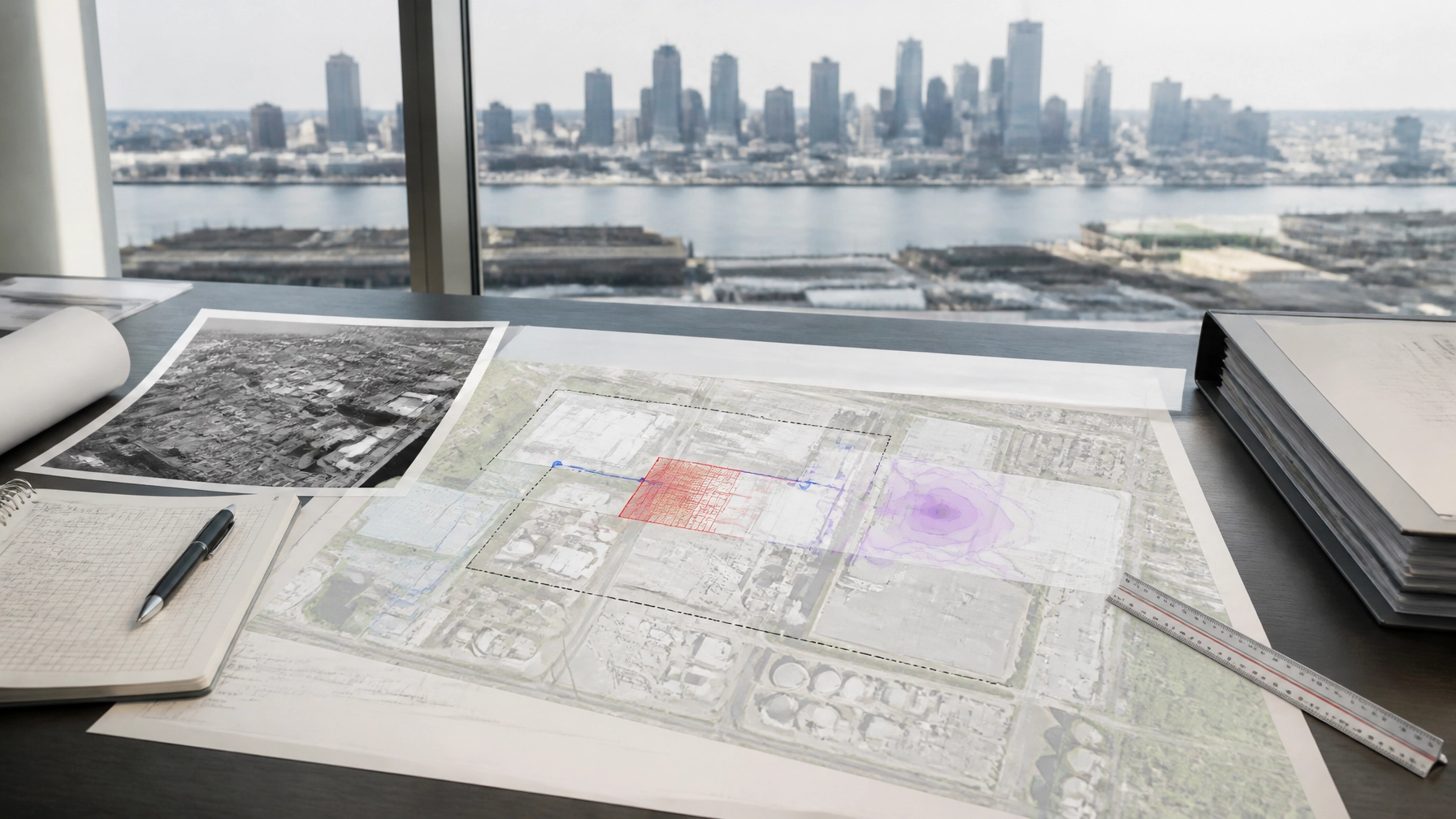
- Historical aerial photographs
- Sanborn fire insurance maps
- City directories and other historical land-use sources
- Review of prior industrial and commercial operations
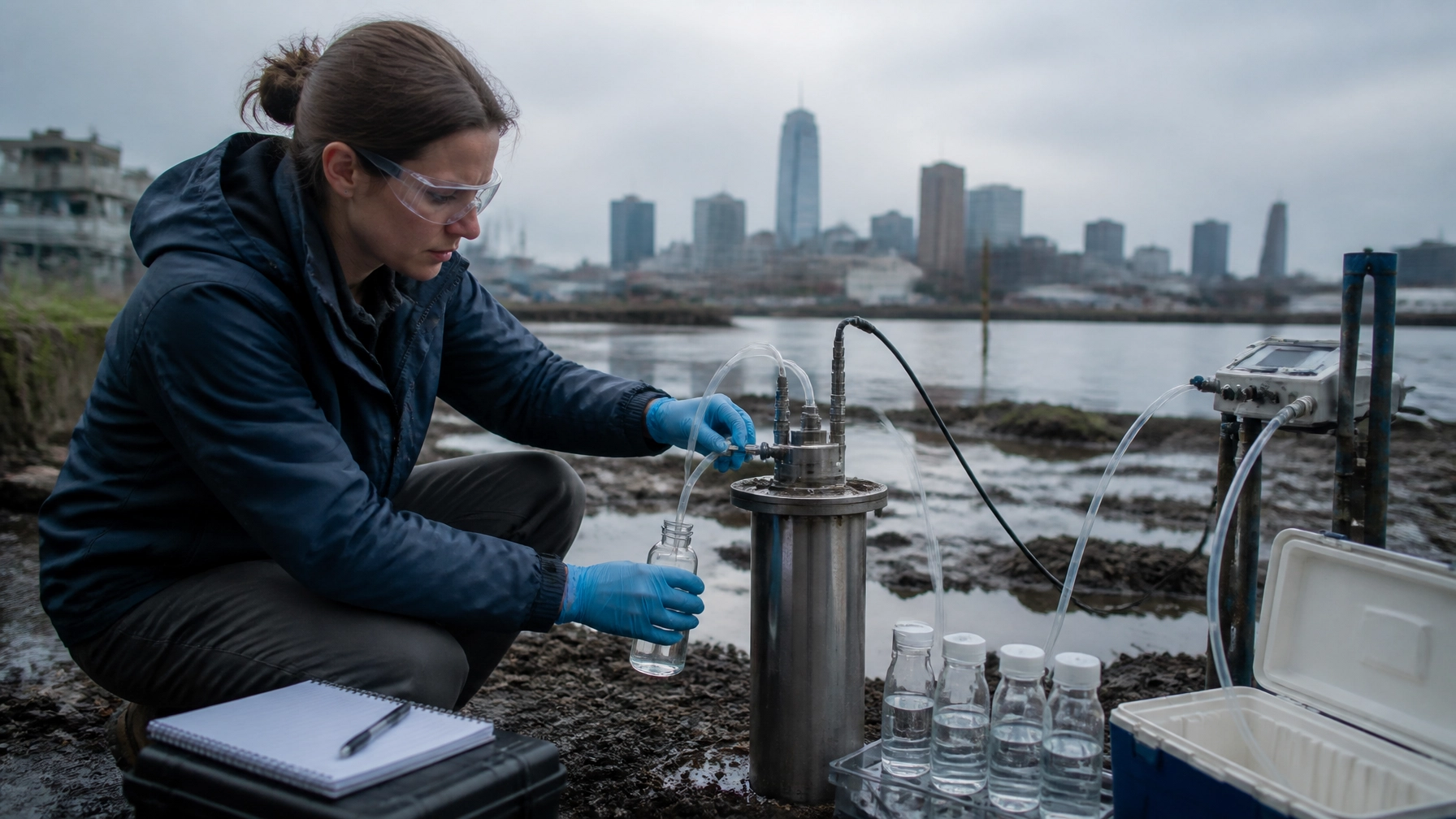
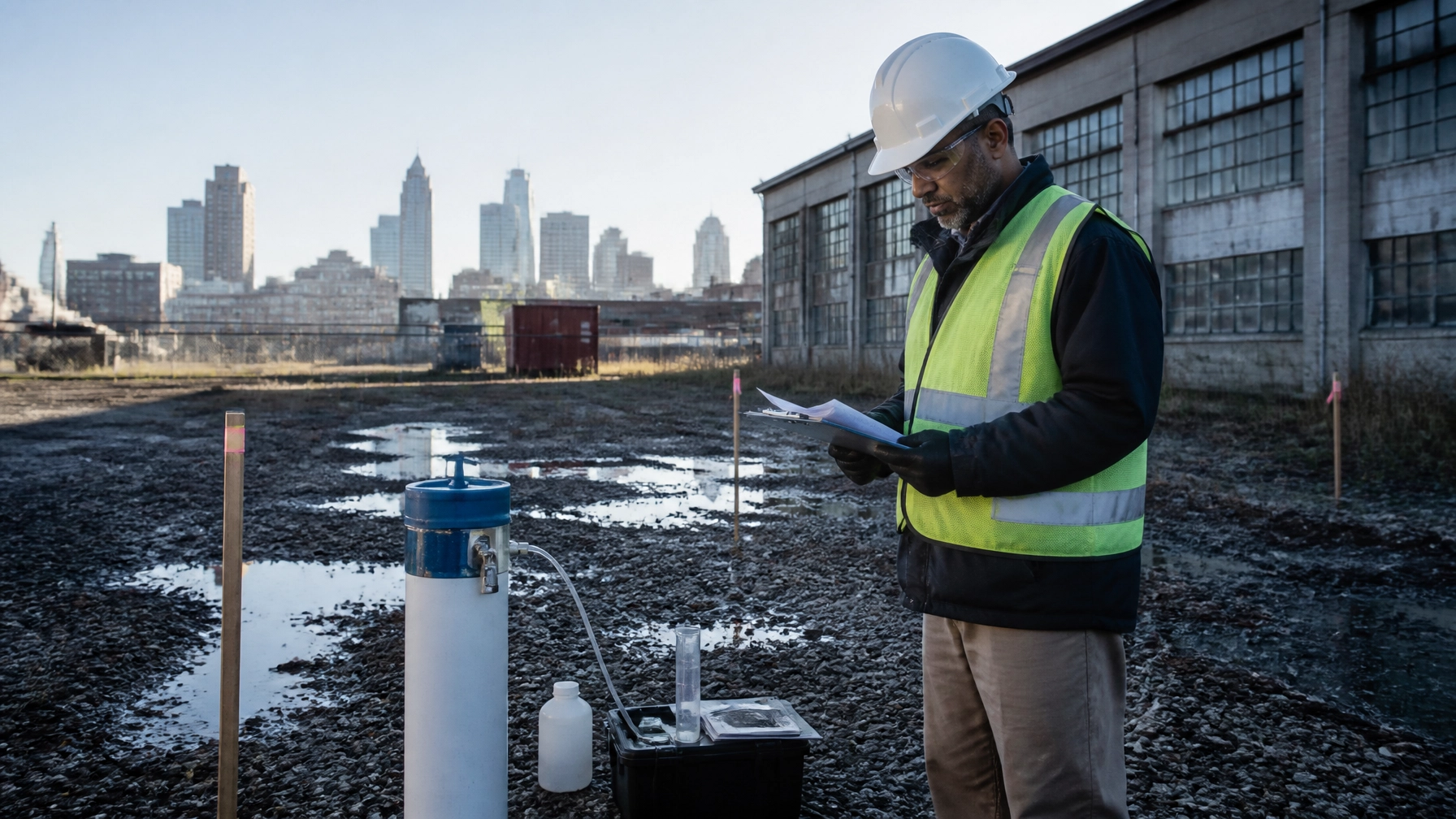
- Site reconnaissance of the property and adjoining properties
- Interviews with current owners, operators, occupants, or other knowledgeable parties
- Review of known spills, tanks, permits, violations, and environmental cases
- Identification of recognized environmental conditions, historical recognized environmental conditions, and controlled recognized environmental conditions
- Documentation of significant data gaps
- A report signed by a qualified Environmental Professional
EPA states that:
“AAI is the process of evaluating a property’s environmental conditions and assessing potential liability for any contamination.”
You can review the official EPA All Appropriate Inquiries guidance, the current 40 CFR Part 312 requirements, and the official ASTM E1527-21 standard page.
For a Brooklyn buyer, this framework matters because a report needs to satisfy more than an internal checklist. Your lender, transaction counsel, insurer, and future investors may all rely on the conclusions.
2026 Phase I ESA cost ranges in Brooklyn
Standard Phase I ESA: $2,200 to $4,500
This range generally applies to a commercial property with:
- A manageable site area
- Reasonable property access
- Available ownership and occupancy information
- No unusually complex industrial history
- A standard ASTM E1527-21 scope
- A normal delivery schedule, often two to three weeks
A standard assessment can still identify serious concerns. “Standard” describes the scope and expected complexity. It does not mean the property receives a superficial review.
Rush Phase I ESA: $3,000 to $5,500
A rush Phase I ESA Brooklyn NY buyers need for a short closing window costs more because the consultant must compress records review, scheduling, site reconnaissance, interviews, technical review, and report production.
Rush pricing often applies when:
- The closing is inside two weeks
- A lender has placed an environmental condition on the loan
- The purchase agreement has a short due diligence period
- A prior report is about to exceed its reliance period
- The buyer needs a fast go or no-go decision
- Counsel requires a revised or lender-specific report
A rush schedule should not mean a rushed conclusion. The scope still needs to support the transaction.
The main cost drivers for Brooklyn commercial property
1. Industrial and manufacturing history
Brooklyn has a long industrial record. Former uses may include metal fabrication, printing, warehousing, chemical handling, machine shops, transportation operations, food processing, and fuel storage.
Properties near the Gowanus corridor, Red Hook, Sunset Park, the Brooklyn Navy Yard, Bushwick, and Williamsburg waterfront may require a deeper historical review because prior operations can create environmental conditions that do not appear during a simple site walk.
The more complex the history, the more time the Environmental Professional may need to reconcile old maps, directories, agency files, and current site conditions.

2. Dry-cleaning operations
Former dry cleaners deserve specific attention because chlorinated solvents can migrate through soil, groundwater, and vapor pathways. A Phase I may identify a former dry cleaner on the subject property or an adjoining parcel as a potential recognized environmental condition.
The Phase I does not confirm contamination through sampling. It identifies whether the history warrants further investigation.
3. Underground storage tanks
USTs are common cost drivers in older Brooklyn commercial properties. A property may have:
- Active or abandoned fuel tanks
- Former heating-oil tanks
- Gasoline or diesel storage
- Unregistered or poorly documented tanks
- Tank closure records with incomplete supporting information
- Spill or petroleum-release history
Tank records, agency file reviews, physical access, and the need for a separate UST or GPR investigation can increase the overall due diligence budget.
4. Historic fill
Urban properties may contain historic fill placed during grading, infrastructure work, or waterfront development. Historic fill can include ash, construction debris, cinders, slag, and other materials.
A Phase I may identify historic fill as a concern based on historical sources, site setting, or prior reports. Confirming soil quality requires a Phase II investigation with sampling and laboratory analysis.
5. Vapor encroachment and vapor intrusion concerns
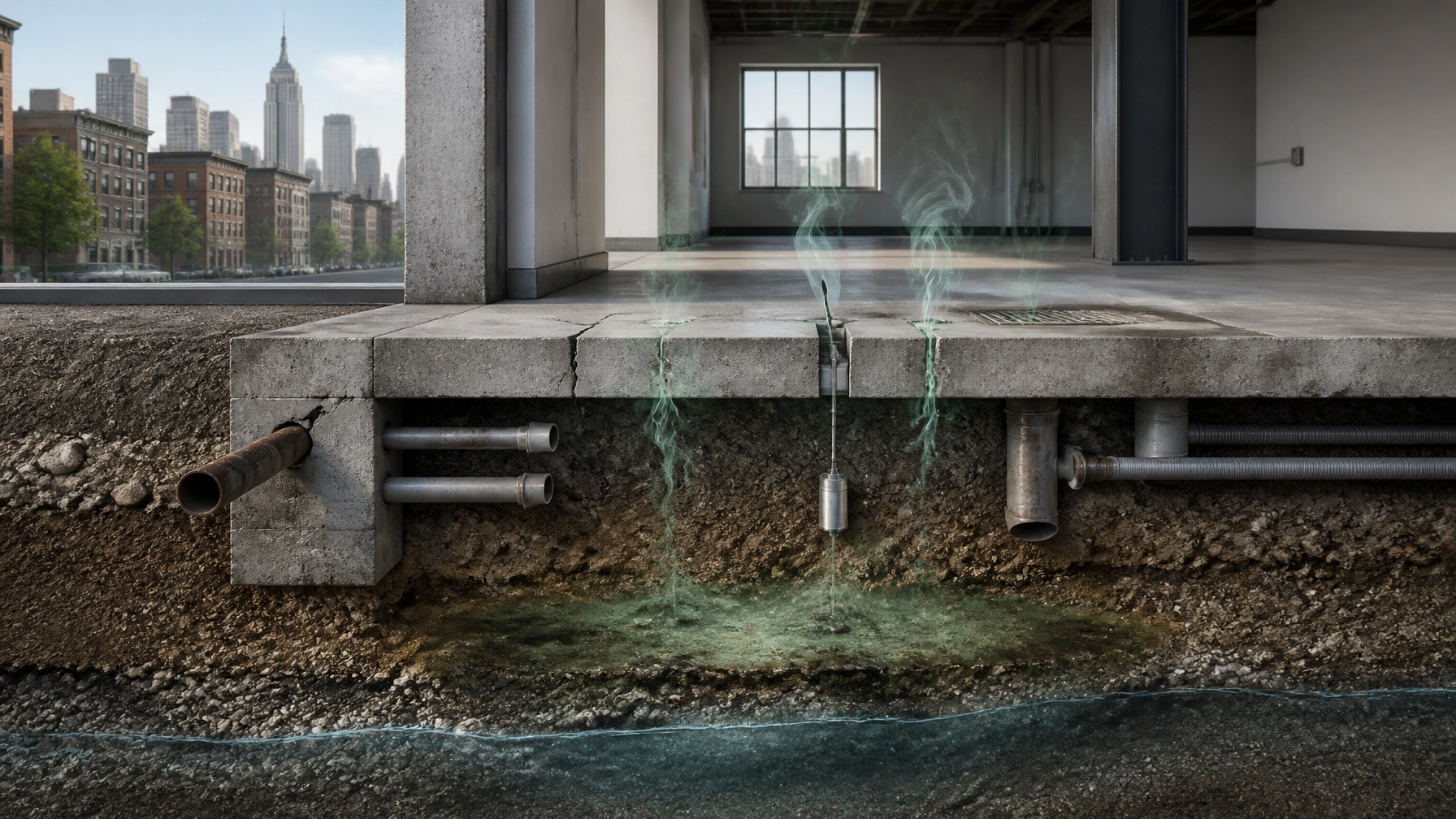
A former dry cleaner, petroleum site, industrial neighbor, or known groundwater plume can raise vapor concerns. A standard ASTM E1527-21 Phase I may identify the potential for vapor migration, but it does not automatically include soil-gas, sub-slab, indoor-air, or groundwater sampling.
A separate vapor intrusion assessment may be appropriate when the property is being converted from industrial to residential use or when sensitive occupants will use the building.
6. Property size, access, and number of parcels
A single tax lot with easy access is usually more straightforward than a multi-parcel commercial campus. Pricing can increase when the assignment involves:
- Multiple buildings
- Large yards or storage areas
- Rooftops, basements, and restricted interior spaces
- Several tax lots or legal parcels
- Active industrial operations
- Security or tenant access restrictions
- Adjoining properties that require closer review
7. Records and owner cooperation
Missing records create additional work. If the owner, property manager, or former operator cannot answer basic questions, the consultant may need to document the information gap and search for alternative sources.
That work protects the integrity of the report. It also helps your team understand whether the absence of records is itself a transaction risk.
8. Lender scope and turnaround
A lender-approved Phase I ESA Brooklyn transaction teams can use should be scoped around the lender’s requirements before field work begins.
Some lenders require:
- Specific reliance language
- A particular database provider
- Environmental lien searches
- A current site visit
- Updates to an older report
- Expanded review of petroleum, vapor, asbestos, or wetlands
- Delivery through a lender portal
- A specific report format
Confirm those requirements early. Revisions after delivery can cost more than getting the scope right at the start.
What a Phase I ESA does not include
A Phase I ESA is a records review and visual assessment. It does not normally include:
- Soil, groundwater, or soil-gas sampling
- Laboratory analysis
- Subsurface drilling
- Monitoring-well installation
- UST removal or closure
- Asbestos, lead paint, mold, or radon testing
- Structural or geotechnical inspection
- Boundary or topographic surveying
- Remediation design
- Legal title review
- Full regulatory compliance auditing
- Guaranteed confirmation that contamination is absent
If you need those services, they should be priced as separate scopes or coordinated as part of a broader environmental due diligence plan.
When is a Phase II ESA warranted?
A Phase II is warranted when the Phase I identifies a recognized environmental condition that could affect the property, financing, redevelopment plan, or future use.
Common triggers include:
- Former dry-cleaning operations
- Known or suspected USTs
- Documented spills or releases
- Industrial chemical use
- Historical manufacturing
- Historic fill with uncertain composition
- Petroleum or solvent impacts on an adjoining property
- Known groundwater contamination
- Vapor encroachment concerns
- A lender or counsel requirement
- A planned industrial-to-residential conversion
A Phase II may include soil borings, groundwater sampling, soil-gas sampling, sub-slab sampling, or other targeted investigation. The cost depends on the number of locations, laboratory program, site access, utilities, geology, and the contaminants of concern.
The objective is not to collect samples without a plan. It is to answer the specific question raised by the Phase I.

How Envicon keeps Brooklyn transactions moving
Envicon scopes Phase I work around the property, the closing date, and the people who need to rely on the report. Our Phase I ESA service includes ASTM E1527-21 and AAI-focused due diligence, site reconnaissance, records review, interviews, and clear REC conclusions.
Our Brooklyn team works across:
- Gowanus
- Sunset Park
- Red Hook
- Williamsburg
- Bushwick
- Downtown Brooklyn
- DUMBO
- Brooklyn Navy Yard
- Bedford-Stuyvesant
- Coney Island and surrounding industrial corridors
You can also review our Brooklyn environmental consulting and engineering capabilities or the broader NYC environmental consultant hub.
The difference is accountability. You get direct coordination, clear scope, and a report designed to support the next decision. Not a bloated document that leaves your acquisition team guessing what to do next.
FAQ: Phase I ESA Cost Brooklyn NY
How much does a Phase I ESA cost in Brooklyn, NY?
Most standard commercial Phase I ESAs fall between $2,200 and $4,500 in 2026. Rush assignments generally fall between $3,000 and $5,500. Industrial history, USTs, vapor concerns, property size, access, lender requirements, and turnaround can move the fee outside those ranges.
How long does a Brooklyn Phase I ESA take?
A standard assessment often takes two to three weeks after authorization and site access. A rush Phase I ESA may be completed faster when records, access, and lender requirements are available at the start.
Is ASTM E1527-21 required?
ASTM E1527-21 is the recognized standard practice commonly used to satisfy AAI requirements. EPA also allows parties to follow the AAI regulation directly under 40 CFR Part 312.
Does a Phase I ESA include sampling?
No. Sampling is generally part of a Phase II ESA or another separately authorized investigation.
Can a Phase I ESA be used for an industrial-to-residential conversion?
Yes, but the scope may need to address additional risks. Industrial history, vapor migration, historic fill, USTs, and proposed residential occupancy can all affect whether Phase II sampling or vapor assessment is appropriate.
How long is a Phase I ESA valid?
For AAI purposes, certain components must be completed or updated within 180 days before acquisition, and the full inquiry must generally be completed within one year before acquisition. Confirm timing with your lender and counsel before relying on an older report.
Get a property-specific Brooklyn estimate
A Phase I ESA should fit the property and the transaction. Get a scope that reflects the actual site, not a generic number.
- Use Envicon’s cost estimator for a property-specific planning range
- Call Envicon at (917) 764-2171
- Request a closing review and free quote
The right environmental assessment does more than satisfy a checklist. It gives you a defensible answer before your money, lender, and schedule are committed.