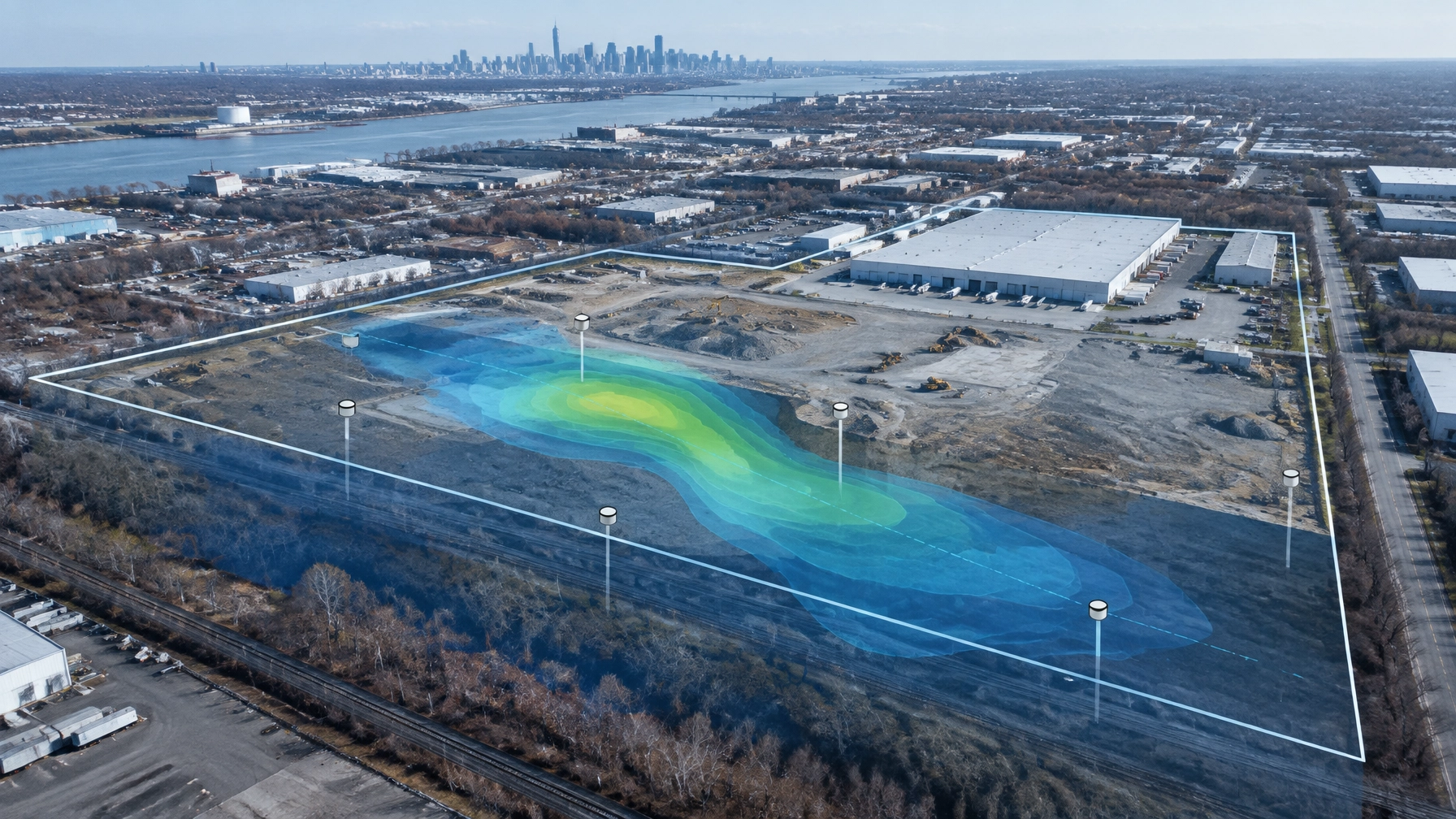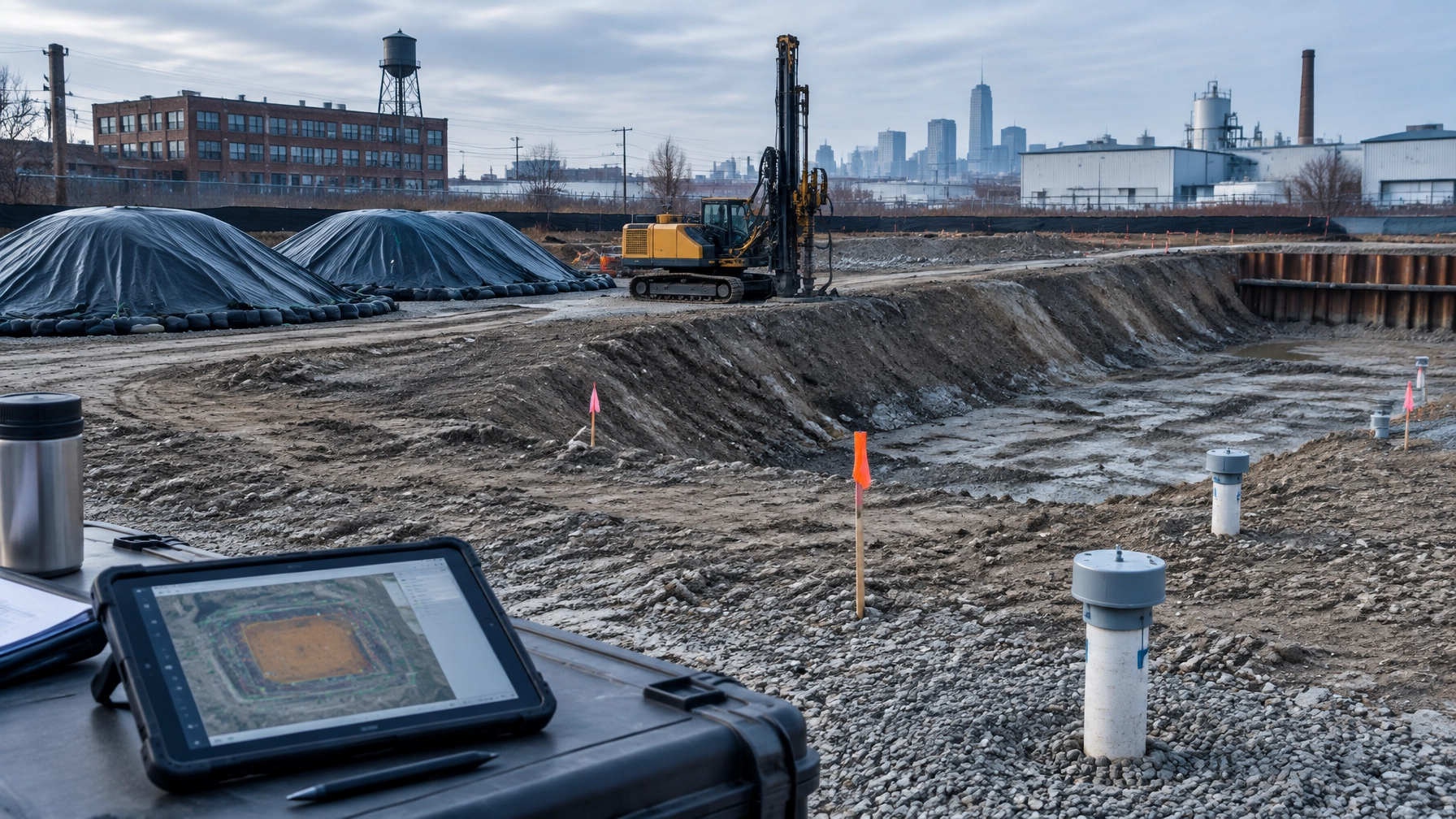
For New Jersey real estate developers and property owners, the regulatory landscape just shifted again: this time in your favor, but only if you move fast.
In June 2026, the NJDEP officially filed a rulemaking proposal to extend the "legacy" provisions of the Resilient Environments and Landscapes (REAL) rules by a full year. Originally set to expire in July 2026, this critical window has been pushed to July 20, 2027.
This isn't just a administrative delay; it’s a strategic opportunity. This one-year extension provides a reprieve from the most aggressive flood elevation requirements in New Jersey history. At Envicon Group, we are seeing this change the math on dozen of projects across Hudson County and the Jersey Shore. If you have a project in the pipeline, this is your chance to lock in current standards and avoid the massive capital expenditures associated with the new Inundation Risk Zone (IRZ) elevations.
The Stakes: Why the IRZ Changes Everything
The REAL rules were designed to overhaul the Coastal Zone Management (CZM), Freshwater Wetlands, and Flood Hazard Area (FHA) rules to account for rising sea levels. The most disruptive element for developers is the creation of the Inundation Risk Zone (IRZ).
Under the new standards, projects in tidal areas must add 4 feet to the existing FEMA 100-year flood elevation to determine the new Design Flood Elevation (DFE). For a typical mid-rise development, this 4-foot "bump" can mean:
- Redesigning building podiums and parking levels.
- Losing valuable ground-floor retail or residential space.
- Significant increases in structural and fill costs.
- Complex utility relocations and stormwater management adjustments.
Missing the July 2027 deadline means your project is no longer "grandfathered." It will be reviewed under the new standards, which often forces a total redesign.
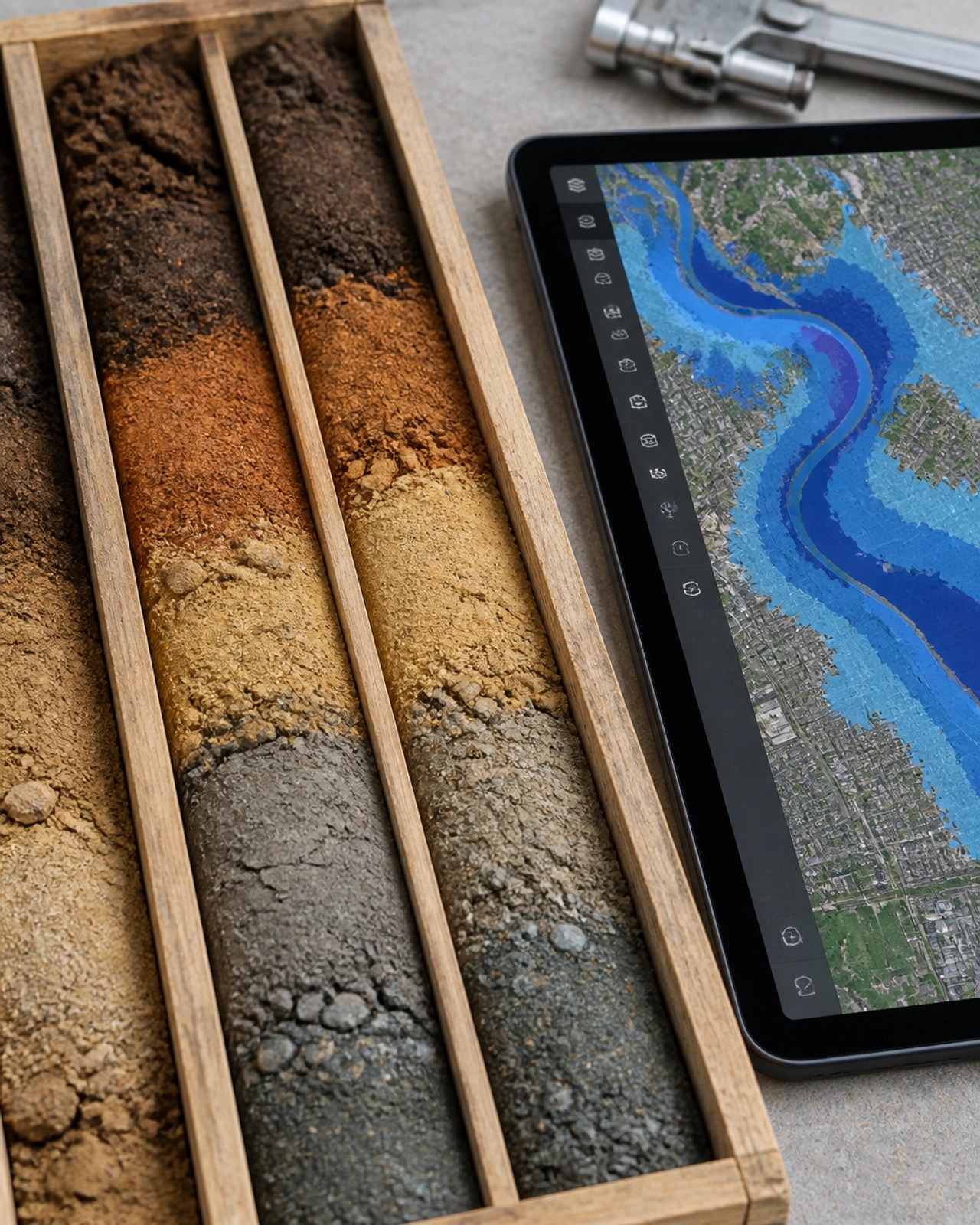
Tactical Playbook: How to Vest Your Project Before July 2027
Securing "legacy" status isn't as simple as just "filing an application." The NJDEP has set a high bar for what qualifies. To lock in the current rules, your application must be deemed administratively and technically complete by the July 20, 2027 cutoff.
1. Define "Technically Complete"
A "technically complete" application means more than just filling out forms. It requires full environmental site assessments, drainage calculations, site plans, and often physical field data. If you submit a bare-bones application in June 2027 hoping to "fix it later," you will fail. The NJDEP reviewers are notorious for returning incomplete applications, and if your "fix" happens after the deadline, you are subject to the new REAL standards.
2. Work Backward from the Deadline
If the deadline is July 20, 2027, you should aim to have your initial filing in by March or April 2027. This provides a 90-day buffer for the NJDEP to issue a Notice of Deficiency (NOD) and for your team to respond. At Envicon, we don't believe in "placeholder" filings. We push for 100% technical accuracy on the first submittal to avoid the back-and-forth that eats up precious calendar days.
3. Know the Difference: REAL vs. IFPR
It is critical to distinguish between the REAL rule extension and the Inland Flood Protection Rule (IFPR). The IFPR, which governs non-tidal areas, had its own legacy cutoff in July 2023. This current 2027 extension applies primarily to tidal/coastal projects governed by the REAL rules. Navigating which rule applies to your specific site: or if your site sits on the boundary: requires precise civil and site engineering oversight.

Why the "Big Box" Consultants Are Failing You
Many developers are finding that their national consulting firms are treating this extension with a sense of complacency. In the world of large-firm engineering, your project is one of thousands. Their reports are often written defensively: full of "CYA" language that protects the consultant but leaves the developer guessing on the next step.
At Envicon Group, we take the opposite approach. We are a family-owned firm that has spent 20 years building direct relationships with regulators at the NJDEP. We don’t just submit a report and wait for a letter in the mail; we pick up the phone. We know the reviewers by name, and we understand how they interpret "technical completeness."
The Envicon Difference:
- Direct Leadership: You aren't handed off to a junior associate. The principal who pitched you is the one reviewing your remedial design and coordinating with the agency.
- Agency Fluency: We understand the nuances of the NJDEP's June 2026 filing better than firms based in Texas or Chicago. We work these jurisdictions every day.
- Transparency: Our digital project dashboards give you real-time visibility into your permitting status. You’ll know exactly where your application stands in the queue.
"Collaboration is not a buzzword: it's how we work. When the NJDEP changes the rules, our job is to find the path that keeps your project buildable and compliant, without the bloat of a 500-page defensive report." : Jason Pancoast, CEO of Envicon Group
Summary: Your Immediate Next Steps
The extension to July 20, 2027, is a gift, but it is a temporary one. The NJDEP is currently facing a massive backlog of applications, and that backlog will only grow as the new deadline approaches.
To protect your project’s ROI:
- Audit your current permit status: Determine if your project is currently "legacy" or if you need to file now to capture that status.
- Review your elevations: Use our Risk Screener Tool to see if your site falls within the new IRZ boundaries.
- Avoid the "June 2027 Rush": Start your environmental and engineering due diligence now to ensure a "technically complete" submittal.
We don’t sell reports; we sell cleared paths. Whether you are dealing with a complex brownfield redevelopment or a high-stakes residential project, we remove the obstacles between you and a buildable site.
Conclusion: Don't Let Your Project Stall
The cost of delay in New Jersey development is measured in more than just interest rates; it’s measured in regulatory risk. Every week your application sits in a "big box" consultant's queue is a week you risk losing your legacy status.
Envicon Group specializes in solving environmental and engineering challenges with precision, speed, and trust. We believe in doing the work right, standing behind our word, and keeping projects moving.
Ready to lock in your project standards before the 2027 deadline?
- Risk Screener Tool: Evaluate your site’s vulnerability to the REAL rules
- Envicon Blog: Stay updated on NJDEP regulatory changes
- Learn More: Visit our main site to see our service offerings