For a New Jersey condo or HOA board, the question is not simply, “What does a reserve study cost?”
The better question is, “What level of engineering, field review, and financial modeling does our property need to build a defensible 30-year plan?”
That distinction matters in Jersey City, Hoboken, Bayonne, Newark, Bergen County, Hudson County, and Essex County. A small townhouse association with one roof system and limited common elements does not require the same scope as a high-rise with a parking garage, elevators, facade systems, podium decks, site drainage, and multiple buildings.
There is no universal reserve study fee. The cost depends on the property, the quality of available records, and the level of professional analysis required.
What a New Jersey reserve study should accomplish
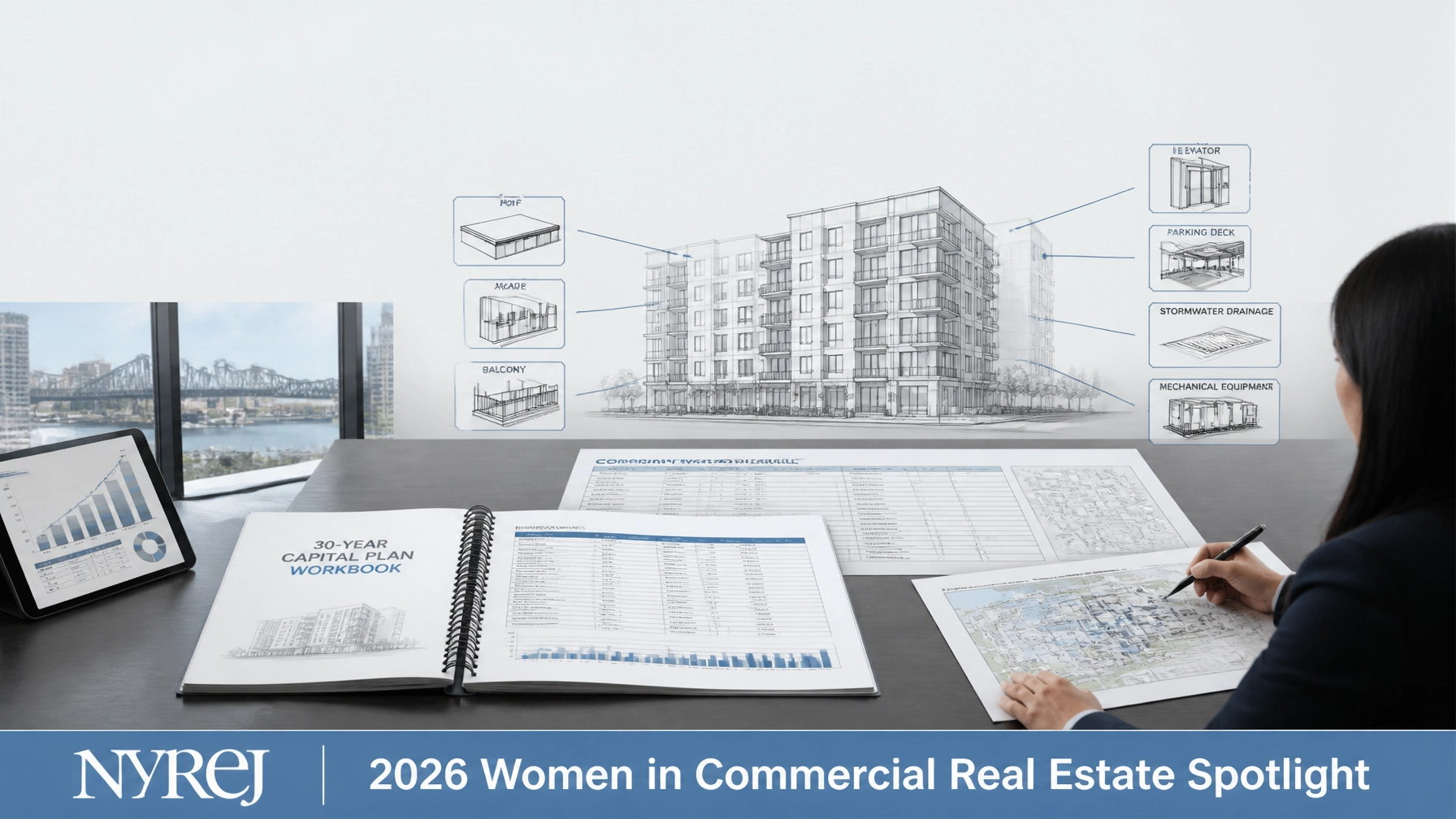
A reserve study combines two forms of analysis:
- Physical analysis of the association’s common elements and capital assets.
- Financial analysis that converts current conditions into a 30-year funding plan.
A useful study should identify:
- Common-element assets the association must repair or replace.
- Current condition and remaining useful life.
- Expected replacement or major repair costs.
- Inflation and cost escalation assumptions.
- Current reserve balances and annual contributions.
- Funding scenarios for the board to evaluate.
- The timing and cost of future reserve study updates.
- Structural inspection and related capital work, where applicable.
- The risk of special assessments, borrowing, or deferred maintenance.
The New Jersey Department of Community Affairs references a proposed 30-year funding plan in its guidance concerning capital reserve studies. The statutory framework includes N.J.S.A. 45:22A-44.2 and related provisions under New Jersey’s planned real estate development laws.
Review the official NJDCA capital reserve and structural integrity FAQ and the NJDCA planned real estate development regulations with association counsel before adopting a compliance strategy.
“A reserve study is not a prediction. It is a decision tool built from current physical conditions, useful-life assumptions, and funding choices.”
Reserve study cost in New Jersey: planning categories
Boards searching for reserve study cost New Jersey should compare scopes, not just bottom-line fees. A lower proposal may exclude the fieldwork, component inventory, or financial scenarios needed to make the report useful.
| Planning category | Typical property profile | Scope considerations |
|---|---|---|
| Baseline association study | One building or a small townhouse community | Common-element inventory, site visit, useful-life analysis, replacement cost estimates, and 30-year funding model |
| Multi-building HOA or condo study | Several buildings, larger unit count, shared roads, drainage, or recreational assets | More field time, asset reconciliation, separate building systems, site and civil components, and multiple funding scenarios |
| Complex urban or high-rise study | High-rise, podium, garage, elevators, facade systems, multiple mechanical systems, or waterfront exposure | Expanded engineering coordination, access planning, structural interfaces, detailed asset segmentation, and more complex financial modeling |
| Study update with site visit | Existing study is available and property conditions have changed | Reinspection, inventory reconciliation, current pricing, revised useful lives, and updated reserve contributions |
| Financial update without site visit | Recent study with reliable records and no major physical changes | Desktop review, revised assumptions, reserve balance update, and financial model refresh |
These are planning categories, not guaranteed prices. A firm should review the property before presenting a reliable fee and scope.
For a condo reserve study price in Jersey City, expect the proposal to reflect more than unit count. A waterfront tower with a parking structure, elevators, facade maintenance obligations, and difficult roof access may require substantially more work than a similarly sized low-rise property.
The cost drivers that change your fee
Unit count and building count
Unit count affects coordination, records review, and financial modeling. Building count often has an even greater effect.
A 120-unit single-building association may have a straightforward asset inventory. A 120-unit campus with four buildings, private drives, retaining walls, stormwater infrastructure, and shared amenities requires separate observations and cost assumptions.
Asset inventory
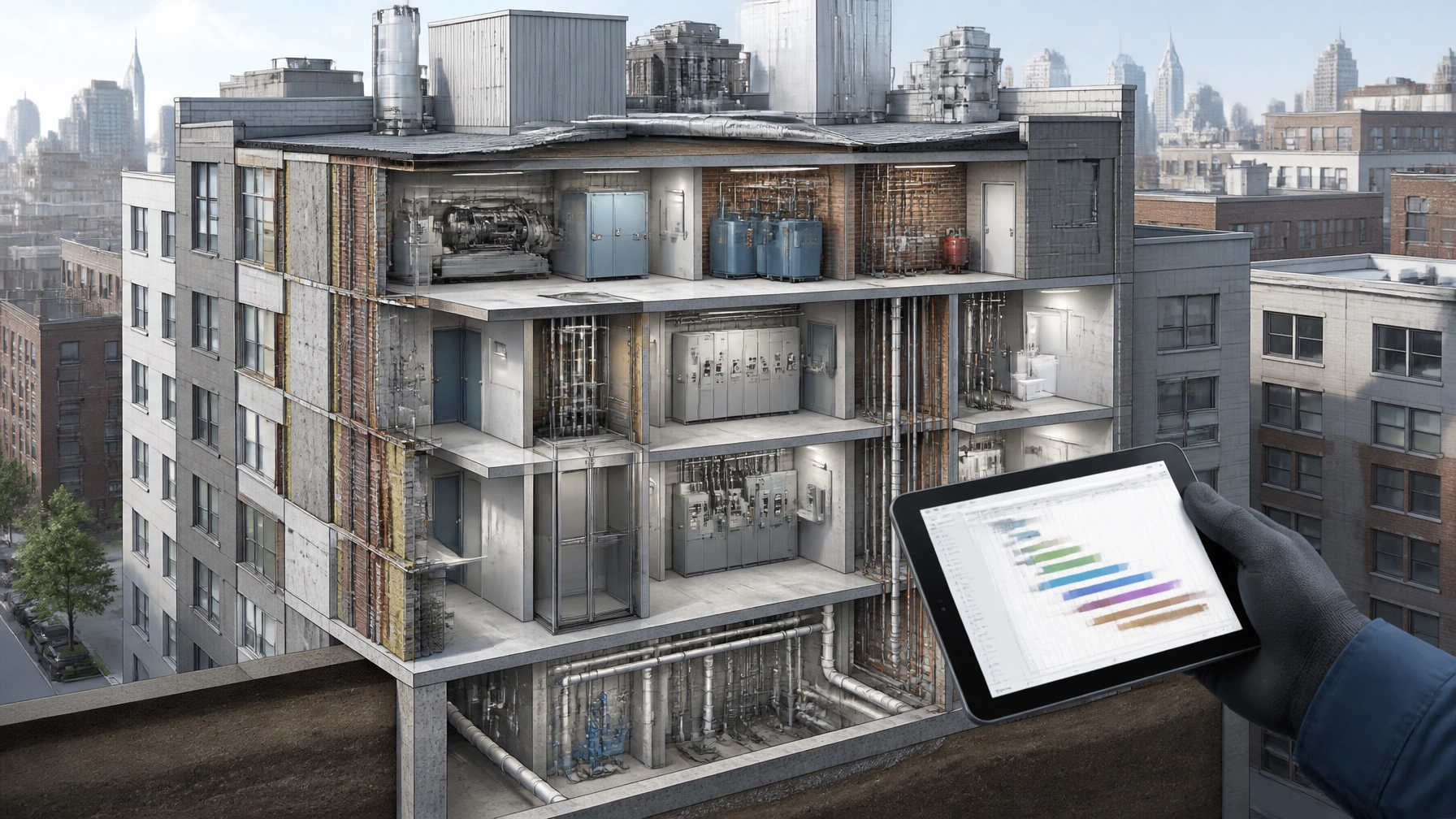
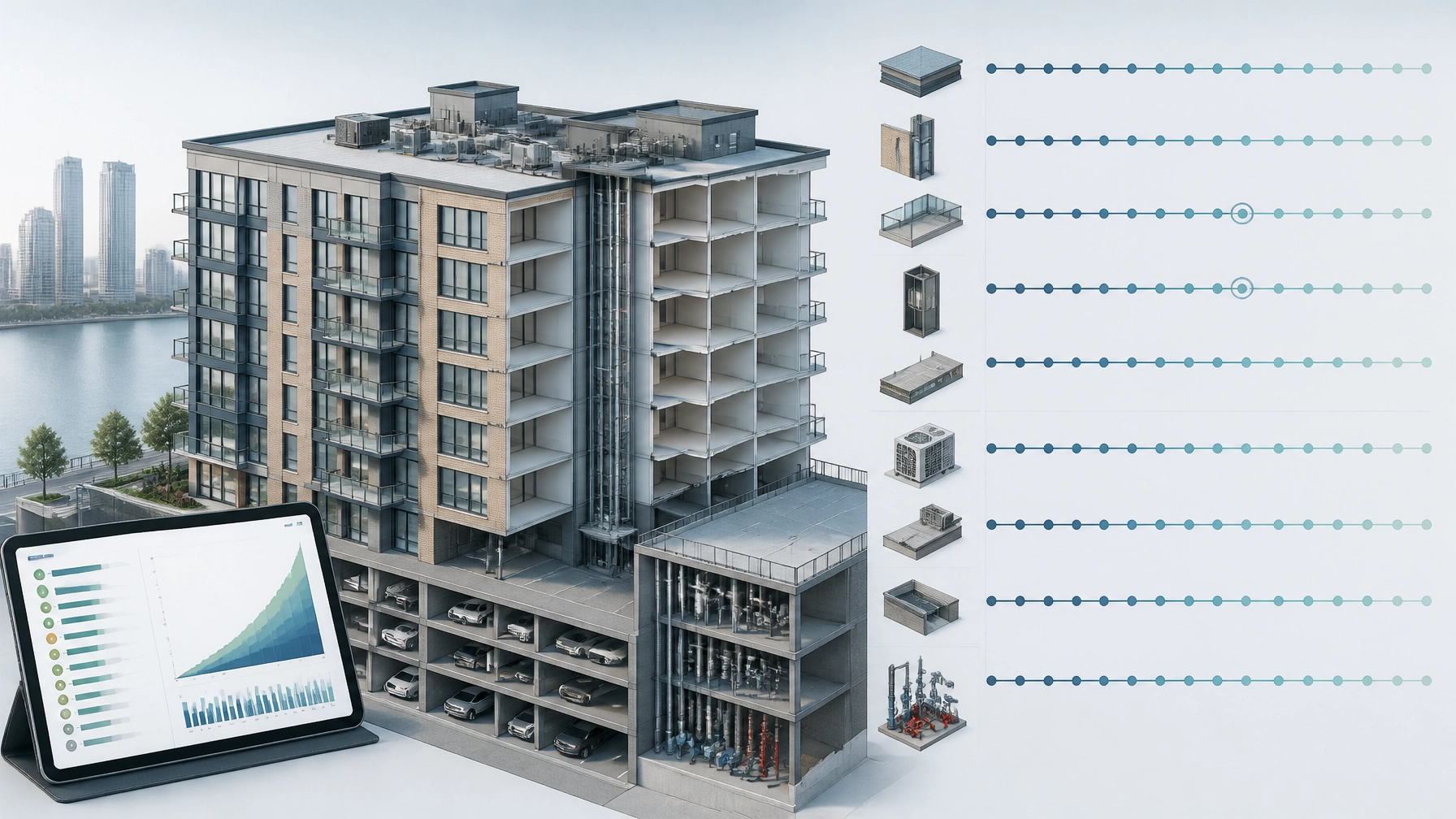
The study becomes more involved as the number of capital components increases. Common assets may include:
- Roofing and waterproofing.
- Facades, balconies, and sealants.
- Elevators and major mechanical equipment.
- Boilers, chillers, pumps, and domestic water systems.
- Fire protection systems.
- Parking decks and garage coatings.
- Pavement, curbs, sidewalks, and retaining walls.
- Site lighting, fencing, gates, and security systems.
- Stormwater facilities and underground utilities.
- Clubhouses, pools, playgrounds, and recreational structures.
An incomplete inventory produces an incomplete funding plan. We focus on what the association is actually responsible for maintaining, not a generic template.

Structural coordination
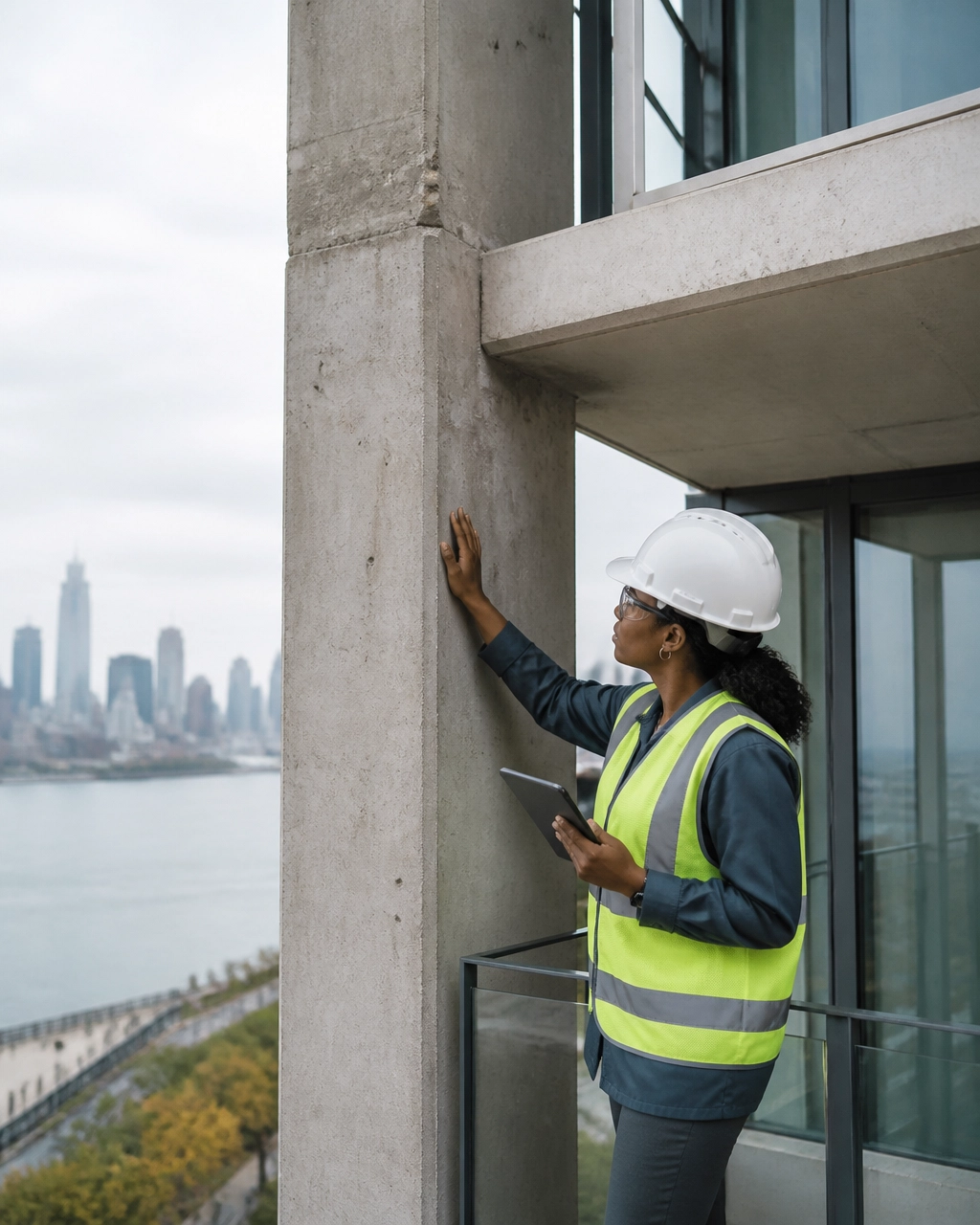
A reserve study is not the same as a structural integrity inspection. However, the two scopes may need to work together.
New Jersey’s Residential Structural Integrity Law, P.L. 2023, c. 214, establishes separate inspection requirements for certain condominium and cooperative buildings based on their primary load-bearing systems and related structural conditions.
A structural inspection evaluates safety and condition. A reserve study evaluates long-term capital funding. If a structural inspection identifies facade, balcony, garage, podium, beam, column, or waterproofing work, the anticipated cost should be reflected in the reserve plan.
That coordination can prevent a board from receiving one report that identifies a major repair and another report that fails to fund it.
Site and civil scope
Many reserve studies focus heavily on buildings and understate site assets. That creates problems for associations responsible for private roads, drainage, retaining walls, stormwater systems, sidewalks, or parking areas.
For properties in Newark, Bayonne, Hoboken, and Jersey City, urban site constraints can affect both access and replacement costs. Flood exposure, groundwater, tight construction staging, utility conflicts, and high local labor costs may also affect the timing and price of capital work.
When the reserve study identifies site or infrastructure issues, coordination with Envicon’s civil and geotechnical engineering team can help the board move from a funding estimate to a practical repair strategy.
Access and field conditions
A reserve study depends on field access. Locked roofs, restricted mechanical rooms, occupied units, secured garages, and limited inspection windows can increase mobilization and coordination requirements.
The proposal should state:
- Which areas will be inspected.
- Whether roof and mechanical access is included.
- Who will coordinate keys and escorts.
- Whether destructive testing is excluded.
- Whether concealed conditions will require follow-up investigation.
- How inaccessible components will be treated in the report.
Clear assumptions protect the board from surprises later.
Financial modeling
A useful 30-year capital reserve plan should show more than one annual contribution number. Boards should be able to evaluate scenarios such as:
- Gradual contribution increases.
- Immediate contribution adjustments.
- Partial use of current reserves.
- Projected inflation changes.
- Different investment or interest assumptions.
- Timing changes for major projects.
- Potential special-assessment exposure.
The goal is not to make the reserve balance look good on paper. The goal is to show what funding approach gives the association the most control.
Engineering credentials and report accountability
New Jersey guidance allows reserve studies to be performed or overseen by qualified professionals, including a New Jersey-licensed engineer or architect, or a properly credentialed reserve specialist under applicable standards.
For a complex property, the board should ask who will:
- Perform the site walk-through.
- Review structural and building systems.
- Build the financial model.
- Sign or oversee the final deliverable.
- Present the findings to the board.
- Answer questions from counsel, management, owners, or auditors.
At Envicon, our reserve study process is led by licensed professionals and connected to civil, geotechnical, structural, and construction oversight capabilities when the property requires more than a desktop report.

Reserve study versus structural inspection
The distinction is important.
A reserve study answers:
- What common elements does the association maintain?
- How long are those components expected to last?
- What will repair or replacement cost?
- When should the association plan for that work?
- How much should the association contribute over 30 years?
A structural inspection answers:
- Are covered structural systems performing as intended?
- Are there observable conditions that require repair or further investigation?
- Do primary load-bearing systems, balconies, facades, garages, or podium structures require action?
- Is additional structural engineering needed?
One does not replace the other. A reserve study can include structural capital costs, but it should not be represented as a structural safety inspection unless that inspection is specifically included and performed by the appropriate licensed professional.

How data quality affects reserve study cost
Reliable records reduce rework. Before requesting a proposal, the board or property manager should gather:
- Prior reserve studies.
- Current operating and reserve budgets.
- Recent financial statements.
- Capital project history.
- Roof, facade, elevator, HVAC, and garage records.
- Warranties and maintenance contracts.
- Structural inspection reports.
- Site plans and as-built drawings.
- Current reserve account balance.
- Known defects, leaks, or deferred maintenance.
If the association has incomplete records, the engineer must rely more heavily on field observations, interviews, assumptions, and follow-up verification. That can increase both the fee and the uncertainty in the final plan.
Update frequency and long-term budgeting
New Jersey associations should plan for more than the initial study. Applicable state requirements and DCA guidance generally point boards toward keeping the reserve study current and reviewing it at least every five years.
An update may involve:
- A full site visit.
- A partial reinspection.
- Updated replacement pricing.
- Revised useful-life estimates.
- Current reserve balances.
- Completed and deferred projects.
- Revised inflation and interest assumptions.
- A new funding comparison.
A simple financial update may cost less than a full reinspection, but it is only appropriate when the existing inventory remains accurate and the property has not experienced significant changes.
What Hudson County boards should ask before hiring
For a reserve study cost Hudson County HOA proposal, ask these questions:
- Is the study prepared or overseen by a New Jersey-licensed engineer or qualified reserve professional?
- Does the scope include every building and shared site asset?
- Are structural inspection needs addressed separately?
- Will the report include multiple funding scenarios?
- Are inflation and replacement costs based on current regional conditions?
- Does the fee include a board presentation?
- What information must the association provide?
- How will inaccessible areas be handled?
- Is the update schedule clearly defined?
- Who will answer questions after delivery?
A national firm may send a standardized report through several layers of project management. A regional team should be able to explain the assumptions, walk the property with the board, and coordinate directly with the professionals responsible for repairs.
That accountability matters in Jersey City, Newark, Hoboken, Bayonne, and throughout Hudson, Bergen, and Essex counties.
Build the plan before the special assessment
The best reserve study does not eliminate every future expense. It gives the board time to make better decisions.
A strong plan helps you:
- Identify major repairs before they become emergencies.
- Set contributions based on documented needs.
- Reduce reliance on surprise special assessments.
- Coordinate structural and capital work.
- Explain funding decisions to unit owners.
- Support lender, insurer, and audit discussions.
- Create a clear handoff from planning to construction.
Envicon prepares board-ready reserve studies with direct engineering oversight, practical field analysis, and financial scenarios that show what happens next.
Request a New Jersey reserve study scope
If your association needs an HOA reserve study engineer in Newark, a condo reserve study price for Jersey City, or a 30-year capital reserve plan for a property in Hudson, Bergen, or Essex County, start with the actual asset inventory and your board’s decision deadline.
Request a board consultation
Call Envicon at (917) 764-2171
Request a reserve study scope and fee proposal
A reserve study is not just a compliance document. It is how a board turns uncertainty into a schedule, a funding strategy, and a property owners can trust.