For a Manhattan or Brooklyn co-op board, reserve study cost depends on the building, not a universal price list.
A small walk-up with simple systems requires a different scope than a 20-story prewar building with a facade cycle, multiple elevators, a central boiler plant, aging plumbing risers, and complex electrical infrastructure. The right question is not only, “What will the study cost?” It is, “Will the study give the board a defensible plan before the next major repair becomes an emergency?”
A properly prepared reserve study combines physical analysis with financial planning. It identifies what the building owns, estimates each component’s remaining useful life, projects replacement costs, and models how the board can fund the work over time.
Envicon prepares reserve studies for condos, co-ops, and HOAs across New York and New Jersey. Our work is led by licensed Professional Engineers and built for board review, lender diligence, annual budgeting, and long-term decision-making.
What drives reserve study cost in NYC?
There is no reliable universal cost for a “NYC co-op reserve study.” The fee depends on the number of components reviewed, the building’s access conditions, the quality of its records, and the depth of the financial model.
The main cost drivers include:
| Cost driver | Why it matters |
|---|---|
| Unit and building count | More units, wings, entrances, roofs, and common areas increase field time and component tracking. |
| Building height and age | High-rise and prewar buildings often require more detailed review of facades, elevators, risers, structural elements, and mechanical systems. |
| Component inventory | A study covering only major visible elements costs less than one covering facade, roof, elevators, boilers, plumbing, electrical, windows, life safety, and site features. |
| Access | Locked mechanical rooms, occupied units, roof restrictions, facade access, and multiple buildings can extend the assessment. |
| Existing records | Prior studies, repair invoices, capital contracts, inspection reports, and maintenance logs reduce uncertainty and duplicate investigation. |
| Engineering coordination | Coordination with facade, elevator, structural, energy, or mechanical professionals adds value but may expand the scope. |
| Financial modeling | A simple contribution schedule differs from a 30-year model with inflation, interest, reserve balances, special assessments, and multiple funding scenarios. |
| Updates | A full study with a site visit differs from an annual financial update based on an existing component inventory. |
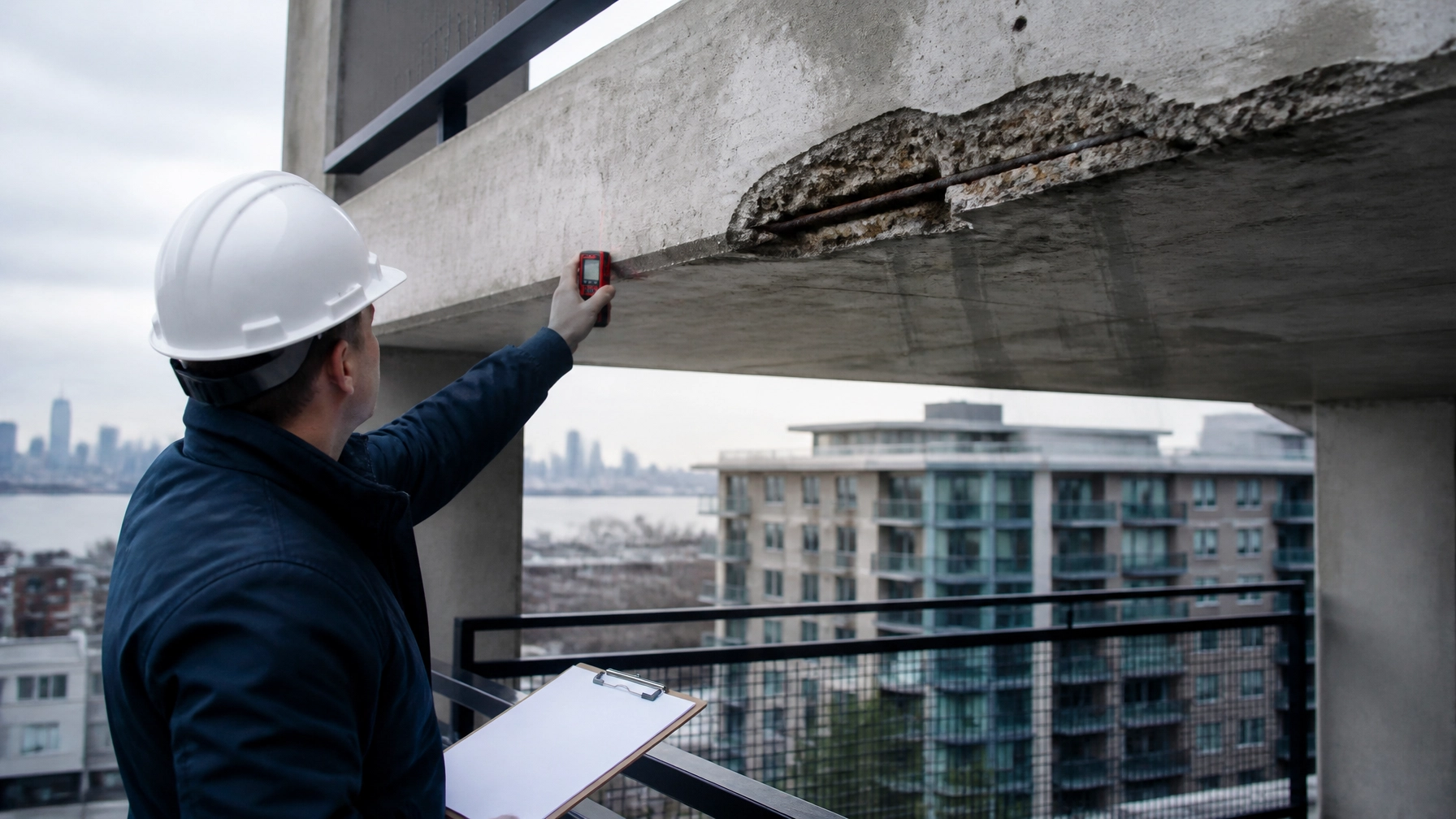
| Structural inspection integration | When structural findings must feed directly into the capital plan, the teams need to coordinate condition ratings, repair priorities, and cost assumptions. |
A board should ask for a scope-specific proposal. A low initial fee may exclude the systems that create the greatest future exposure.
What a full reserve study should cover
A serious capital plan starts with a physical inspection of the building’s common elements. The engineer creates a component inventory and evaluates condition, useful life, replacement timing, and probable cost.
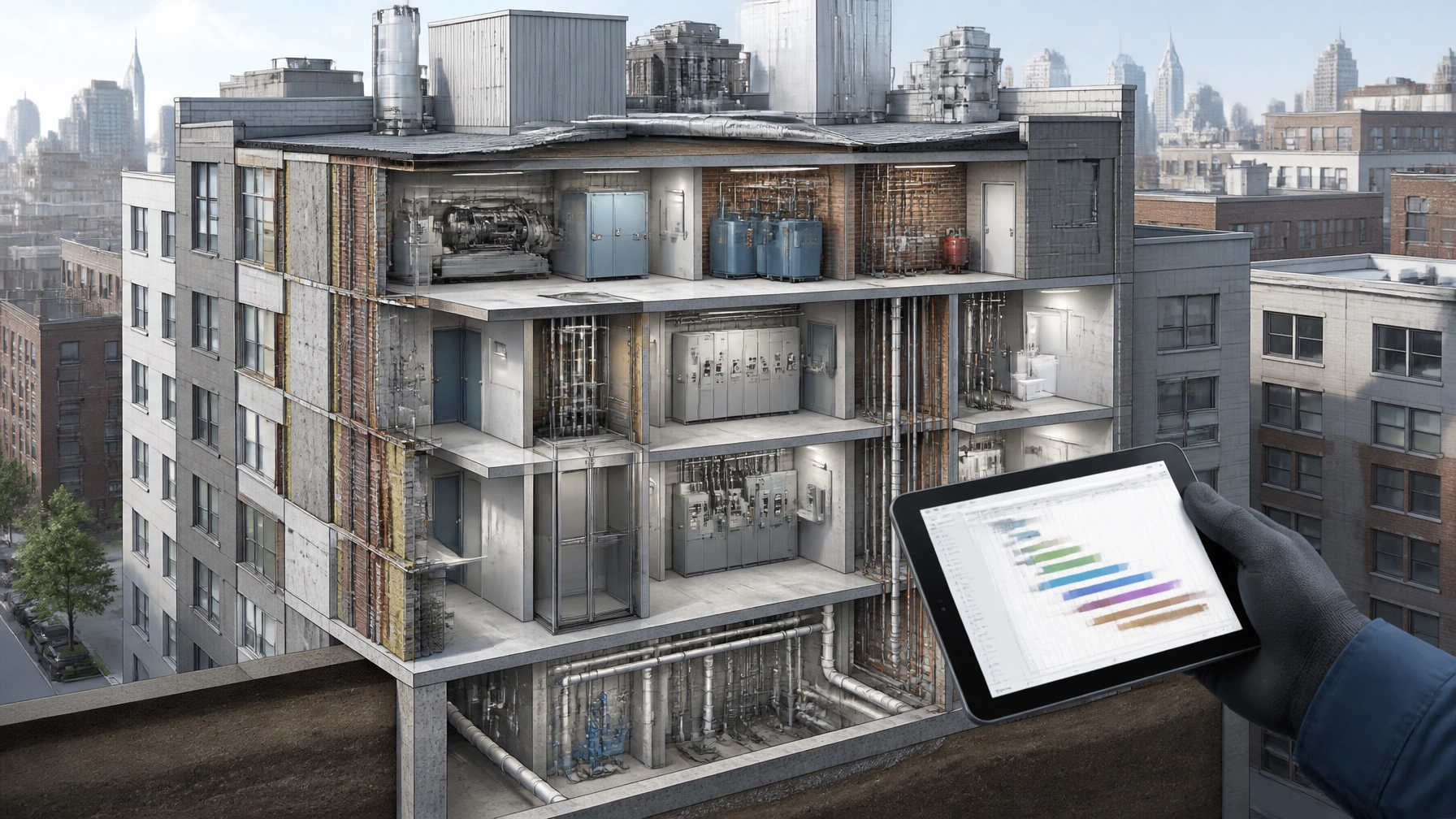
For a typical Manhattan or Brooklyn co-op, the scope may include:
- Facade and exterior wall systems
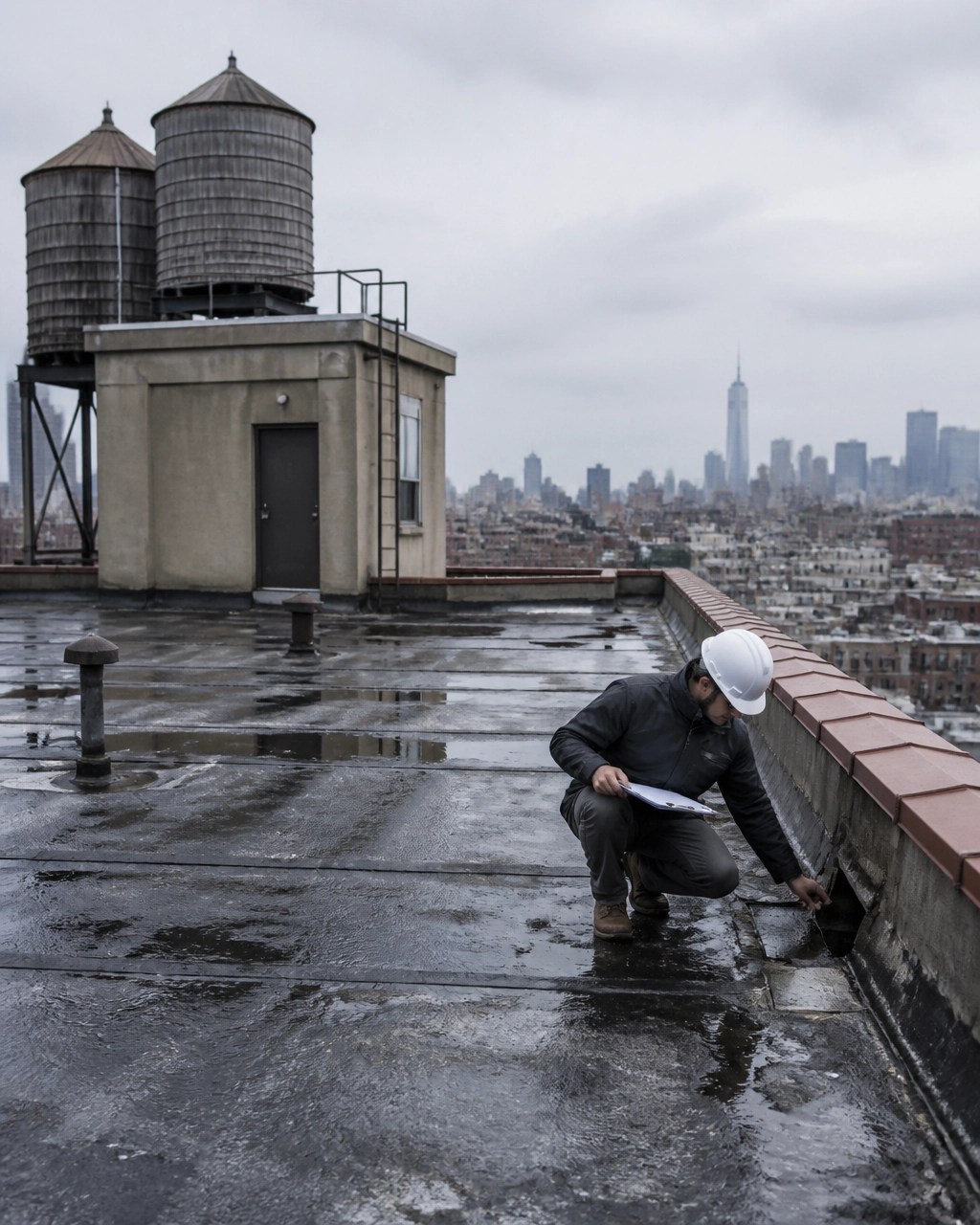
- Roof membranes, flashing, drainage, and rooftop structures
- Elevators and related modernization needs
- Boilers, burners, pumps, controls, and distribution systems
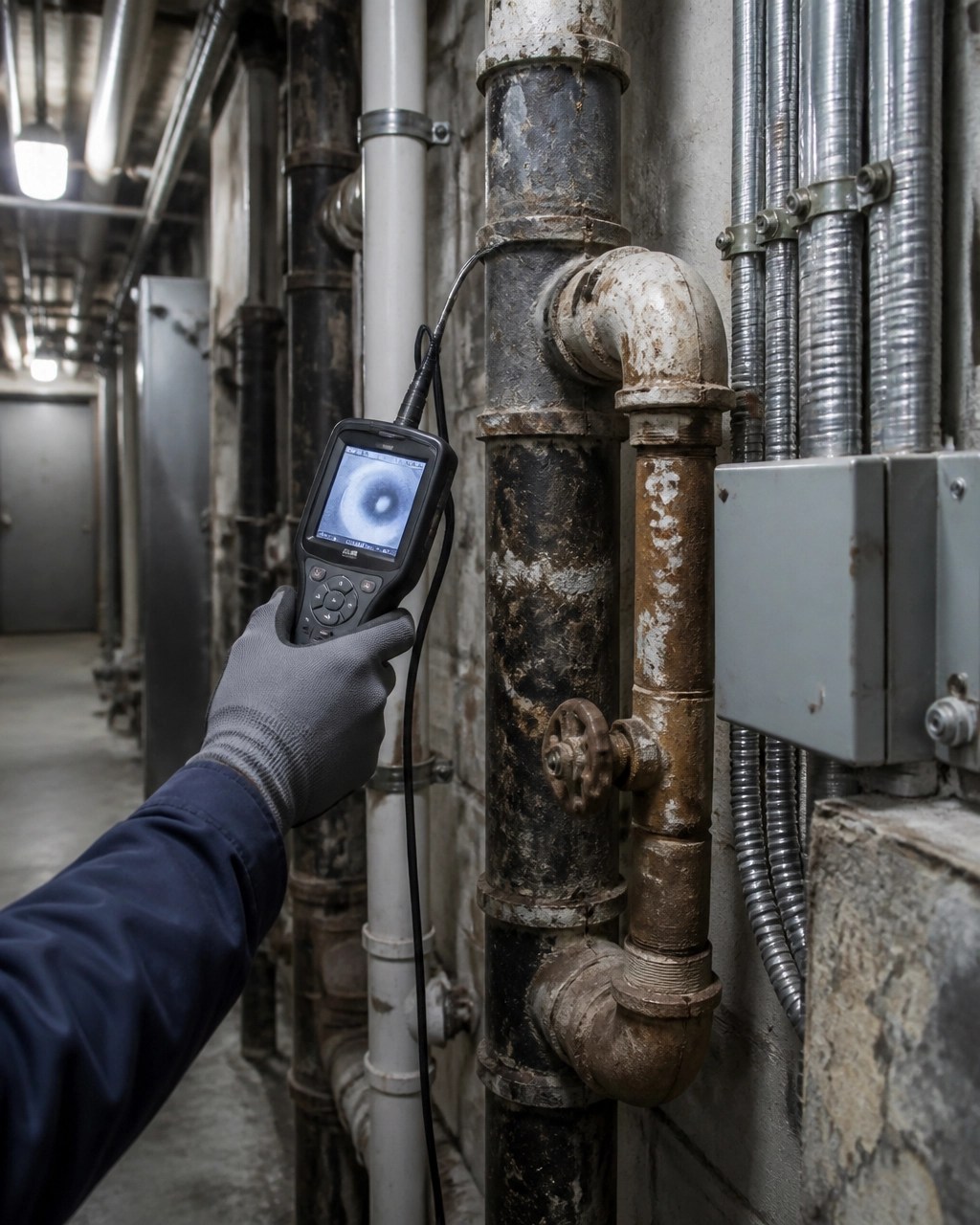
- Domestic water, plumbing risers, waste stacks, and valves
- Electrical service, panels, feeders, and common-area distribution
- Windows, masonry, waterproofing, and building envelope elements
- Fire protection, life safety, and common-area systems
- Site paving, sidewalks, retaining walls, and drainage
- Structural components identified through visual review or separate inspection
The goal is not to predict the exact date a component will fail. The goal is to provide a practical planning window and explain what the board should do next.
Reserve study versus structural inspection in NYC
A reserve study and a structural inspection serve different purposes.
A reserve study answers:
- What major components does the association need to maintain?
- What is each component’s current condition?
- How long might it remain serviceable?
- What could replacement or major repair cost?
- How much should the board contribute over time?
- When could a special assessment or borrowing decision become necessary?
A structural inspection focuses on structural condition and safety. It may examine load-bearing walls, slabs, balconies, foundations, structural framing, or other elements depending on the building and assignment.
The two scopes can work together, but one does not replace the other. A reserve study should not be presented as a structural certification. A structural inspection does not automatically provide a complete financial plan.
For buildings with known facade, balcony, settlement, water intrusion, or structural concerns, boards should coordinate the scopes. Envicon provides structural inspections that can be integrated into a broader capital planning process when the project requires it.
New York City buildings over six stories also need to account for the city’s facade inspection requirements under the Facade Inspection & Safety Program. The NYC Department of Buildings facade inspection guidance should be reviewed alongside the building’s repair history and upcoming inspection cycle.
How a 30-year reserve study works
A NYC 30-year reserve study typically has two connected parts.
1. Physical analysis
The engineer documents current conditions and estimates remaining useful life. For example, a roof may appear serviceable today but require replacement within a defined planning window. An elevator may operate normally while still approaching a modernization cycle. Plumbing risers may show no active leak but remain a known long-term risk in a prewar building.
The study should explain the assumptions behind each recommendation. It should identify whether the work is routine maintenance, a major repair, partial replacement, or full system modernization.
2. Financial analysis
The financial model converts those engineering observations into a capital schedule. It considers:
- Current reserve balance
- Annual reserve contributions
- Expected repair and replacement costs
- Inflation assumptions
- Interest or investment assumptions
- Timing of major projects
- Contribution increases
- Borrowing
- Special assessments
- Different risk and funding scenarios
A board may choose a conservative scenario that builds reserves faster. Another board may accept higher assessment risk to limit near-term increases. The engineer’s job is to show the consequences clearly so the board can make an informed decision.
Why records can change the fee and the result
Before requesting proposals, the board or property manager should gather:
- Prior reserve studies
- Local Law 11 or facade reports
- Roof and elevator inspection records
- Boiler and mechanical service records
- Plumbing and electrical repair histories
- Recent capital project contracts
- Current reserve balance
- Annual budget and contribution history
- Pending litigation, violations, or major repair recommendations
- Existing engineering drawings and maintenance schedules
Good records do not eliminate fieldwork. They make the fieldwork more targeted. They also help the engineer distinguish between a component that has been maintained consistently and one that only appears acceptable because its repair history is incomplete.
Board disclosure and owner communication
A reserve study is not just an engineering report. It becomes part of the board’s governance and communication process.
Boards should be prepared to explain:
- What the study reviewed
- Which projects require attention first
- Why contribution levels may need to change
- Which costs remain uncertain
- Whether a special assessment is one possible funding scenario
- How new inspection findings affect the capital plan
- When the study should be updated
Clear communication matters. Owners may react more strongly to an unexpected assessment than to a planned contribution increase. A board-ready study gives directors a common set of facts before difficult decisions reach an annual meeting.
A useful capital plan does not hide uncertainty. It identifies it early.
Manhattan, Brooklyn, and the surrounding region
The planning issues differ by property, but the need is consistent across:
- Manhattan co-ops and mixed-use residential buildings
- Brooklyn brownstones, elevator buildings, and larger co-op developments
- Queens garden-style and mid-rise properties
- Bronx multifamily and cooperative housing
- Staten Island buildings exposed to weather and drainage concerns
- Westchester co-ops and condominium communities with aging infrastructure
Envicon’s Manhattan service area and Brooklyn service area pages provide additional local context. Our NYC environmental consulting team also supports boards and owners when capital work intersects with environmental compliance, hazardous materials, stormwater, or construction oversight.
How to request a useful proposal
When comparing firms, ask whether the proposal includes:
- A licensed Professional Engineer
- A documented on-site component inventory
- Building-specific useful-life estimates
- Current replacement cost assumptions
- A 20- or 30-year funding schedule
- Inflation and interest assumptions
- Multiple funding scenarios
- A board presentation or executive summary
- Coordination with existing structural or facade reports
- Clear exclusions and additional-service rates
- A defined update process
Large firms may offer a recognizable name but assign the work to junior staff who are not present during the board meeting or site review. Envicon keeps the work direct. The engineer who understands the building conditions should be able to explain the assumptions behind the plan.
That is the difference between receiving a report and having a capital strategy.
Frequently asked questions
What is the cost of a reserve study for a NYC co-op?
There is no universal price. Cost depends on the number of buildings and units, system complexity, access, records, engineering coordination, and the depth of the financial model. Request a scope that identifies exactly which components and services are included.
Is a reserve study legally required for every New York co-op?
New York does not have one statewide statute requiring every existing co-op to complete a reserve study on a uniform schedule. However, facade requirements, building performance obligations, lender expectations, insurance concerns, governing documents, and prudent board governance can make current capital planning essential.
How often should a co-op update its reserve study?
Many boards use a full site-visit study on a three-to-five-year cycle, with financial or condition updates between full studies. The right schedule depends on the building’s age, repair activity, major inspection cycles, and changes in cost or funding assumptions.
Does a reserve study include a structural inspection?
Not automatically. The scopes should be coordinated when structural concerns exist, but a reserve study is a capital planning document and a structural inspection evaluates structural condition under its own defined scope.
Does a reserve study prevent special assessments?
No. It cannot eliminate unexpected conditions or market changes. It can identify major costs earlier, show funding gaps, and help the board decide whether to increase contributions, phase work, borrow, or assess before a crisis develops.
The takeaway for NYC co-op boards
Reserve study cost should be evaluated against the cost of not knowing.
A credible study gives your board a physical inventory, useful-life assumptions, replacement cost projections, funding scenarios, and a clear explanation of what comes next. It helps owners understand the plan and gives lenders, insurers, managers, and counsel a defensible basis for review.
Envicon builds board-ready capital plans with precision, speed, and direct engineering accountability. Contact us for a site-specific proposal.
Ready to plan before the next major repair?
- Request a reserve study scope and fee proposal
- Review Envicon’s reserve study service
- Explore structural inspection coordination
- Call Envicon at (917) 764-2171
Planning is not postponing the repair. It is deciding how your building will be ready for it.
Sources
- NYC Department of Buildings: Facade Inspection & Safety Program
- Brick Underground: Capital planning and reserve studies for NYC co-op and condo buildings
- The Cooperator: Planning for the future of a building