September 2026 is a practical time for NYC co-op and condo boards to review capital plans.
Facade work, roof replacement, elevator modernization, boiler upgrades, plumbing failures, electrical capacity, and building emissions requirements do not wait for a board meeting. When these projects arrive without a funding plan, owners face special assessments, emergency borrowing, rushed contractor selection, and avoidable disruption.
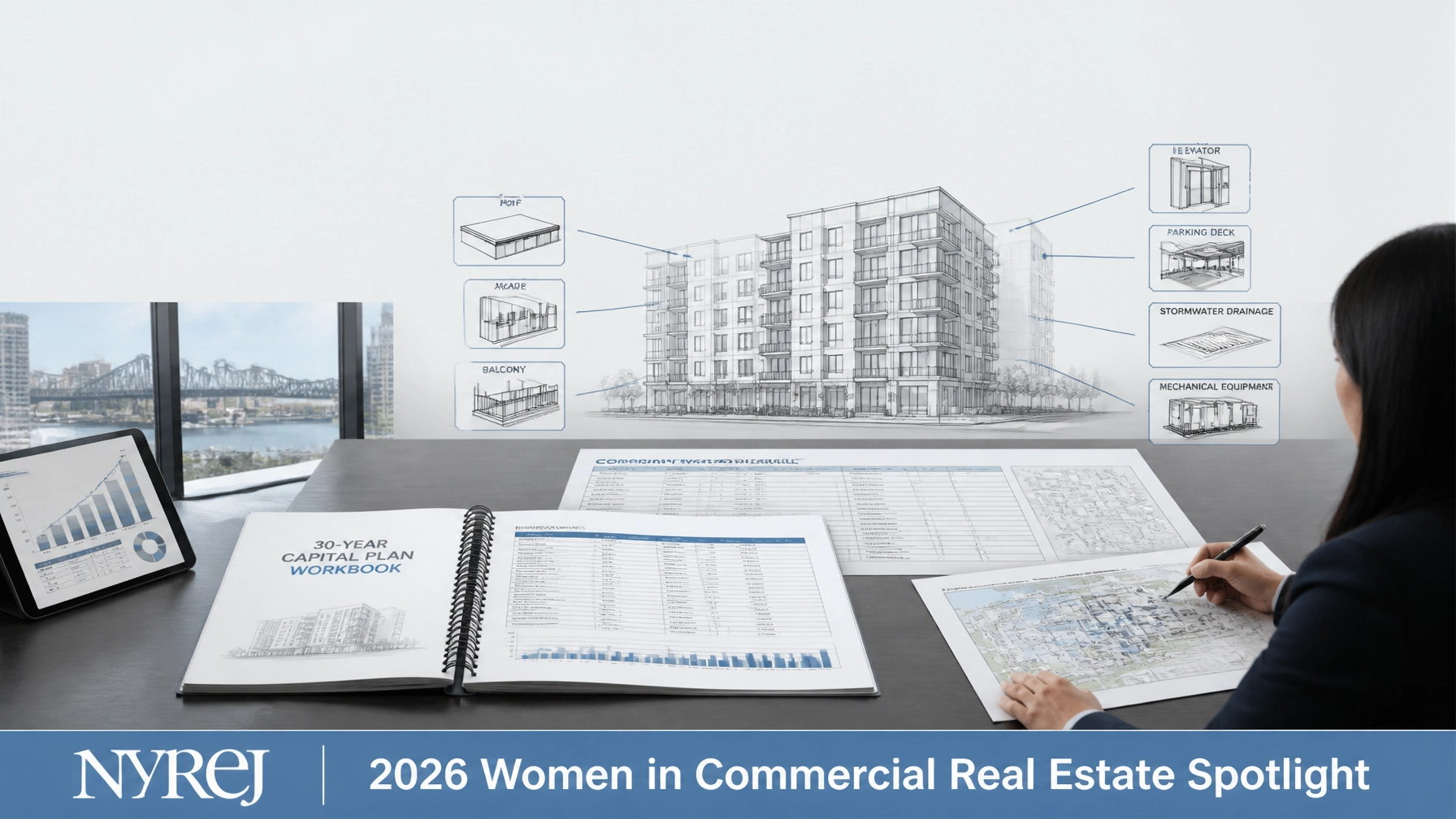
A reserve study NYC co-op condo board can use is more than a spreadsheet. It is a documented assessment of the building’s major components, remaining useful life, replacement cost, and funding requirements.
Envicon Group prepares board-ready reserve studies and long-term capital plans for buildings across Manhattan, Brooklyn, Queens, the Bronx, Staten Island, and Westchester.
What a reserve study should tell your board
A useful reserve study answers four direct questions:
- What does the association own and maintain?
- What condition is each major component in today?
- When will repair or replacement likely occur?
- How much should the association fund each year to prepare?
The study should connect physical conditions to financial decisions. It should not simply list systems and assign generic replacement dates.
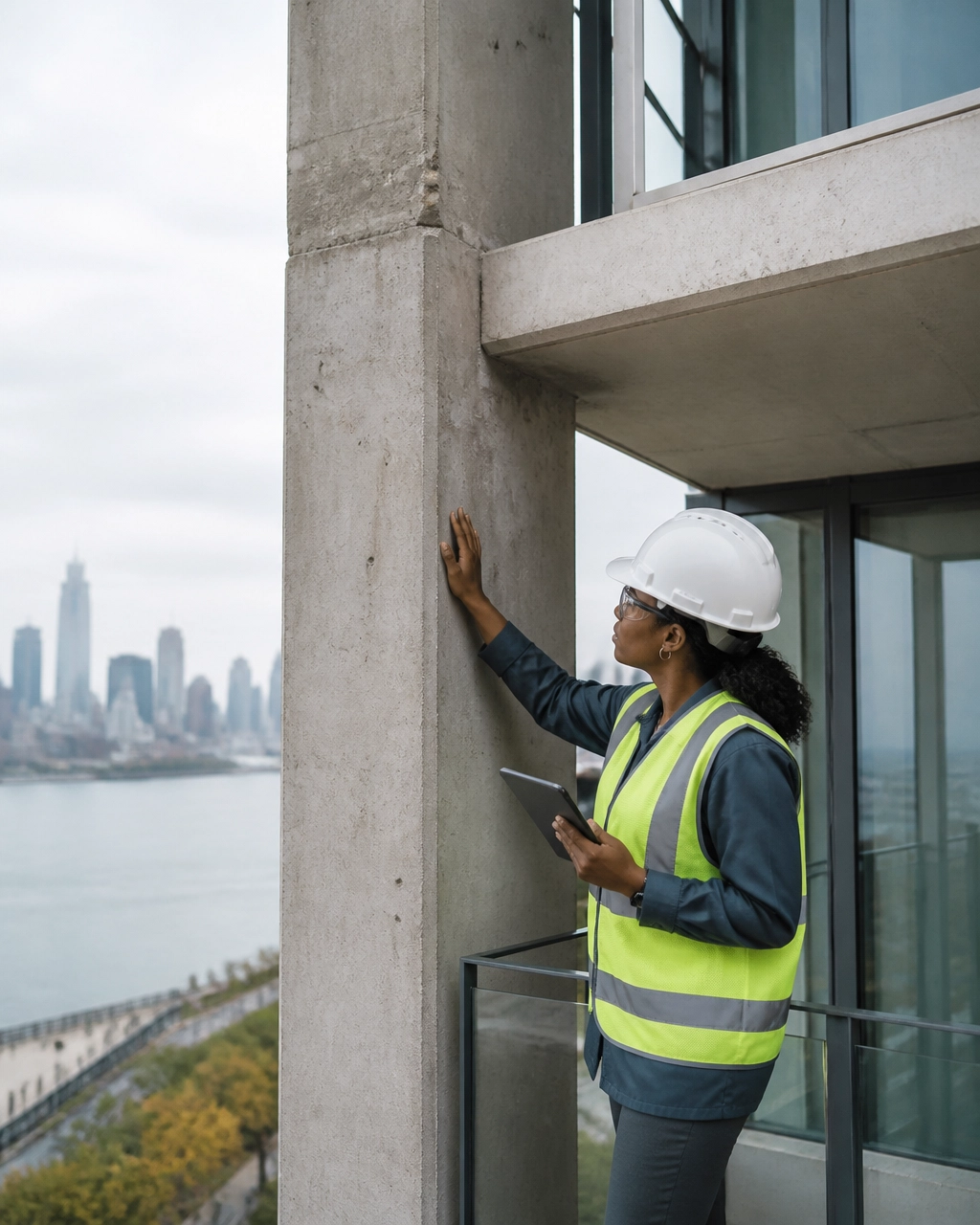
For example, a roof installed 18 years ago may have a different remaining life depending on drainage, ponding water, membrane repairs, insulation, rooftop equipment, and access conditions. A facade may require more than a routine maintenance allowance if an upcoming inspection identifies masonry deterioration, balcony repairs, or extensive pointing.
The quality of the capital plan depends on the quality of the field assessment.
Build a complete reserve component inventory
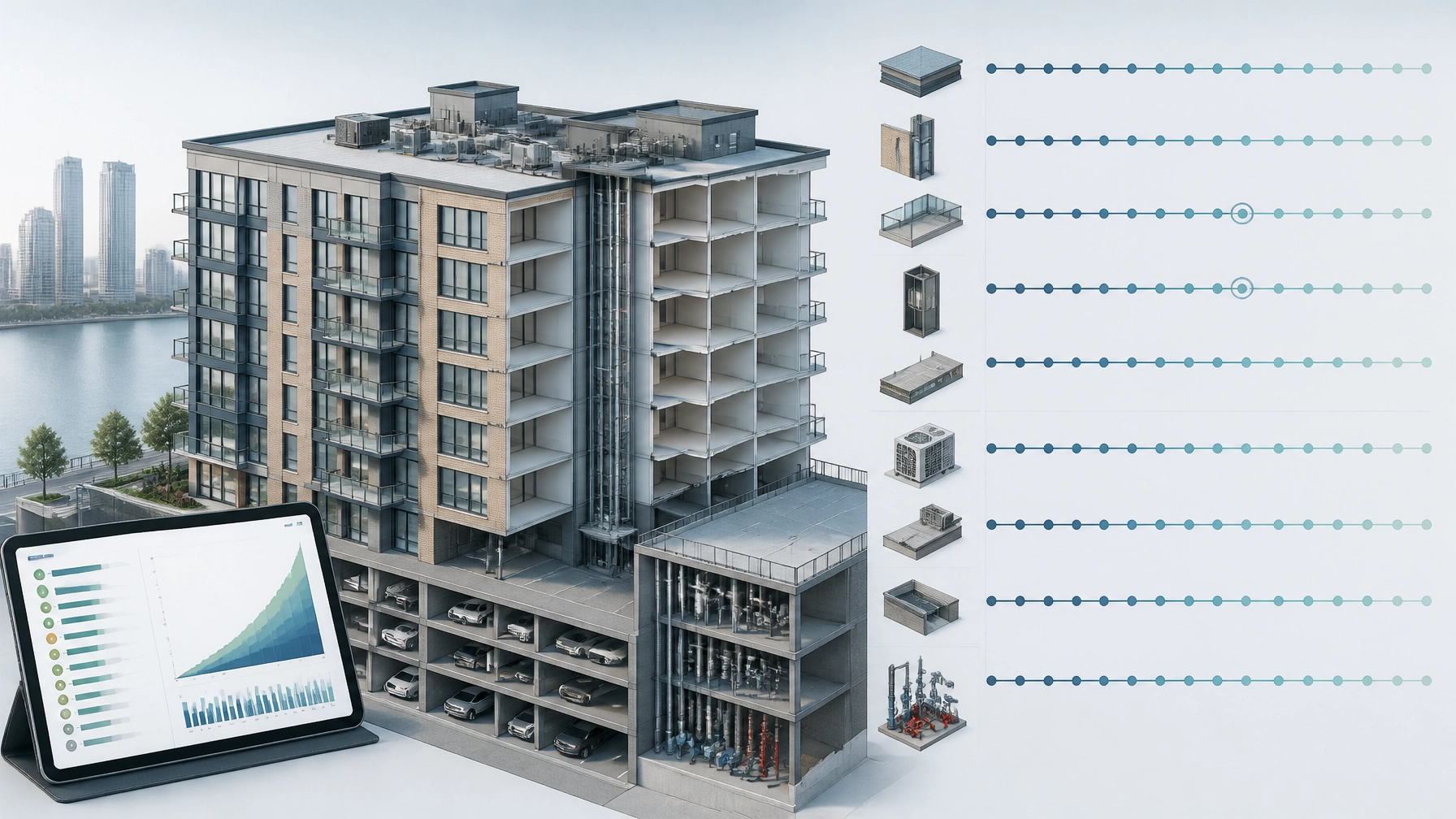
A reserve study begins with a component inventory. For an NYC co-op or condo, that inventory often includes:
- Exterior masonry, pointing, lintels, coping, balconies, and facade access systems
- Roof membranes, flashing, drains, insulation, railings, and rooftop equipment
- Elevators, controllers, machines, cab interiors, doors, and related modernization work
- Boilers, burners, pumps, heat exchangers, controls, and distribution piping
- Domestic water risers, drainage stacks, valves, pumps, and basement piping
- Electrical service, switchgear, distribution panels, emergency power, and lighting
- Windows, terrace assemblies, waterproofing, and plaza or sidewalk conditions
- Fire protection, sprinkler, standpipe, alarm, and life-safety equipment
- Garage, parking, retaining wall, courtyard, and site drainage elements
- Common-area finishes that require periodic renewal
The inventory should identify who owns each component and who is responsible for maintaining it. This distinction matters in condominiums, where the declaration and bylaws may divide responsibilities between the unit owner and the association.

Facade and roof cycles belong in the capital plan
Facade work is one of the largest potential capital expenses for an older NYC building.
Under NYC’s Facade Inspection & Safety Program, commonly known as FISP or Local Law 11, owners of buildings higher than six stories must arrange periodic exterior wall inspections and file the required report with the Department of Buildings. The current Cycle 10 filing windows extend into 2026 and beyond, depending on the building’s tax block and sub-cycle.
Boards should confirm their building’s requirements with a qualified exterior wall inspector and review the filing status through NYC Department of Buildings FISP guidance.
A reserve study should account for more than the inspection fee. It should consider:
- Scaffolding and sidewalk shed costs
- Access limitations on narrow streets or interior courtyards
- Masonry repair, pointing, lintel replacement, and waterproofing
- Balcony and appurtenance repairs
- Engineering, filing, permitting, and construction administration
- Potential escalation if repairs remain deferred
The same principle applies to the roof. A reserve study should document the roof type, installation history, repair history, drainage performance, insulation, rooftop penetrations, and likely replacement strategy.
For a reserve study Manhattan co-op, access, staging, neighboring properties, and street conditions can materially affect the budget. A roof or facade allowance copied from a suburban property will not reflect the cost of working in a dense Manhattan environment.
Elevator, boiler, plumbing, and electrical systems need lifecycle forecasting
Some of the most disruptive capital projects happen inside the building.
Elevator modernization can involve controllers, machines, door operators, cabs, hoistway equipment, and code-related upgrades. A reserve study should distinguish between routine maintenance, component replacement, and full modernization.
Boiler planning requires similar discipline. The study should consider equipment age, fuel type, efficiency, controls, combustion conditions, heating distribution, and the building’s longer-term emissions strategy.
Local Law 97 also makes mechanical and building-envelope decisions more important for many covered NYC properties. The NYC Department of Buildings Local Law 97 guidance outlines reporting and emissions requirements for covered buildings. The 2026 reporting cycle addressed prior-year emissions, while owners must continue planning for future compliance periods.
That makes a reserve study part of a broader capital strategy. A board may need to compare:
- Repairing an existing boiler
- Replacing the boiler with a higher-efficiency system
- Converting fuel or heating distribution systems
- Improving the envelope to reduce energy demand
- Combining mechanical work with roof or facade access
- Phasing projects around available financing and building operations
For a condo reserve study Brooklyn, especially in an older converted industrial or loft building, the component inventory may also need to account for unusual structural grids, large open floor plates, older service equipment, and difficult riser access.
Deferred maintenance changes the funding conversation
Deferred maintenance is not the same as a future reserve project.
A reserve study should separate:
- Immediate health, safety, or water-intrusion concerns
- Repairs needed within one to three years
- Planned replacements within the 5-to-10-year window
- Long-term capital needs over a 20-to-30-year horizon
If a roof is already failing, the board cannot treat the full replacement as a future reserve expense. If a facade condition requires corrective work, the study should identify that work separately from routine lifecycle replacement.
This distinction helps owners understand why the current reserve balance may not be enough. It also gives the board a defensible basis for deciding whether to use reserves, increase common charges, pursue a loan, or approve a special assessment.
Use funding scenarios instead of one false-precision number
A strong NYC building reserve fund study should show more than one annual contribution number.
We recommend comparing scenarios such as:
- Baseline contributions with planned capital spending
- Increased annual contributions to reduce special-assessment risk
- A phased funding plan tied to project timing
- A scenario that assumes financing for one major project
- A conservative scenario with higher construction-cost escalation
- A scenario that includes identified deferred maintenance
Each scenario should show projected reserve balances, major expenditures, annual contributions, and the years when funding pressure increases.
The goal is not to predict the future perfectly. The goal is to give the board enough visibility to make decisions before the building reaches a crisis point.

Coordinate the reserve study with other property assessments
A reserve study should not operate in isolation.
Boards and property managers should consider coordinating it with:
Structural inspections
A structural inspection can identify conditions that materially change the reserve schedule. Facade attachments, balconies, retaining walls, parking structures, roof framing, and other load-bearing elements may require a separate evaluation.
Envicon’s structural inspection services can be coordinated with the reserve component review where appropriate.
Asbestos and lead surveys
Renovation or replacement work may disturb suspect materials. Before mechanical-room work, riser replacement, facade access, or major common-area renovations, the board should understand whether asbestos-containing materials or lead-based coatings could affect scope, worker protection, disposal, or schedule.
See Envicon’s asbestos and lead survey services.
Property condition assessments
A property condition report can provide a broader review of building condition, particularly when the association is refinancing, reviewing a capital loan, evaluating a major acquisition, or preparing for a change in ownership.
Envicon’s property condition report service can be paired with a reserve study to create one coordinated capital-planning record.
Civil and site engineering
Drainage failures, basement water, sidewalk conditions, courtyard settlement, site utilities, and stormwater issues can create capital obligations outside the building envelope.
Our civil and geotechnical engineering team supports site and infrastructure scopes that may need to be included in a long-term plan.
A practical 2026 checklist for NYC boards
Before approving a reserve study or updating an outdated one, gather:
- Prior reserve studies and capital plans
- Current reserve balance and investment information
- Annual operating and capital budgets
- Five years of repair invoices and service records
- Facade inspection reports and DOB filing information
- Roof warranties, leak logs, and repair history
- Elevator service and modernization records
- Boiler and heating-system records
- Plumbing, electrical, and life-safety inspection records
- Recent engineering reports and open violations
- Governing documents that define association responsibilities
- Current or anticipated financing requirements
Then ask the consultant to identify what is known, what requires further investigation, and what assumptions drive the funding model.
This approach applies across the city. A capital planning Queens co-op may face different roof, utility, and site conditions than a high-rise in Manhattan. A reserve study for an aging multifamily building New York should reflect the actual building, not a generic regional template. The same is true for buildings in the Bronx, Staten Island, and Westchester.
You can review Envicon’s local coverage for Manhattan, Brooklyn, Queens, the Bronx, Staten Island, and Westchester County.
New York does not have a universal reserve-study mandate
As of September 2026, New York does not impose one universal statewide requirement that every existing co-op and condo complete recurring reserve studies.
Boards should not confuse proposed legislation with current law. For example, New York Assembly Bill A8945 proposed capital reserve study and funding requirements, but boards should confirm the current legal status of any legislation with association counsel.
That does not make reserve planning optional from a business standpoint. Lenders, insurers, purchasers, unit owners, and future boards all benefit from a clear record of building condition and capital obligations. Specific requirements such as FISP and Local Law 97 also create deadlines and costs that need to appear in the capital plan.
The takeaway
A reserve study gives an NYC co-op or condo board a practical way to move from reactive repairs to controlled capital planning.
The right study should:
- Inventory the building’s actual common components
- Separate deferred maintenance from future replacements
- Forecast facade, roof, elevator, boiler, plumbing, and electrical work
- Model multiple funding scenarios
- Coordinate with structural, asbestos, and property condition assessments
- Reflect local construction access, pricing, and regulatory requirements
- Give the board a clear basis for decisions
Envicon Group combines licensed engineering oversight, field assessment, environmental coordination, and capital planning for properties across the New York metropolitan area. We do not just deliver a report. We help your board understand what comes next and prepare before the next major project becomes an emergency.
Capital Planning Consultation
Request a capital planning consultation
Call Envicon Group at (917) 764-2171
Review Envicon’s reserve study services