If you’re a developer in New York, the calendar just flipped to June 12, 2026, and the ground beneath your project has shifted.
The State Environmental Quality Review Act (SEQRA) isn't what it was yesterday. With the official implementation of the 2024 Environmental Justice (EJ) Siting Law, the definition of a "significant impact" has been fundamentally rewritten. It’s no longer just about whether your project creates noise or traffic; it’s about whether your project adds even a "de minimis" amount of stress to a community that has already had enough.
At Envicon Group, we’ve spent the last 20 years navigating the shifting sands of NYC and NJ regulations. We’ve seen firms get buried in 500-page academic reports that don't actually move the needle. This new law requires a different approach: one that is field-first, technically precise, and grounded in the reality of what New York State Department of Environmental Conservation (DEC) and the Office of Environmental Remediation (OER) are actually looking for.
The Technical Shift: From Project Impacts to Cumulative Burdens
Under the old SEQRA framework, significance was largely isolated. You measured your project’s specific emissions, its specific traffic contribution, and its specific footprint. If those numbers fell below a certain threshold, you moved toward a Negative Declaration.
As of June 12, 2026, that isolated view is dead. The new amendments to 6 NYCRR Part 617 (the SEQRA regulations) require lead agencies to treat any project that may cause or increase a disproportionate pollution burden on a disadvantaged community (DAC) as a potentially significant impact.
This triggers a mandatory Environmental Impact Statement (EIS).
The new significance criteria include:
- Proximity: Is your site within a DAC or within a 1/2 mile of one?
- Cumulative Stressors: Does the census tract already suffer from high rates of asthma, lead exposure, or socioeconomic stressors?
- The "De Minimis" Rule: For new projects in these areas, the DEC is now prohibited from issuing permits if the pollution contribution is anything more than negligible.
Mapping the "Disadvantaged Community" (DAC)
To implement this, the state has launched the Disadvantaged Community Assessment Tool (DACAT). This isn't just a map; it’s a high-stakes scoring system. It combines environmental burden scores with population vulnerability metrics.
If your project is sitting in one of these tracts, your Environmental Assessment Form (EAF) just got a lot more complicated. The revised EAFs now include targeted environmental justice questions that flag potential impacts at the earliest stage of review.

Why Big-Box Firms Will Fail You Here
The national "big-box" firms have a standard playbook for SEQRA. They hire a team of academic writers to produce a bloated, defensive report designed to protect the consultant’s liability. They treat EJ requirements as a checkbox exercise: a data dump from a national database that doesn’t reflect the actual street-level conditions in Hudson County or the Five Boroughs.
In the 2026 regulatory environment, that academic fluff is a liability.
When you submit a report that lacks regional fluency, you’re not just risking a delay; you’re inviting a rejected submittal. A rejected submittal means re-mobilization, re-sampling, and re-billing. It means your lender loses patience and your carry costs skyrocket.
At Envicon, we don’t sell reports; we sell cleared paths. We know the reviewers at the NYSDEC and NYC Parks by name. We understand that "collaboration" isn't a buzzword: it’s how you get a reviewer to see that your remedial design actually reduces the existing burden on a community by cleaning up a legacy brownfield.
The Envicon Approach: Field-First, Tech-Forward
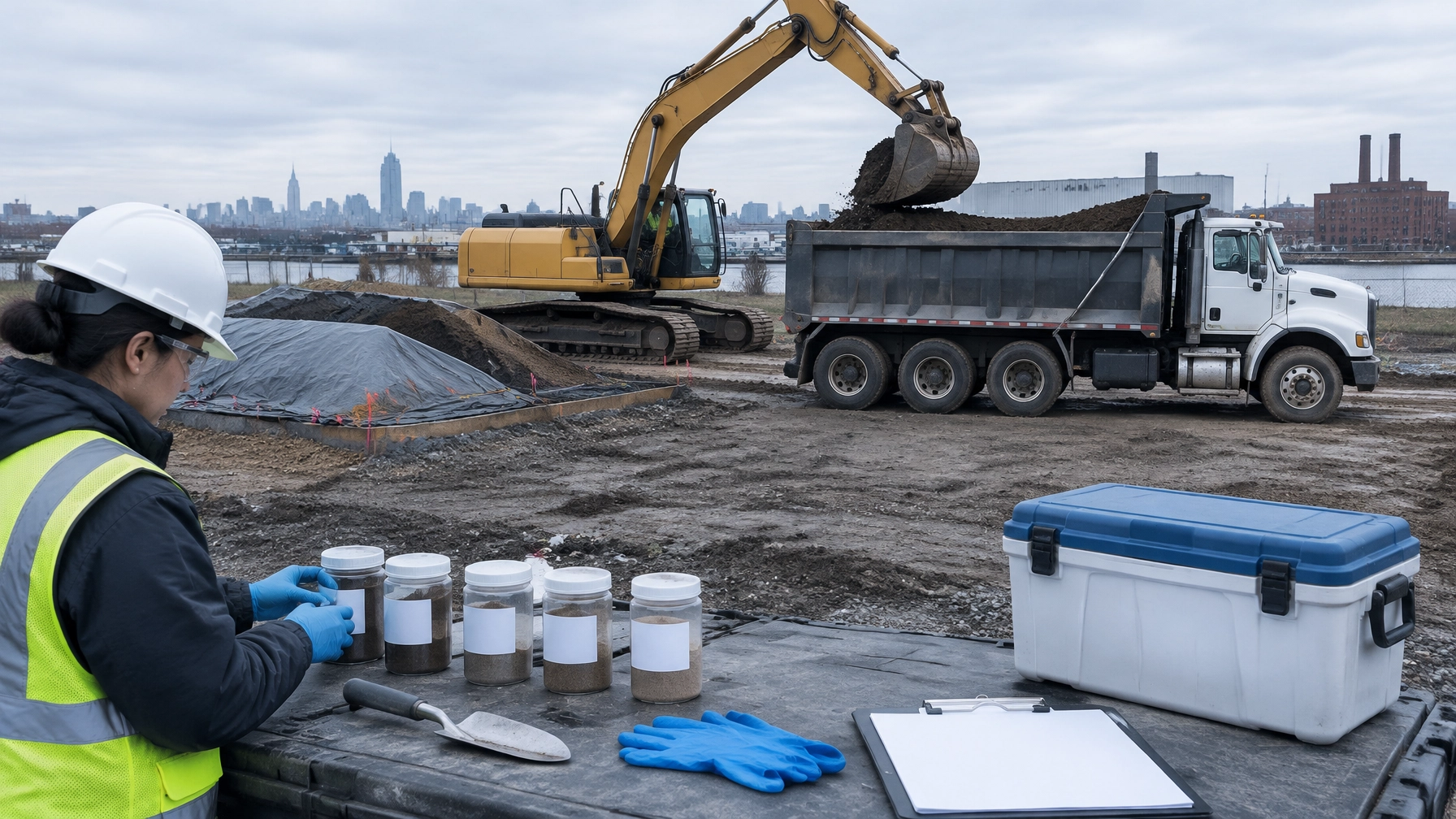
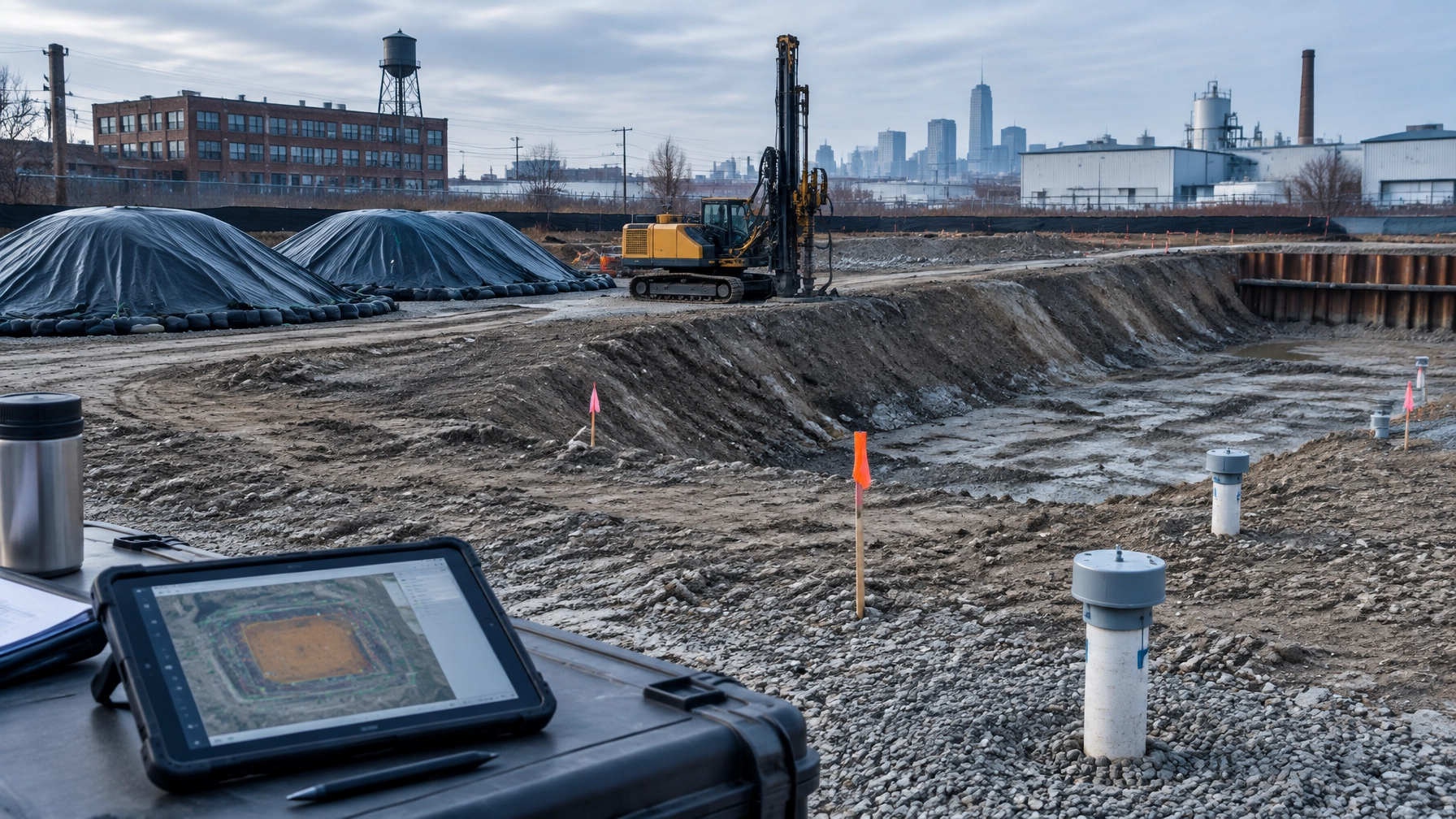
We don't wait for a regulator to flag a report. We use our proprietary technology and project management infrastructure to run the numbers before we even break ground.
- Direct Coordination: You talk to the engineer standing on your site, not a project manager reading notes from a regional office.
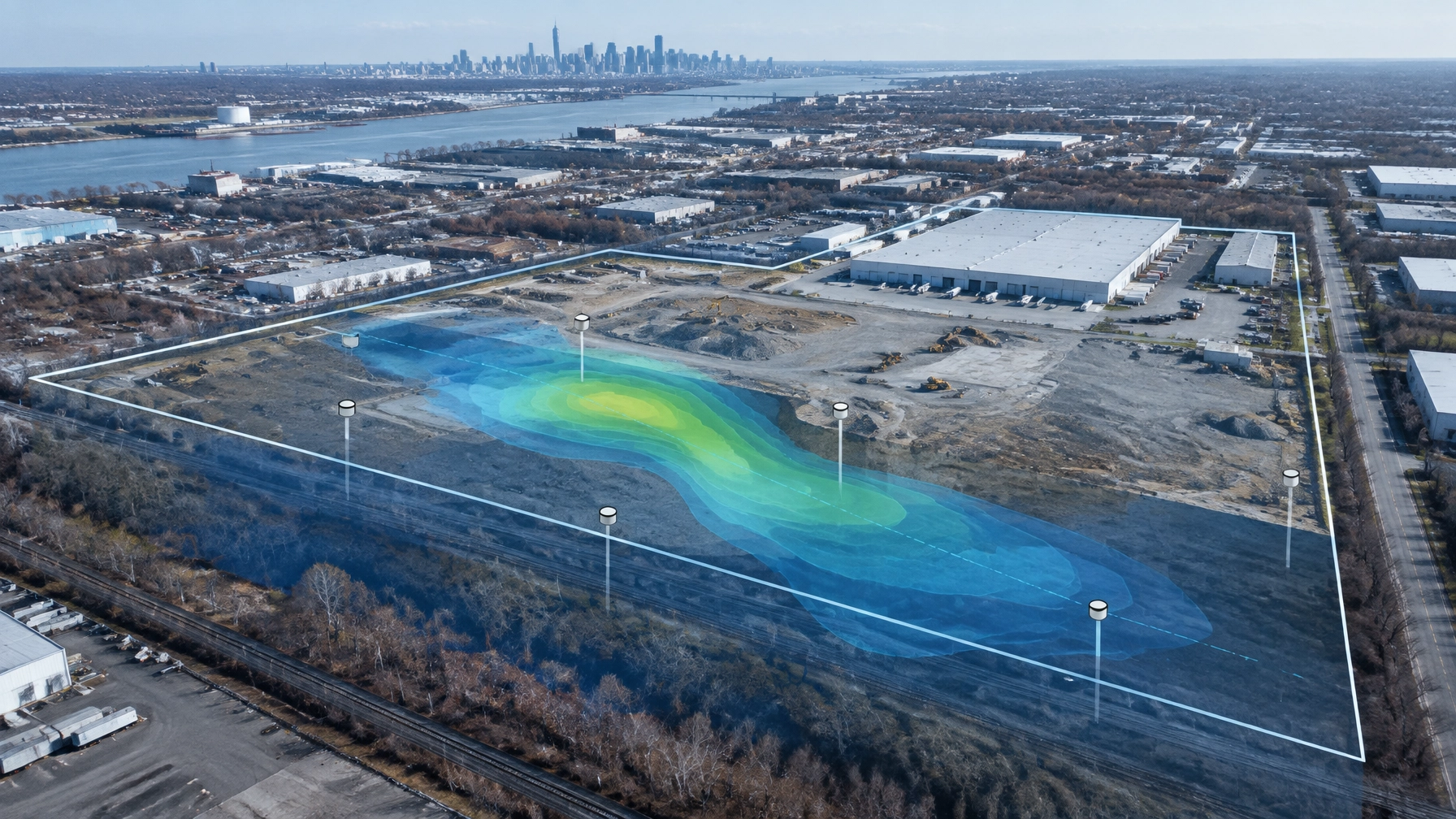
- Precision Mapping: We use site-specific data to challenge generic DACAT scores when they don't reflect the actual conditions on the ground.
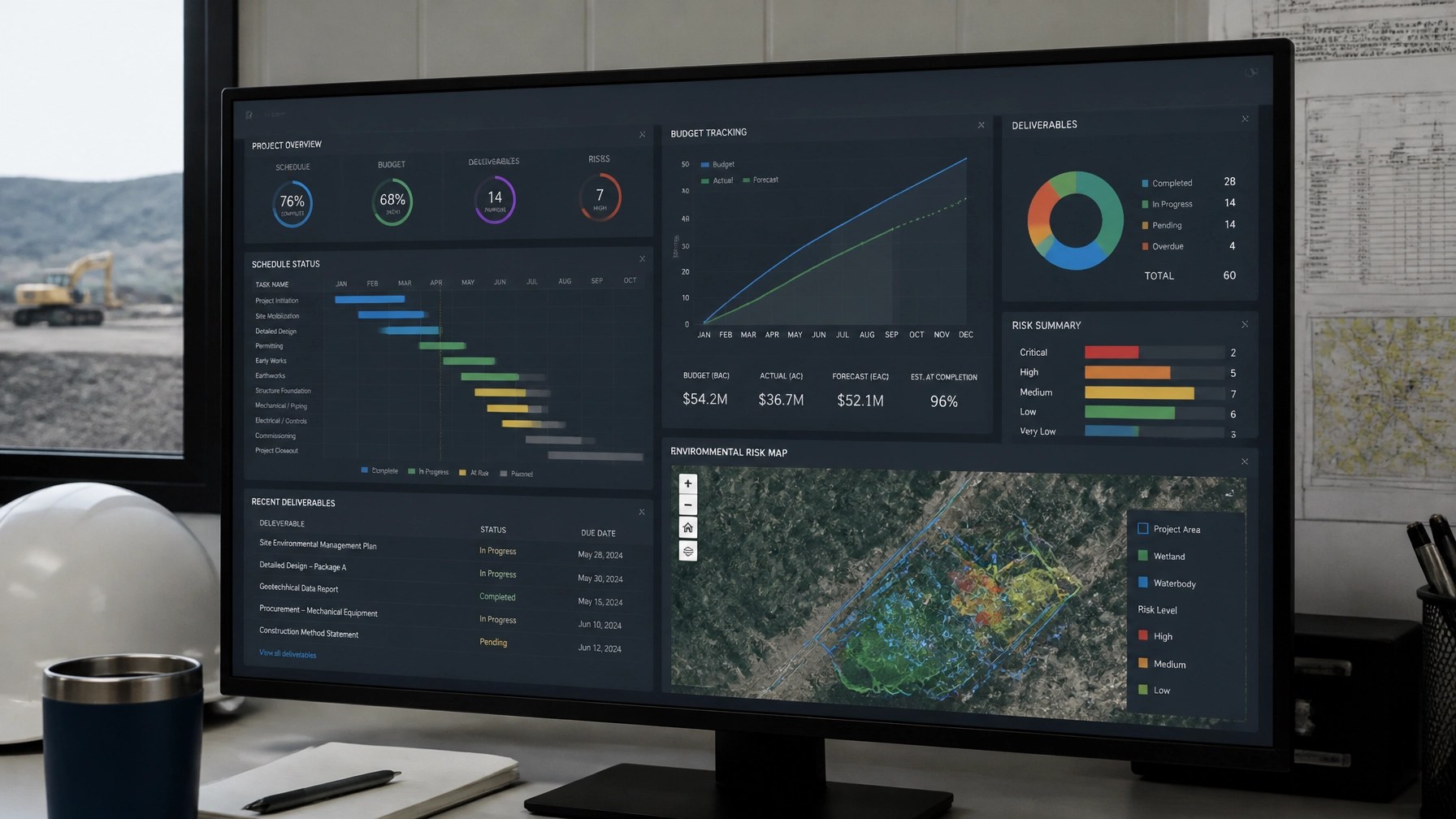
- Transparent Data: Our clients get real-time dashboards. You see the schedule, the budget, and the deliverable status as it happens. No monthly PDFs that are already outdated.
"Integrity is not just ethical behavior: it is about delivering the truth and never cutting corners." : Envicon Group Mission
Navigating the "Significant Increase" Threshold
For existing facilities, the stakes are just as high. The June 12 amendments state that the DEC shall not issue a permit if a project "significantly increases" the existing disproportionate pollution burden.
What defines a "significant increase"? It’s a project-specific, cumulative-impact analysis. If your current consultant is giving you "cookie-cutter" answers, you are flying blind. You need an advocate who understands the technical thresholds for air emissions, noise, and waste generation and can design cleanup strategies tailored to these new regulatory endpoints.
Summary: The Path to Closure
The new Environmental Justice Siting Law has turned SEQRA into a proactive social and technical hurdle. You can either hire a firm that will write a report about the problem, or you can hire Envicon to solve it.
- Understand the DACAT: Identify if you are within 1/2 mile of a disadvantaged community immediately.
- Update Your EAF: Ensure your Environmental Assessment Form addresses cumulative stressors with site-specific data.
- Avoid the Academic Trap: Demand deliverables that are built for regulatory scrutiny, not just for the files.
We’ve spent 20 years turning contaminated sites into buildable assets. We’re ready for June 12, 2026. Are you?
Take the Next Step
Don't let your project sit in someone's queue while carrying costs pile up. Get the technical precision and regional fluency your site deserves.
- Risk Screener Tool: Evaluate your site’s environmental risk now.
- Stay Informed: Read more technical insights on our blog.
- Full Capability: Explore our core services and digital solutions.