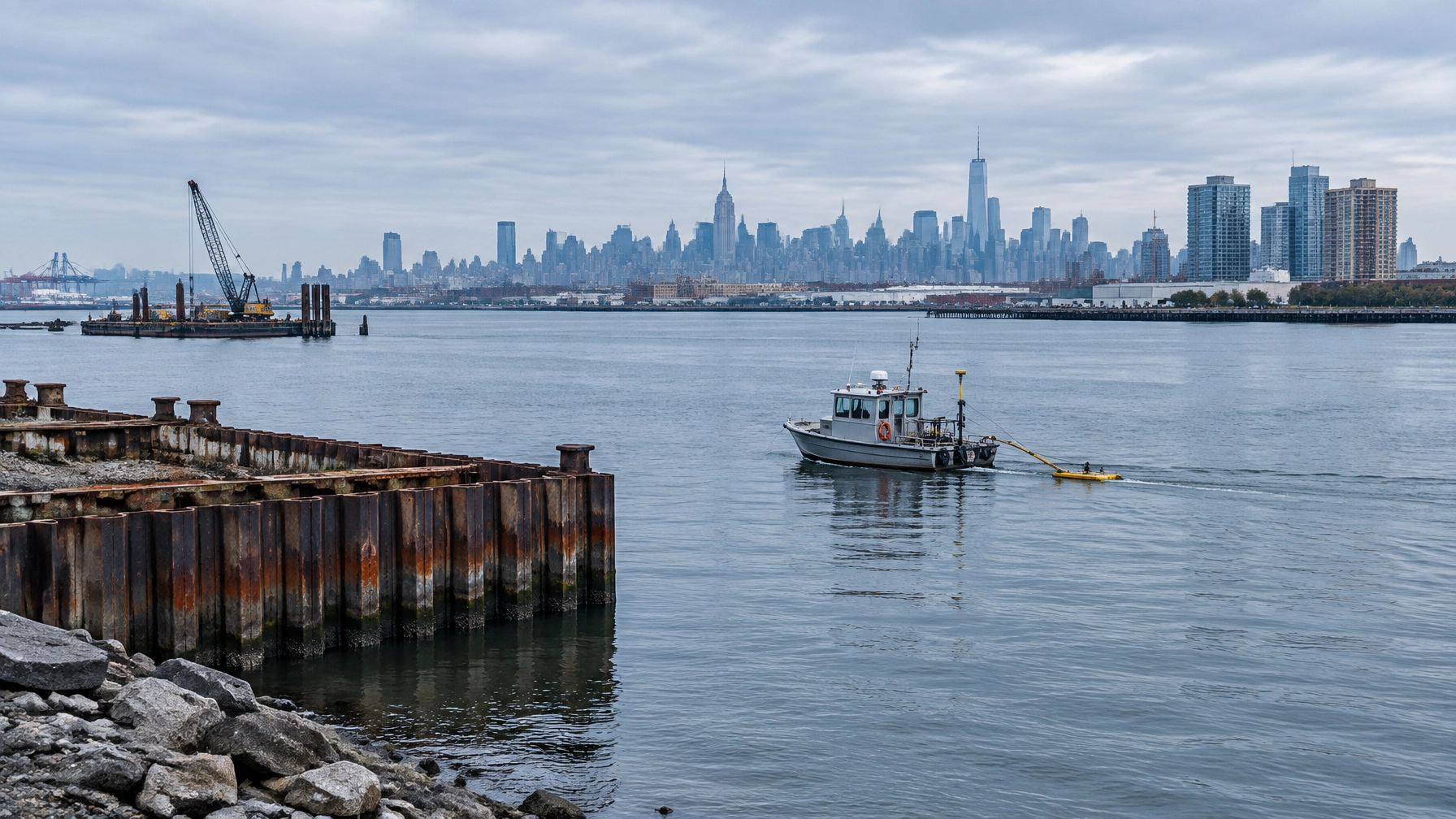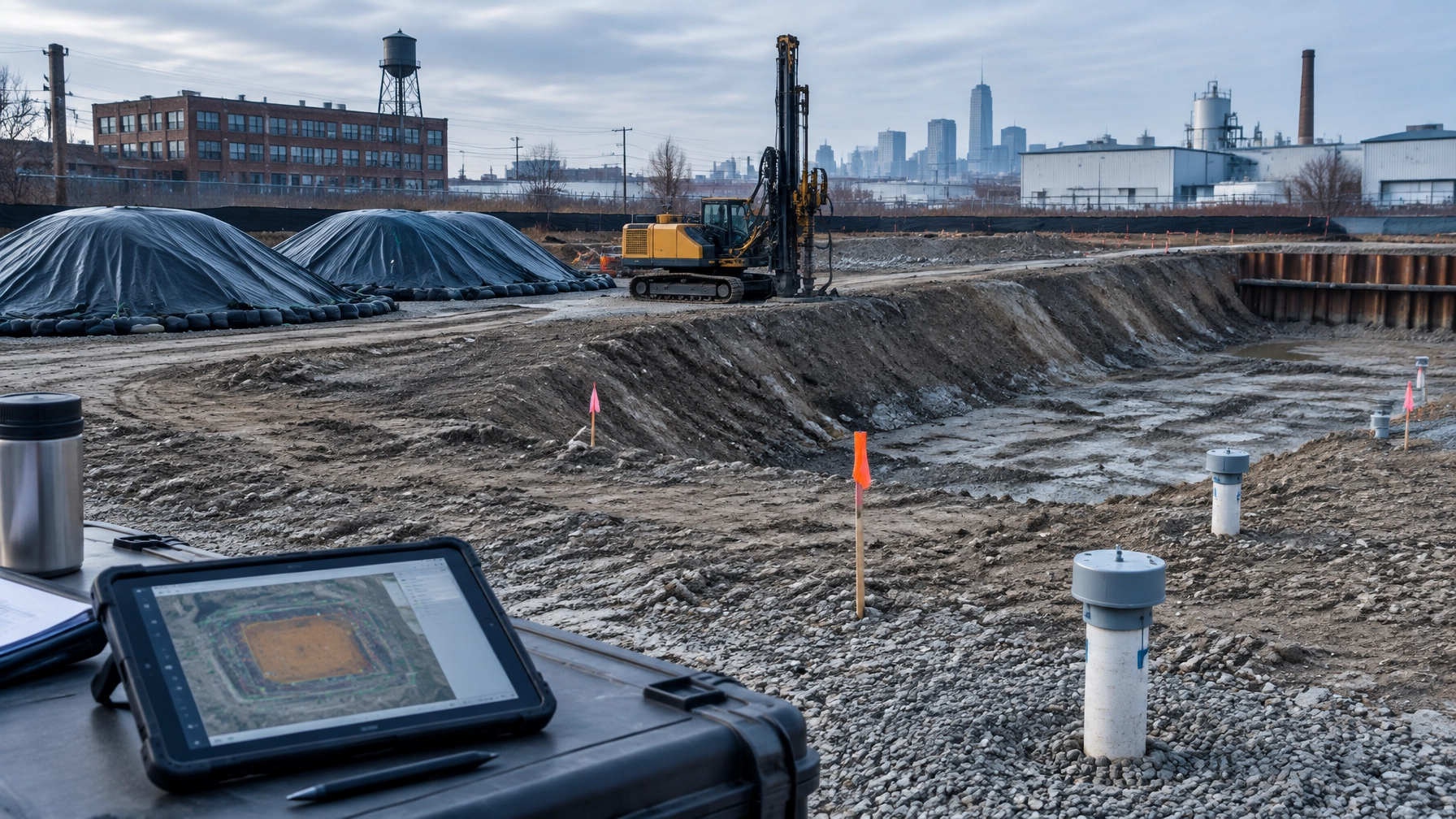
In urban redevelopment, the past is never truly buried, especially in cities like New York and Newark where history is often written into the ground. Now, with new federal and state-level soil regulations, that legacy is taking on fresh significance for developers, landowners, and city planners.
EPA Lowers Lead Thresholds in Residential Soil
In January 2024, the U.S. Environmental Protection Agency (EPA) finalized a major revision to its soil lead hazard standards, marking the first significant update in over a decade. The new rules cut the allowable concentration of lead in residential soil at Superfund and brownfield cleanup sites by half, from 400 parts per million (ppm) to 200 ppm. In areas with multiple sources of lead exposure, such as properties with legacy plumbing or lead-based paint, the standard drops further to 100 ppm.
This shift reflects a growing scientific consensus: there is no safe level of lead exposure, particularly for children. The new EPA benchmarks are rooted in decades of health data and are already influencing local policy.
NJDEP Adopts Stricter Soil Cleanup Standards
In May 2024, the New Jersey Department of Environmental Protection (NJDEP) adopted the EPA’s 200 mg/kg limit for residential properties, aligning state remediation requirements with the updated federal thresholds. This change effectively lowers the threshold for triggering cleanup across most redevelopment sites, including brownfields and legacy industrial parcels.
For developers and property owners, this means tighter margins, increased scrutiny, and more rigorous predevelopment planning.
Why It Matters: Risk, Cost, and Compliance
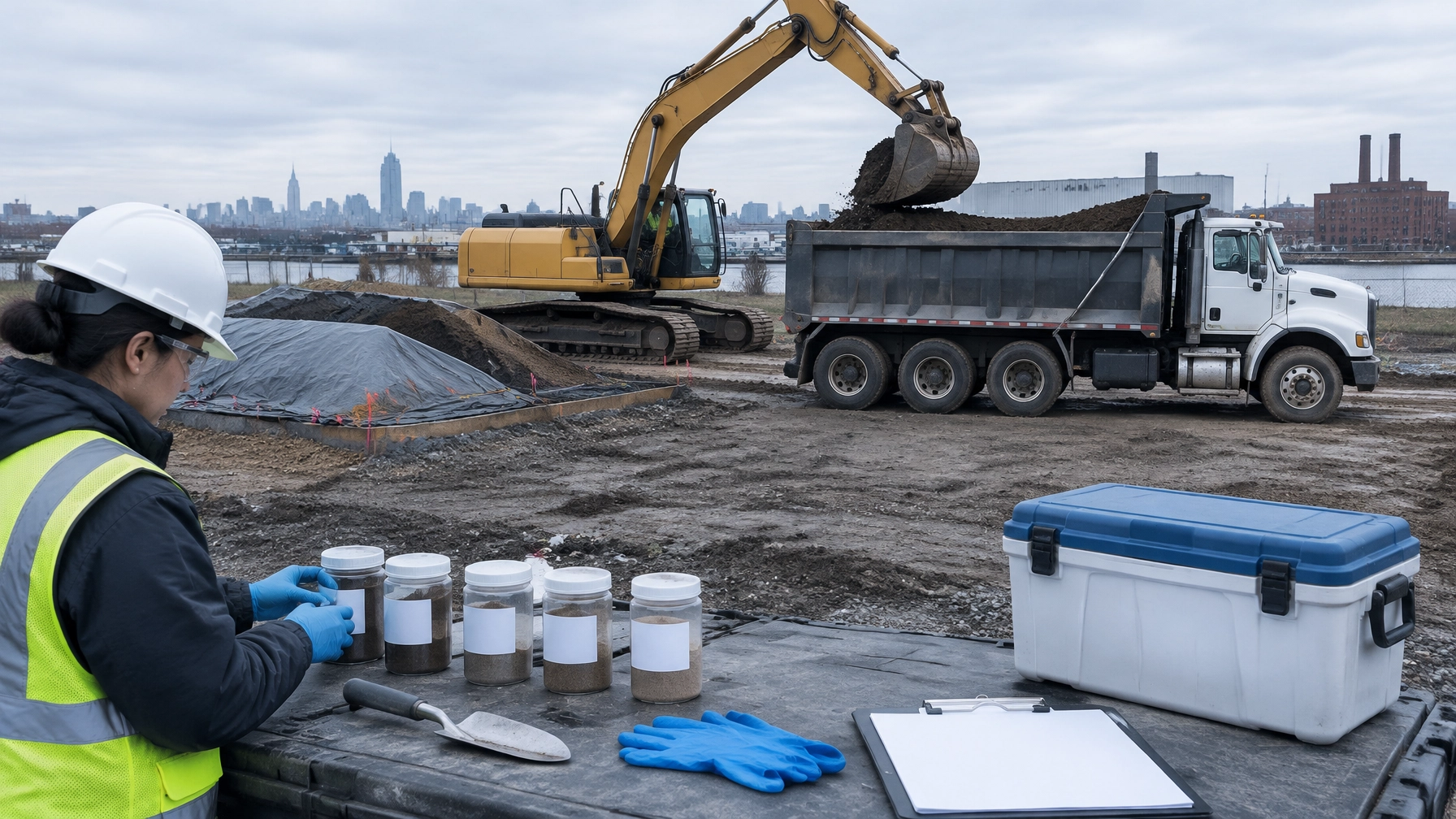
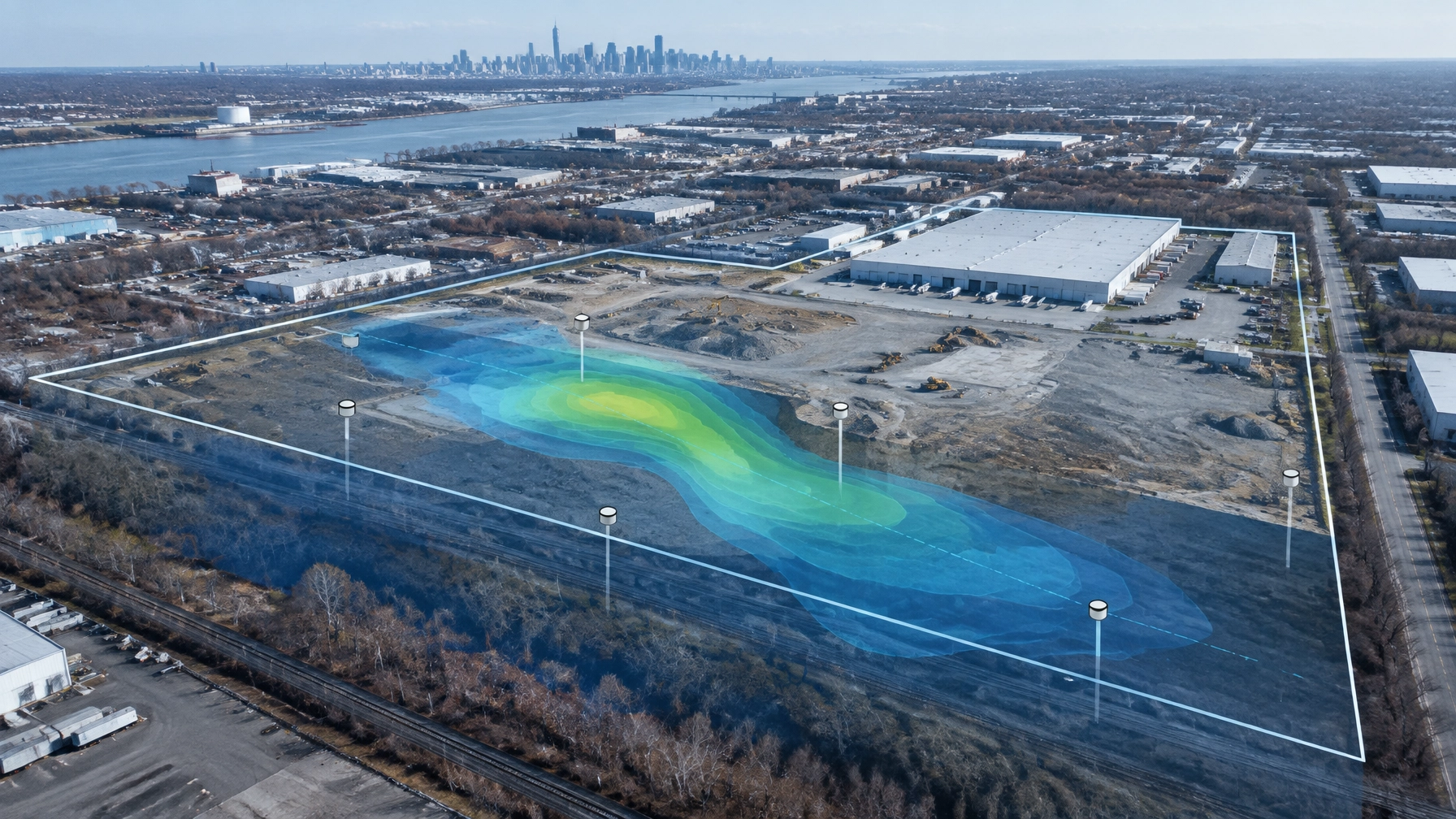
Consider a vacant site in Jersey City that previously recorded a lead content of 350 ppm. Under earlier standards, that parcel might have required limited controls or no action at all. Today, that same property likely demands a full Remedial Action Work Plan (RAWP), regulated soil removal, and potential long-term monitoring.
Projects in predesign or early permitting stages may need to:
- Update outdated Phase I/II environmental assessments
- Recalculate soil export volumes and budgets
- Redesign drainage and stormwater plans to address soil constraints
- Revisit compliance timelines or negotiate amended cleanup agreements
The Brownfield Cleanup Program and Redevelopment
Sites enrolled in the New York State Brownfield Cleanup Program (BCP) or operating under a Consent Order with the NYSDEC will face tighter oversight under these new standards. Projects relying on legacy soil sampling or outdated modeling will likely be flagged during regulatory review.
There is an upside. Tighter health-based cleanup targets often unlock enhanced state or federal funding, including brownfield tax credits, environmental justice grants, and access to revolving loan funds.
What Developers and Owners Should Do Now
At Envicon, we’re advising our clients to take a proactive stance. If you’re working on projects in New York or New Jersey, here’s what to do next:
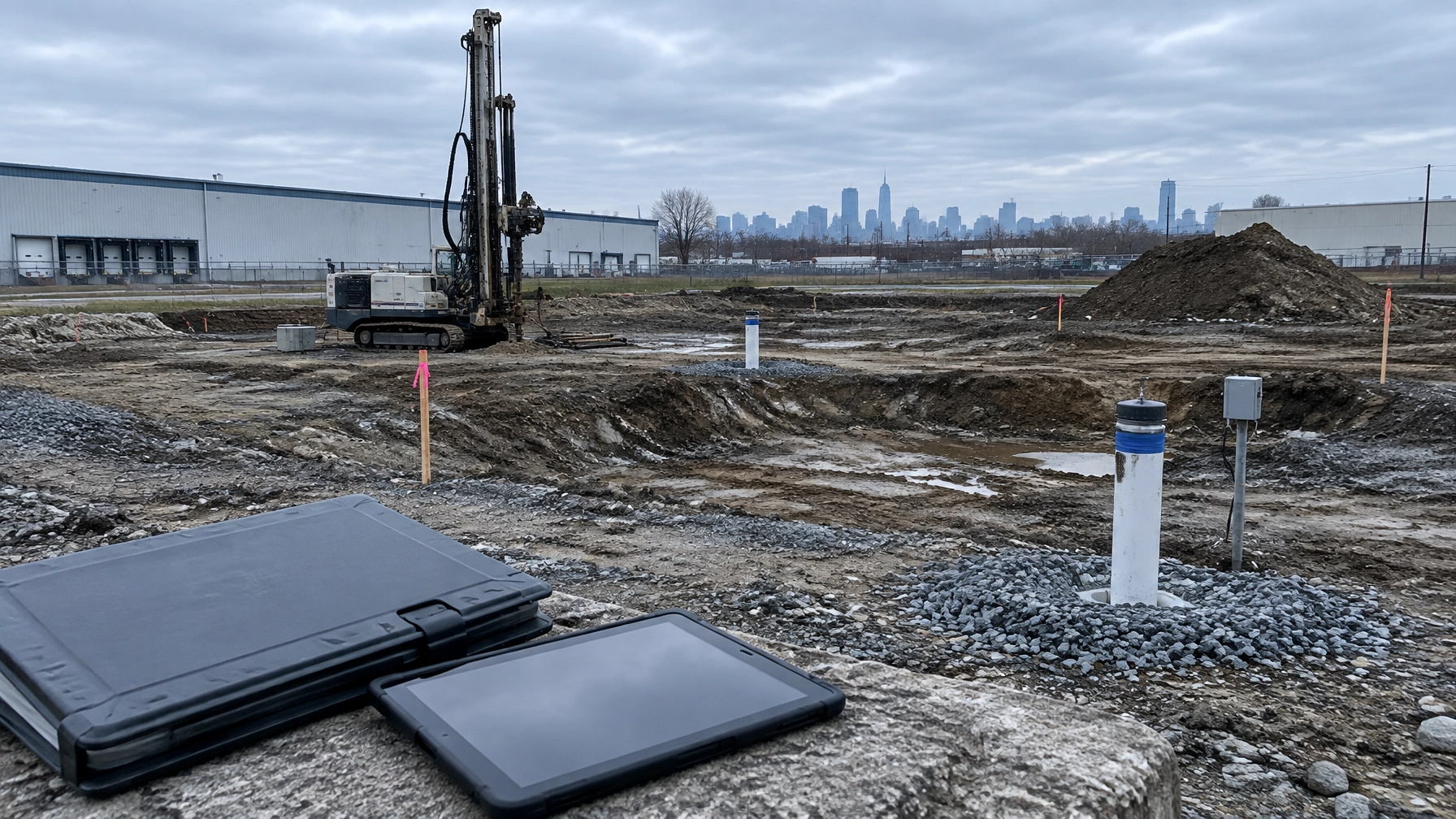
- Refresh your data: If your Phase I/II ESA is more than two years old or predates 2024, get it updated.
- Reassess soil handling needs: Even moderately contaminated sites may now require offsite disposal under new thresholds.
- Design with remediation in mind: Smart grading and engineered capping strategies can reduce or eliminate excavation.
- Engage your environmental team early: Early modeling can save money and mitigate delays later.
Looking Ahead
The EPA’s updated lead standards are a regulatory shift and also a development signal. They push our region toward safer, healthier urban spaces while raising the bar for environmental performance. In practice, they require more thorough predevelopment planning, stronger remediation designs, and better alignment between health goals and land use strategies.
At Envicon, we specialize in navigating this evolving regulatory landscape. Whether you’re assembling a pro forma or breaking ground, we’ll help you strike the right balance between compliance and constructability because better standards should lead to better projects.d if you’re planning a project in this region, we can help you walk that line between opportunity and obligation—without falling through the cracks.