

New Jersey Insights — Page 4
Environmental consulting and engineering articles for New Jersey projects: NJDEP, LSRP, SRRA, Real Rules flood standards, brownfields and site remediation. Page 4 of 23.
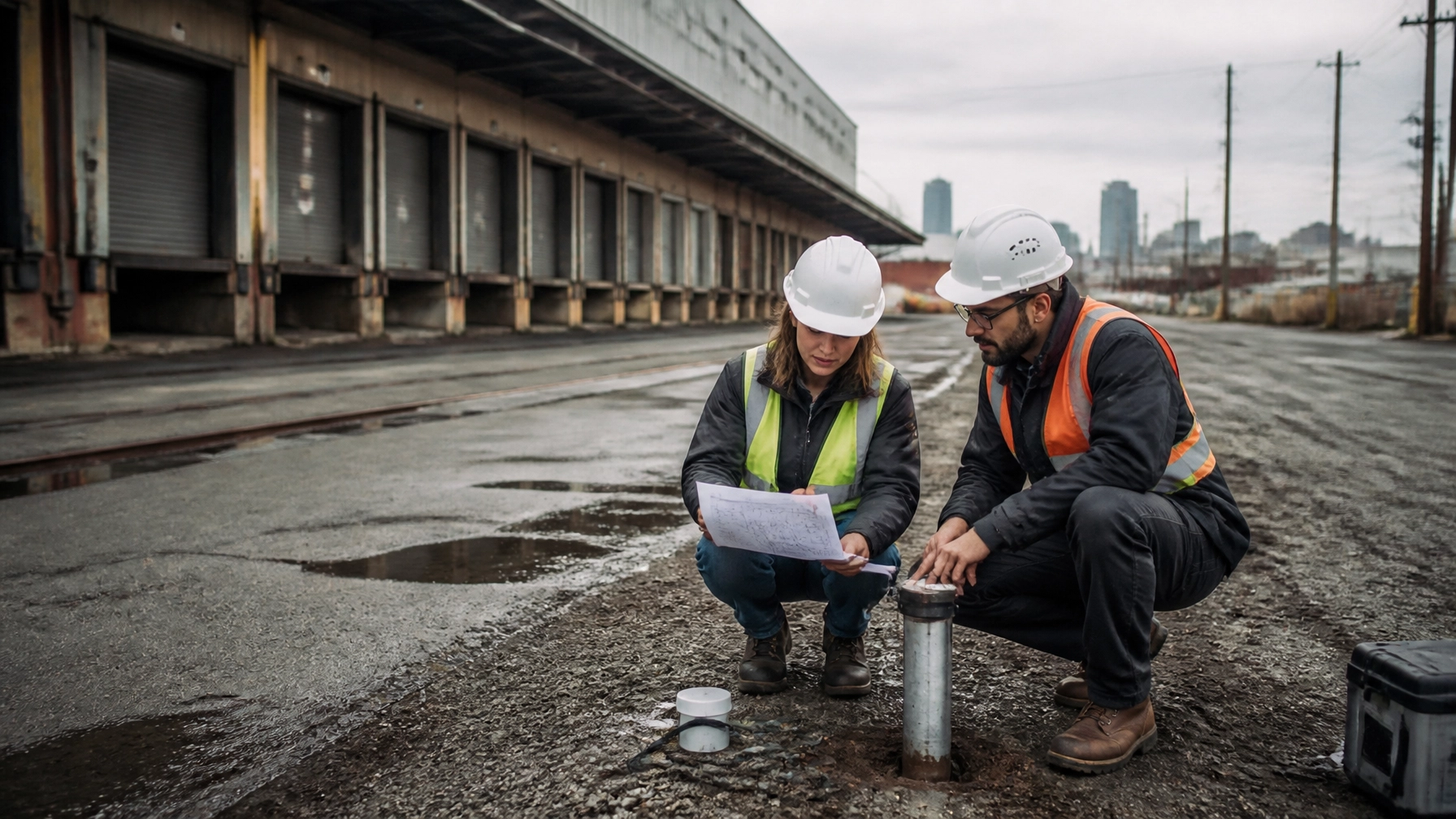
NJ Environmental Due Diligence for Warehouse Acquisition: Phase I ESA, USTs, Historic Fill, and LSRP Risk
A warehouse acquisition in Newark, Jersey City, Hoboken, Bayonne, Bergen County, or Essex County is not just a building transaction. The property may carry environmental obligations tied to former manufacturing, fuel storage, rail activity, waterfront filling, industrial waste, or regulated operations. That is why NJ environmental due diligence for warehouse acquisition must go beyond a […]
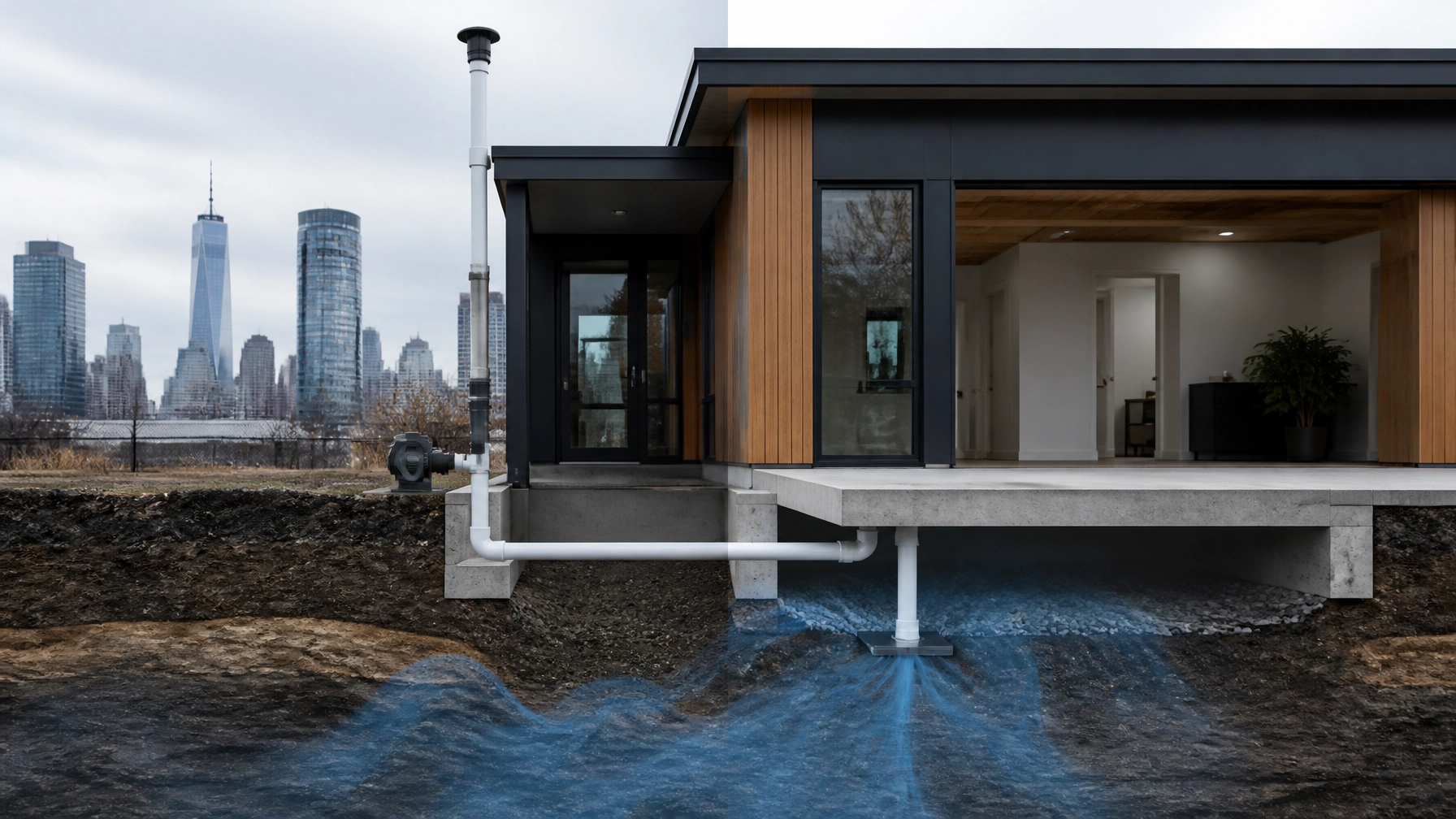
Vapor Intrusion Mitigation Systems: The NYC and NJ Design, Installation, and Closing Guide
Vapor intrusion mitigation systems protect building occupants when volatile organic compounds, or VOCs, migrate from contaminated soil or groundwater into indoor air. For developers, lenders, attorneys, and property owners in New York and New Jersey, the question is not simply whether a system can be installed. The real questions are: What pathway is active? Which […]
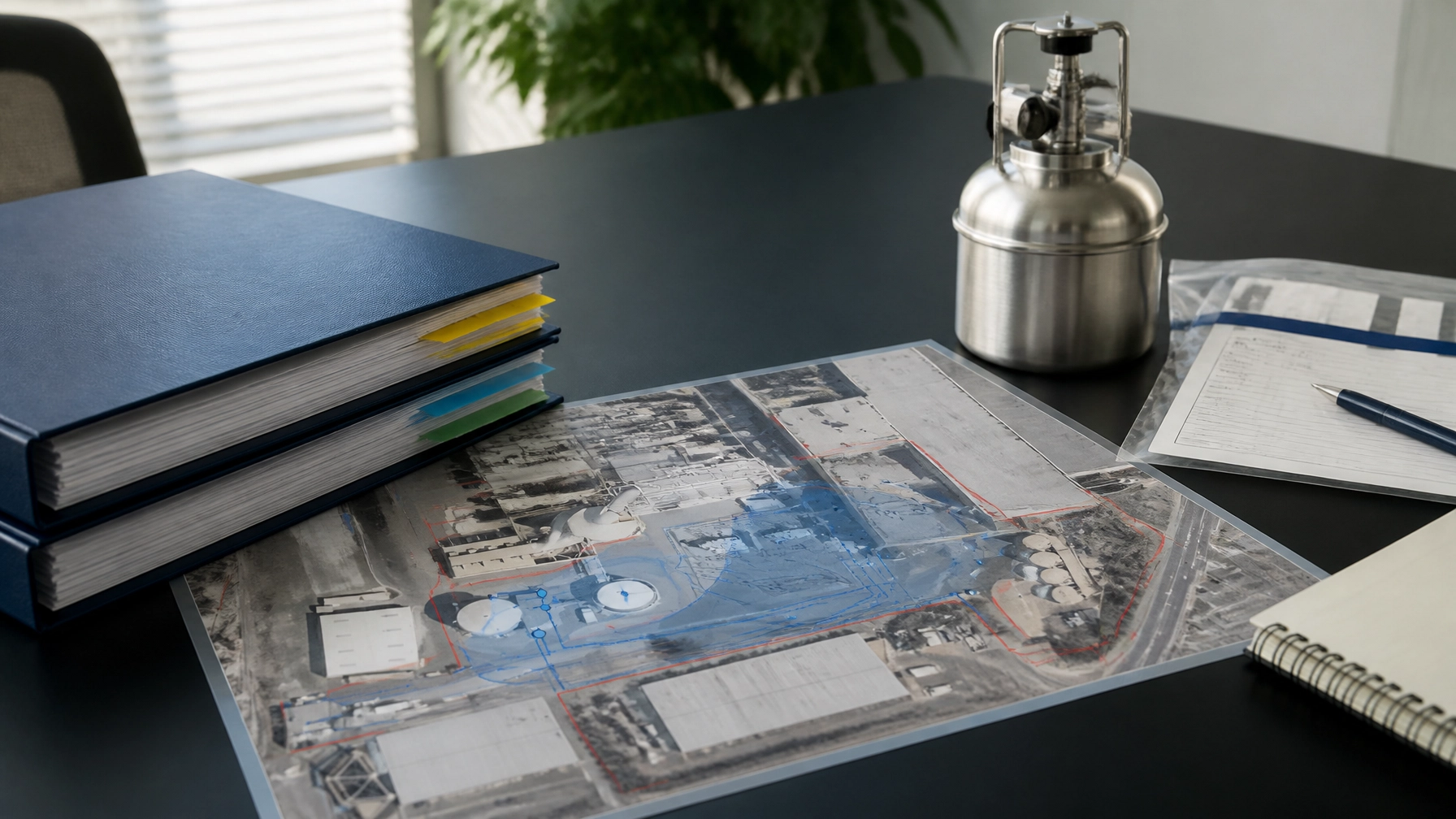
NJDEP SRRA 2.0 Rule Changes: RAP Forms, Indoor Air Controls, and LSRP Compliance for 2026 Transactions
New Jersey’s SRRA 2.0 rule changes are now affecting how contaminated property owners, developers, attorneys, and LSRPs prepare remedial action permits and transaction files. The changes are implemented through amendments to N.J.A.C. 7:26C, including Subchapter 7 for institutional controls and remedial action permits. The current NJDEP courtesy copy identifies a last amended date of February […]
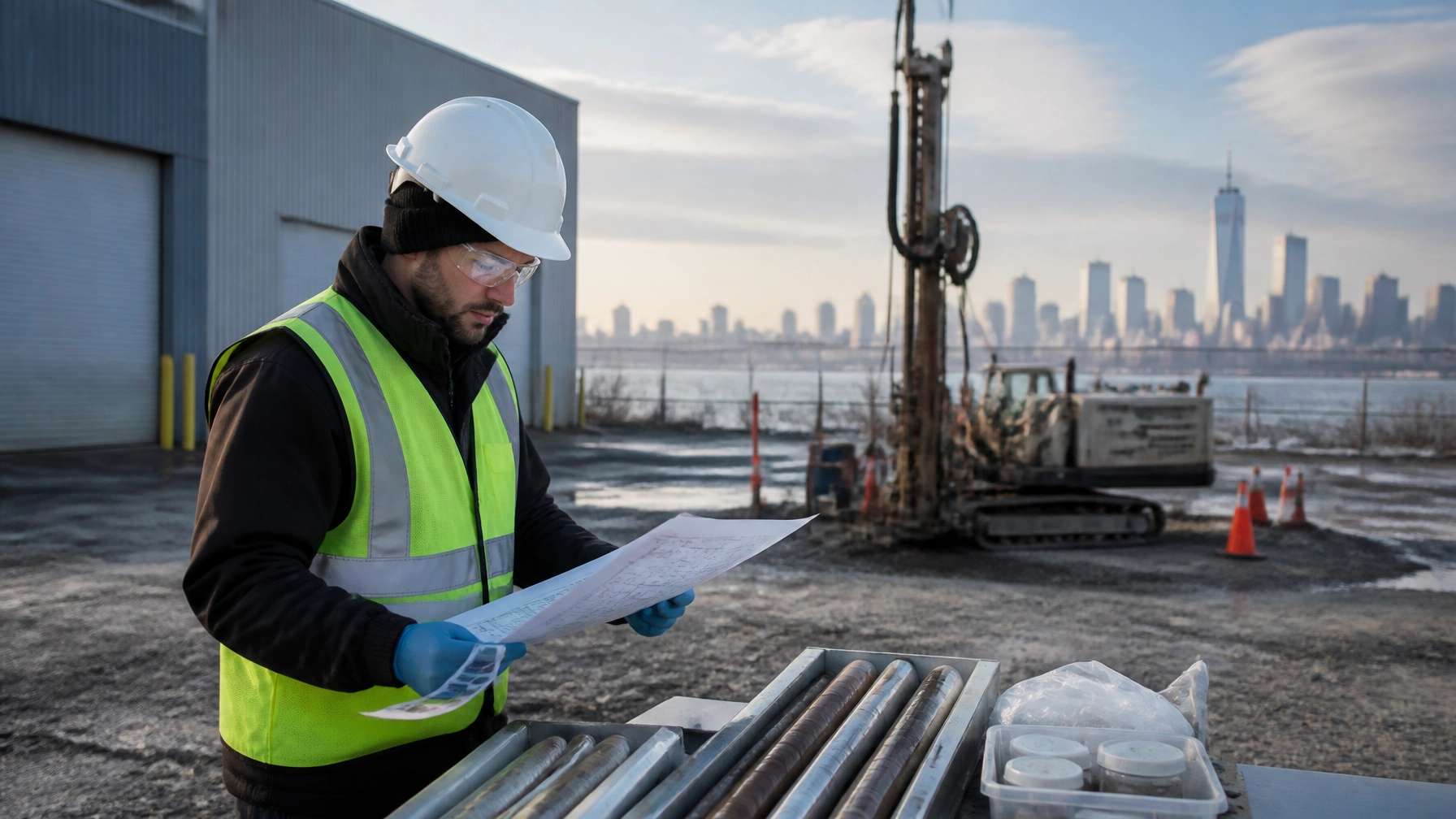
New Jersey Due Diligence Contamination Reporting: What Buyers and Sellers Should Know About the 2026 Rule Status
A proposed New Jersey rule would have changed how contamination discovered during commercial property due diligence moved from the consultant’s field notes to NJDEP. That rule did not take effect. As of September 2026, New Jersey’s proposed due diligence contamination reporting requirement has expired. Buyers, sellers, and environmental consultants should not treat the former proposal […]
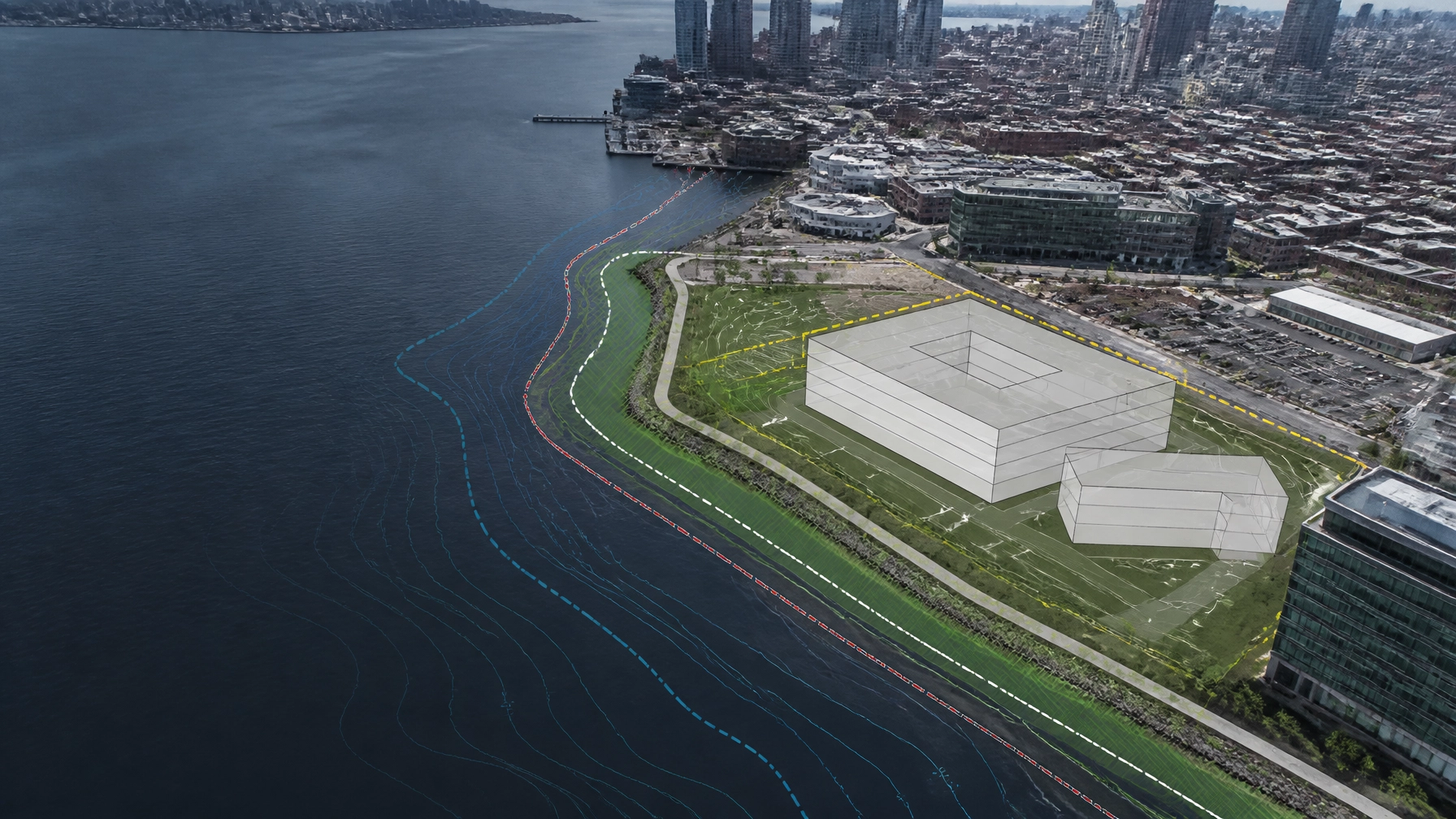
New Jersey Flood Hazard Area Permit Completeness: What REAL Rule Applications Need Before NJDEP Review
A New Jersey flood permit does not become complete just because it was uploaded to NJDEP. For waterfront and flood-zone projects in Jersey City, Hoboken, Bayonne, Newark, Hudson County, Bergen County, and Essex County, NJDEP must have enough reliable information to evaluate the regulated activity. That means more than an application form. It means verified […]

Property Condition Report ASTM E2018: Lender-Ready PCA for Newark and Jersey City Acquisitions
A property condition report ASTM E2018 assessment gives lenders, investors, and acquisition teams a structured view of a commercial property’s physical condition before closing. For buyers in Newark, Jersey City, Hoboken, Bayonne, Bergen County, Hudson County, and Essex County, a lender-ready PCA can identify major capital needs before they become negotiation problems. ASTM International’s current […]
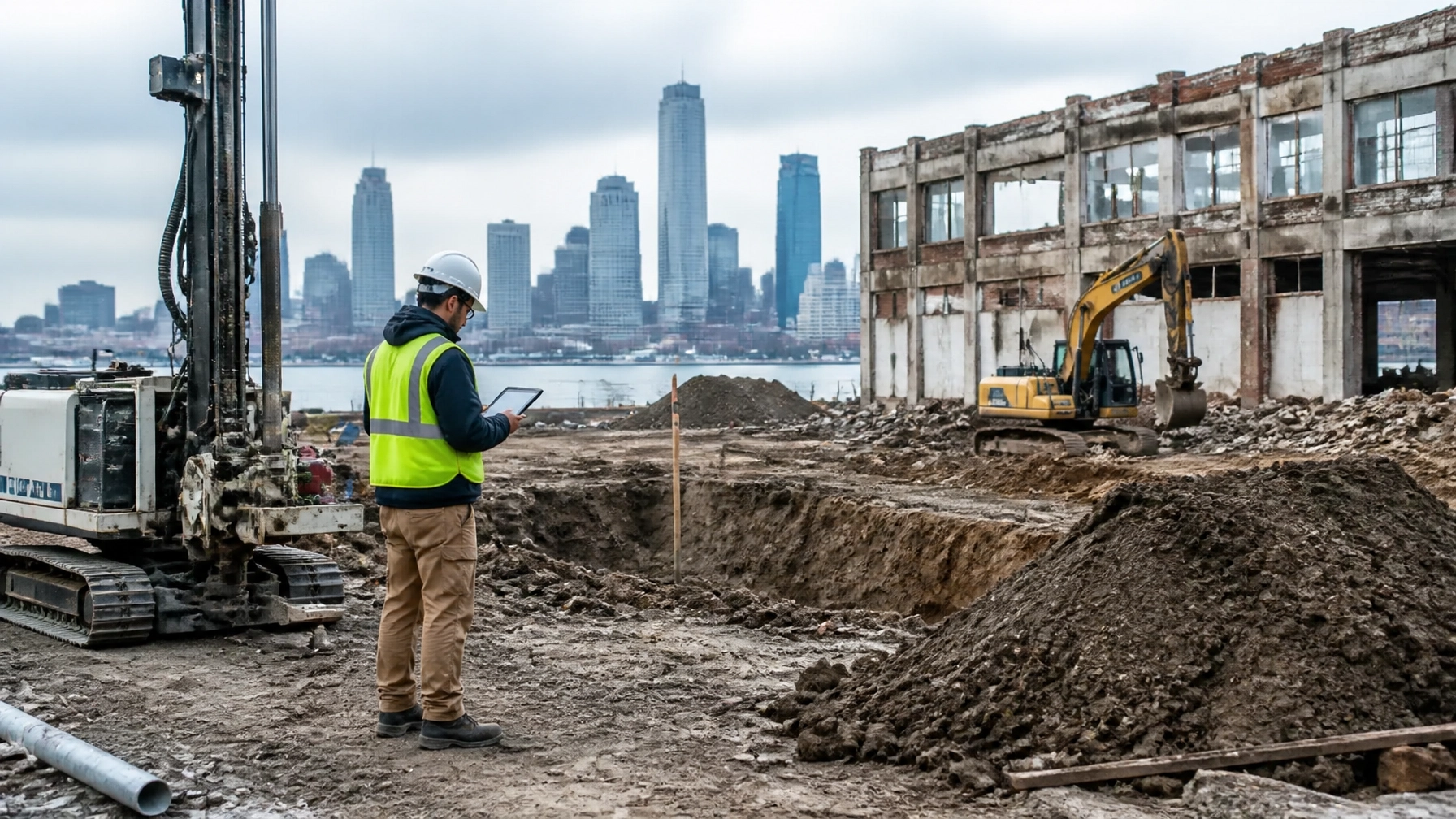
NJ Environmental Due Diligence for Multifamily Acquisition: ISRA, Historic Fill, and Phase II Risk in Hudson County
A multifamily acquisition in Jersey City, Hoboken, Bayonne, Newark, Bergen County, Hudson County, or Essex County can look straightforward on the surface. The building may be occupied. The zoning may support residential use. The lender may already have a property condition report. That does not answer the environmental questions that can affect your closing, financing, […]
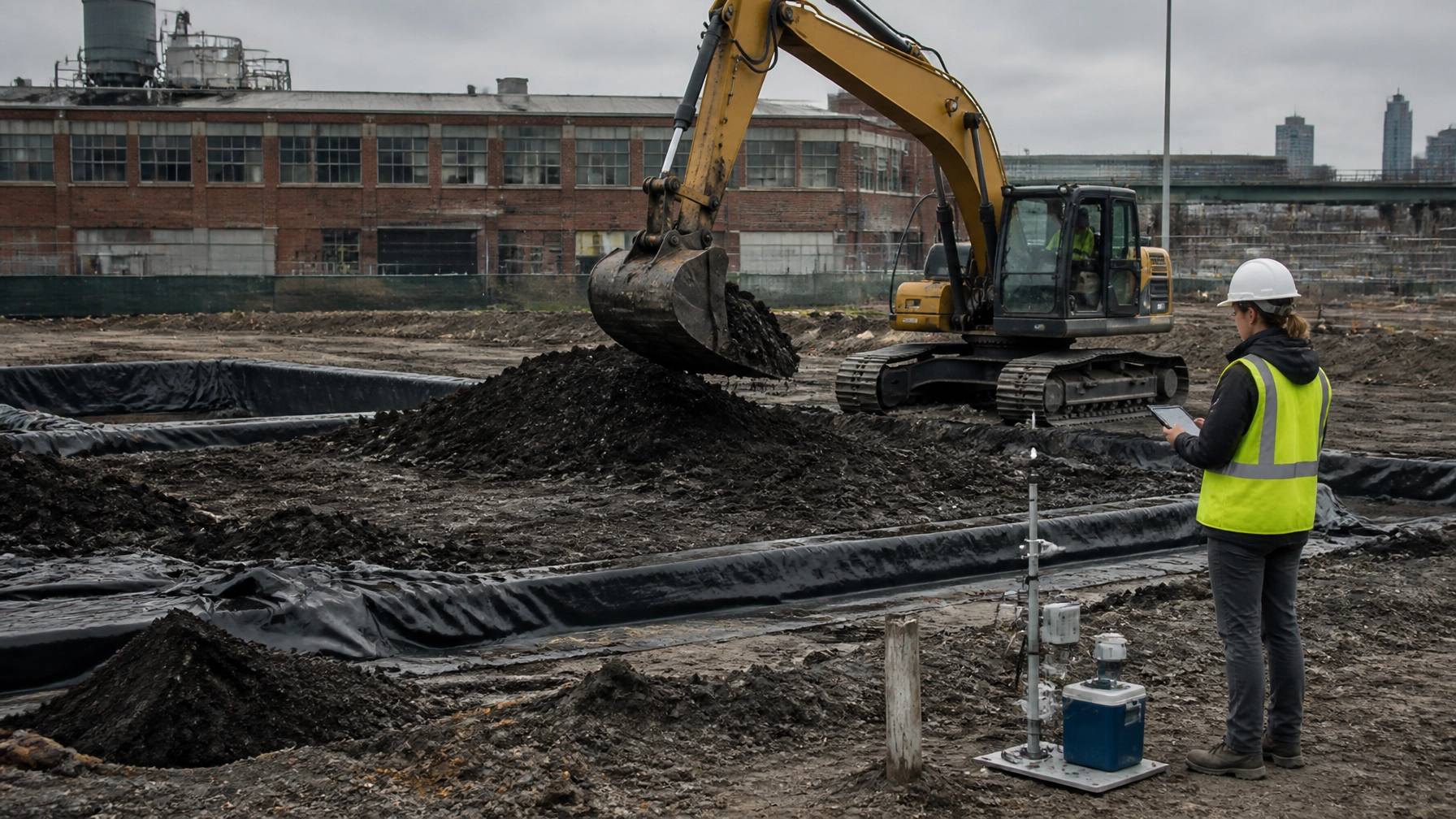
NJ Brownfield Redevelopment Cost Newark: Budgeting Historic Fill, PFAS, USTs, and Soil Disposal
A brownfield acquisition in Newark, Jersey City, Hoboken, Bayonne, Hudson County, Bergen County, or Essex County rarely fails because the buyer overlooked the purchase price. It fails because the buyer underestimated the environmental work required after closing. That work may include historic fill management, PFAS and dioxin testing, UST closure, soil disposal, groundwater treatment, vapor […]
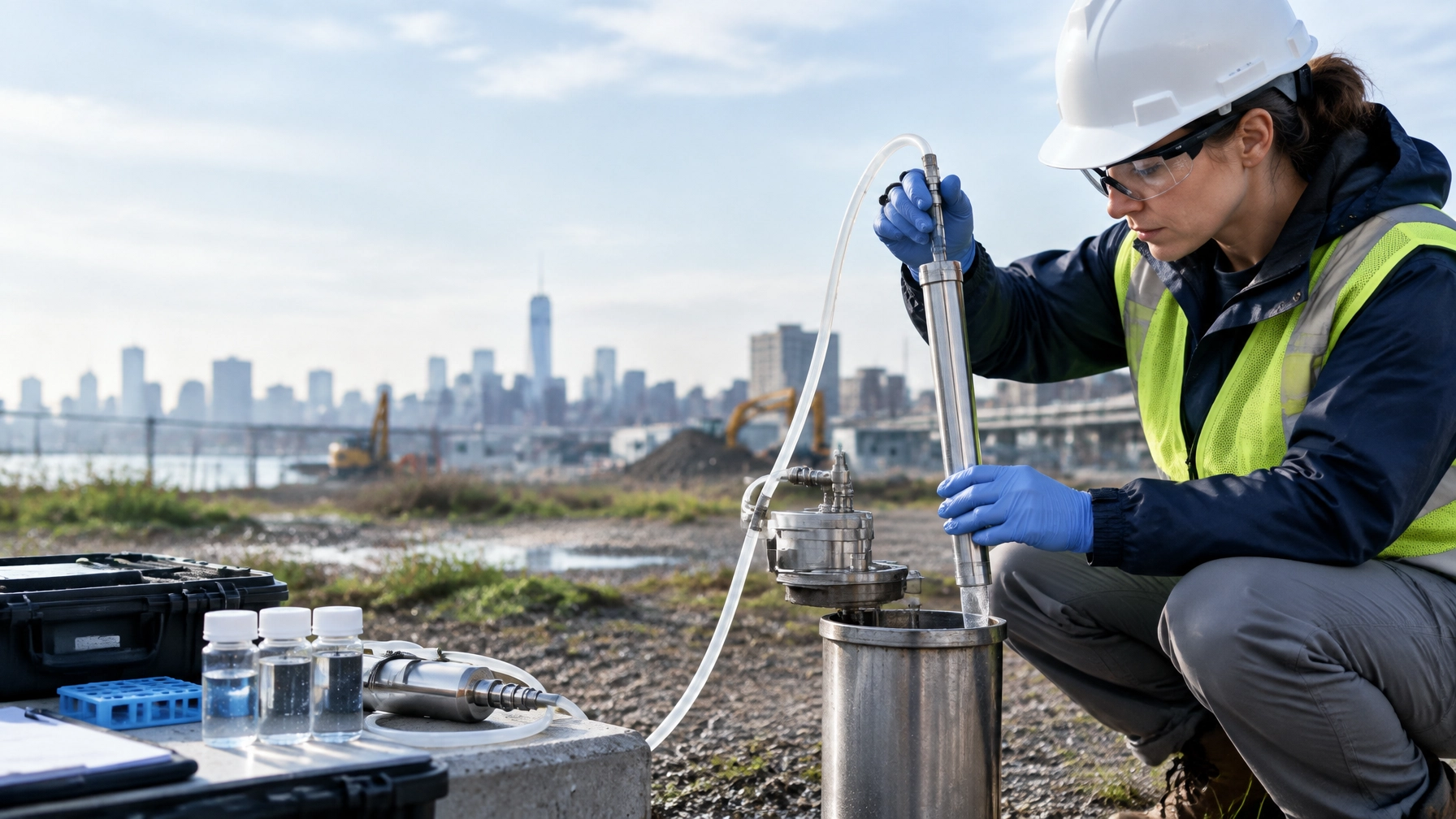
NJDEP PFAS Remediation Standards 2026: What Developers Need to Change in Phase II Scope
On June 15, 2026, the New Jersey Department of Environmental Protection formally adopted remediation standards for PFNA, PFOA, PFOS, and GenX. The rule also amended the Technical Requirements for Site Remediation to require analysis for those PFAS compounds and 2,3,7,8-TCDD when contaminants in an area of concern are unknown or not well documented. For developers, […]
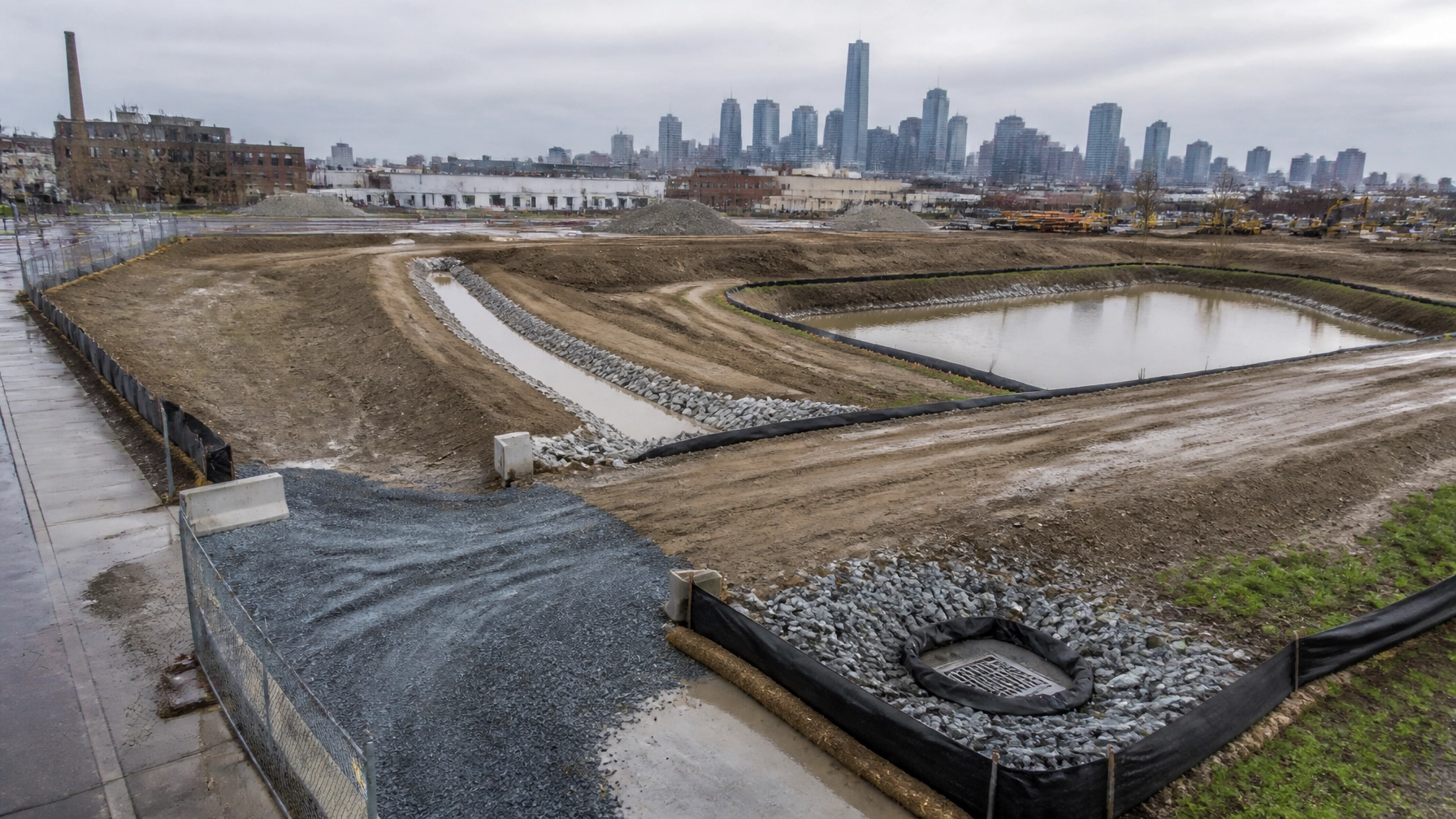
SWPPP Services NJ: NJPDES 5G3 Stormwater Permit and Site-Specific Construction Compliance
A construction site in New Jersey can trigger two separate compliance tracks before the first excavator moves soil. The first is the Soil Erosion and Sediment Control Plan, commonly called a SESCP, which is reviewed by the local Soil Conservation District. The second is NJDEP authorization under the NJPDES Construction Activity Stormwater General Permit 5G3, […]
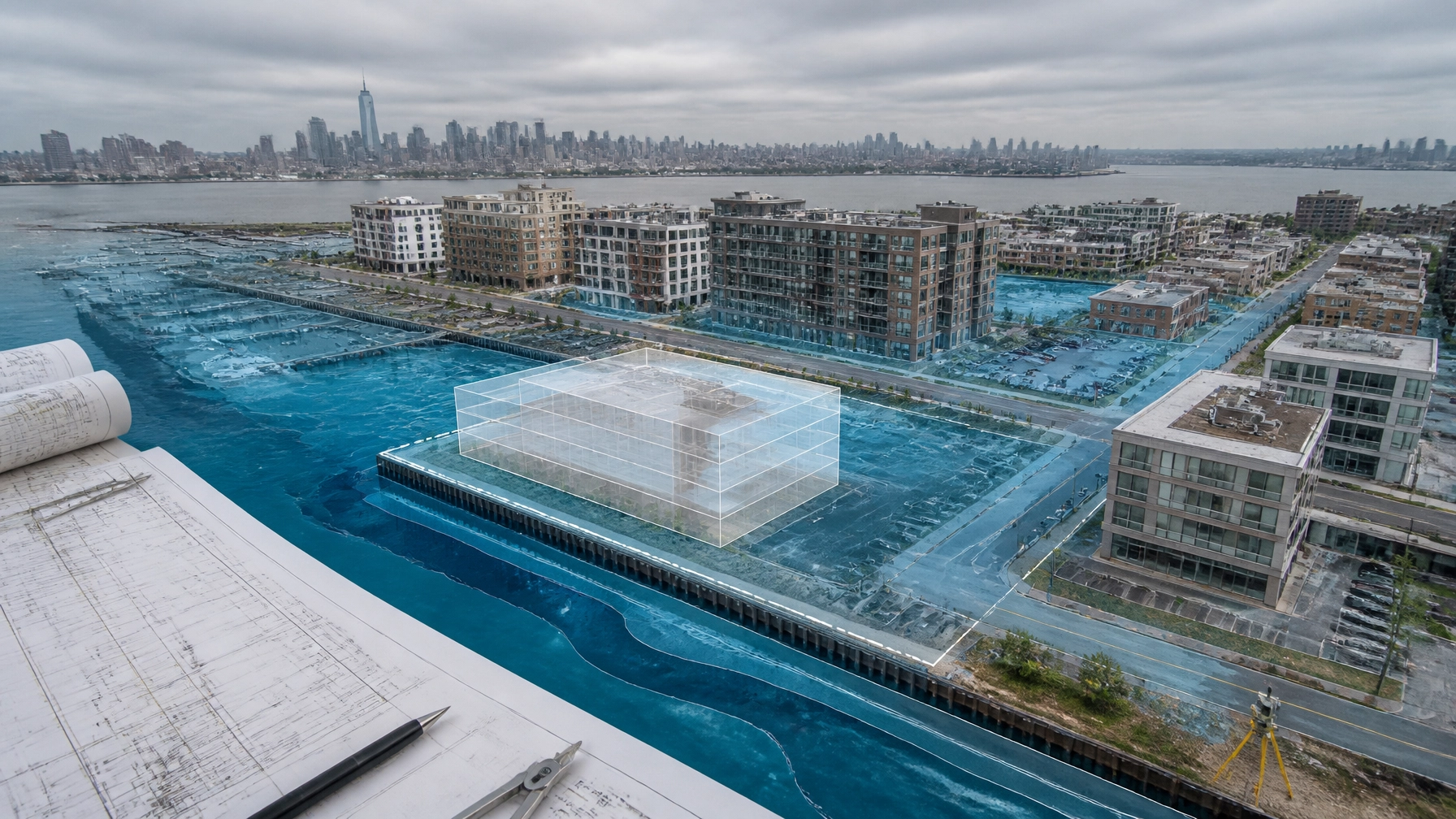
NJ REAL Legacy Provisions 2027: Complete Application Readiness for Jersey City and Hoboken Flood Zones
The July 20, 2027 deadline is proposed, not automatic New Jersey developers working in Jersey City, Hoboken, Bayonne, Hudson County, Bergen County, and the Newark waterfront need to separate two issues: What NJDEP has proposed. What the final rules legally allow for a specific project. NJDEP adopted the NJPACT Resilient Environment and Landscapes, or REAL, […]
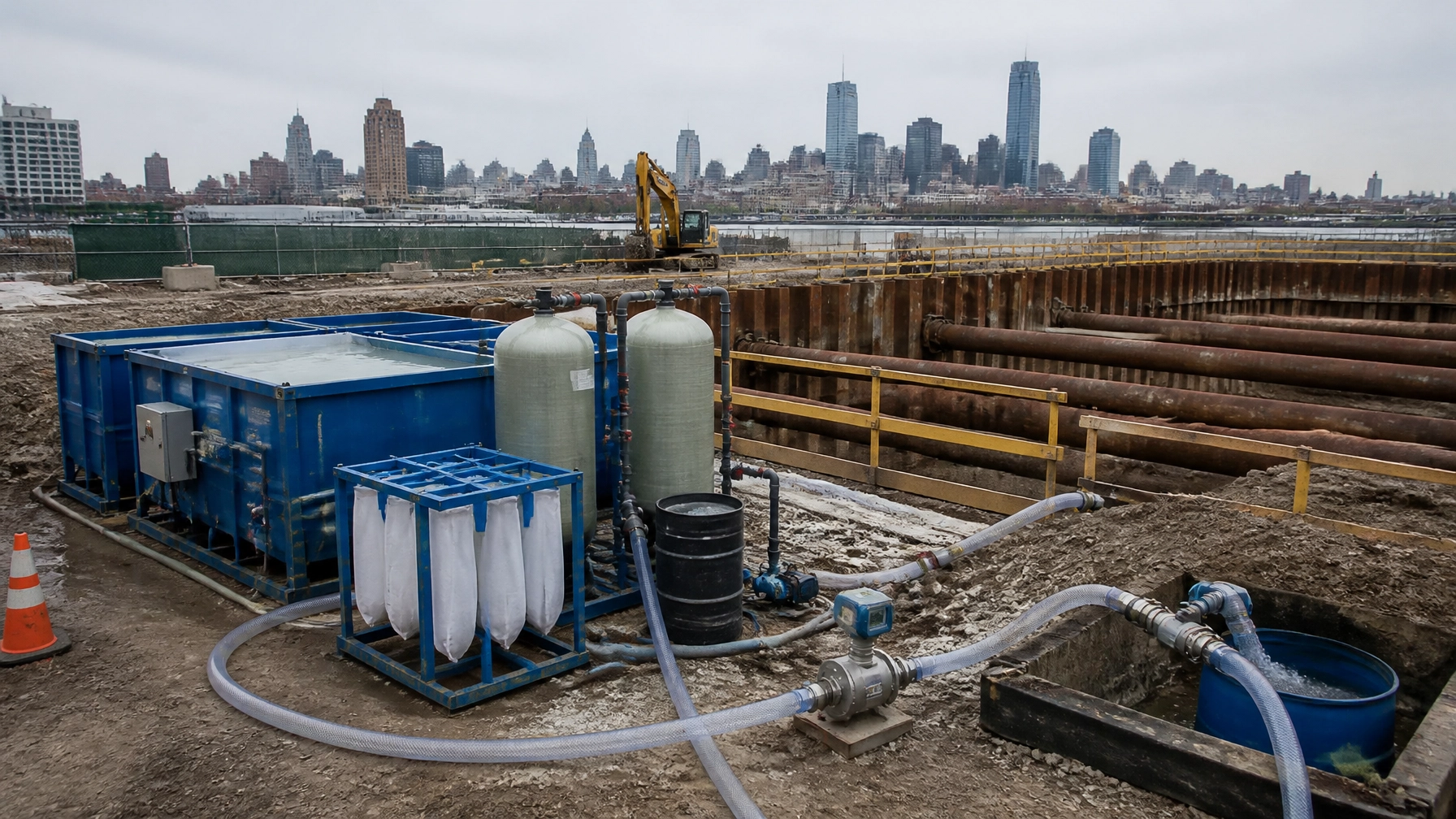
NJ Water Allocation Permit for Construction Dewatering: 100,000-Gallon Thresholds and Hudson County Planning
A Jersey City, Hoboken, Bayonne, Newark, or other North Jersey excavation can require more than a pump and a discharge hose. If groundwater enters the excavation, the project team must evaluate withdrawal volume, pumping duration, water quality, discharge destination, sewer capacity, and site constraints before excavation begins. The key state threshold is 100,000 gallons per […]