

New Jersey Insights — Page 6
214 environmental consulting and engineering articles covering New Jersey projects, permits and cleanups.
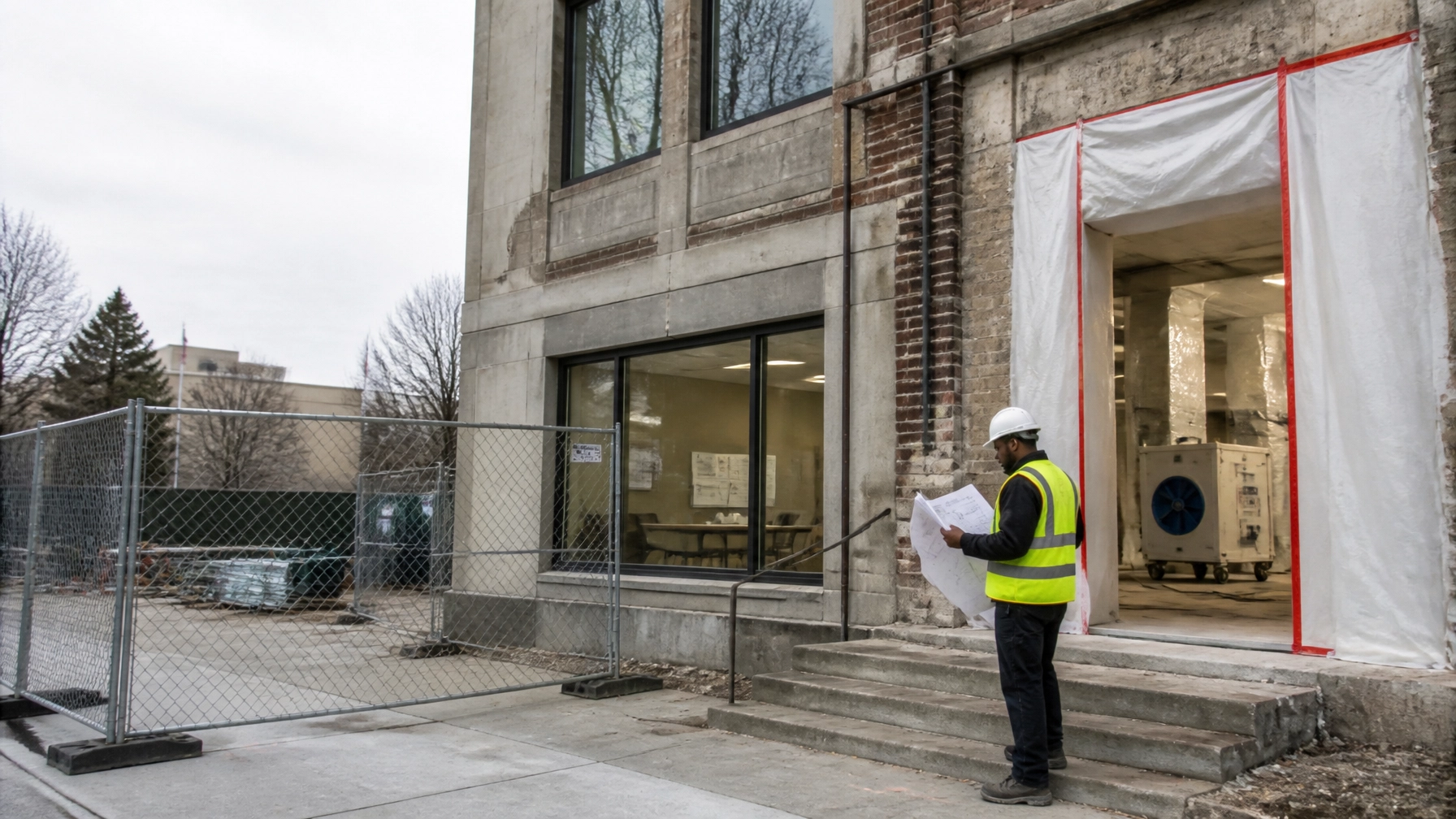
NJ Asbestos Survey for Demolition and Renovation Permits: N.J.A.C. 5:23-8.6 Explained
A demolition or renovation permit in New Jersey can be delayed before construction begins if the permit package does not address asbestos correctly. For projects involving public buildings, municipal facilities, educational facilities, daycares, and nurseries, N.J.A.C. 5:23-8.6 establishes how asbestos documentation must coordinate with the construction permit. The rule requires an architect or engineer certification, […]

New Jersey Structural Integrity Law: Senate Bill 2760 Inspection Deadlines and Compliance for Condominiums
New Jersey condominium boards face two separate compliance obligations: structural integrity inspections for certain buildings and capital reserve studies for planned real estate developments. The requirements are connected, but they aren’t interchangeable. A reserve study doesn’t replace a structural inspection. A structural inspection doesn’t create a 30-year reserve funding plan. This distinction matters for condominium […]
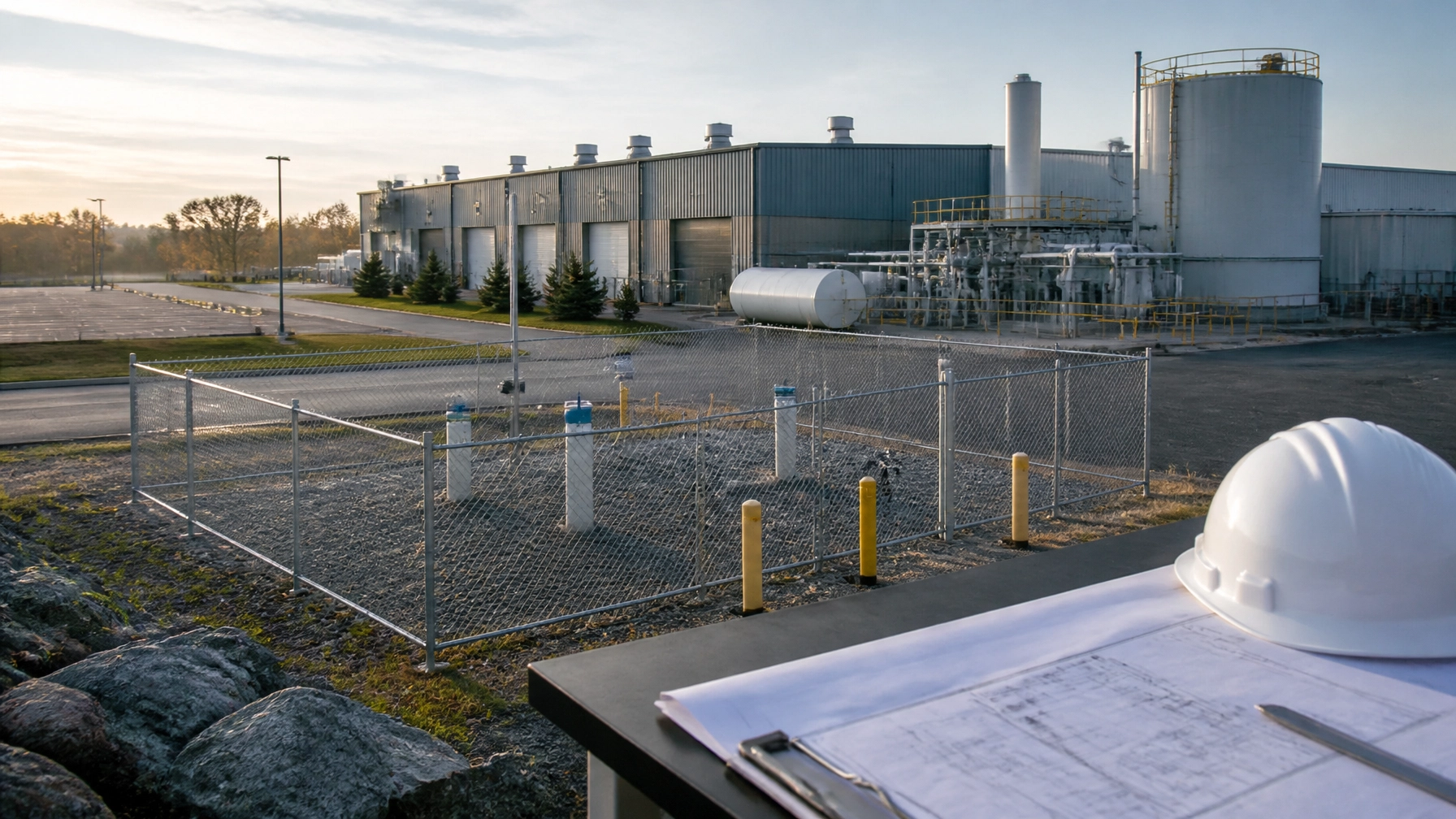
ISRA Electronic Submissions and Remedial Action Permitting Under NJDEP’s Updated Rules
Published August 10, 2026 at 2:00 PM ET New Jersey’s updated Industrial Site Recovery Act rules change how industrial property owners, operators, developers, and consultants manage regulatory submissions and long-term remedial obligations. The current N.J.A.C. 7:26B rules, last amended on November 17, 2025, place greater emphasis on electronic submissions, updated fee procedures, remediation funding, and […]
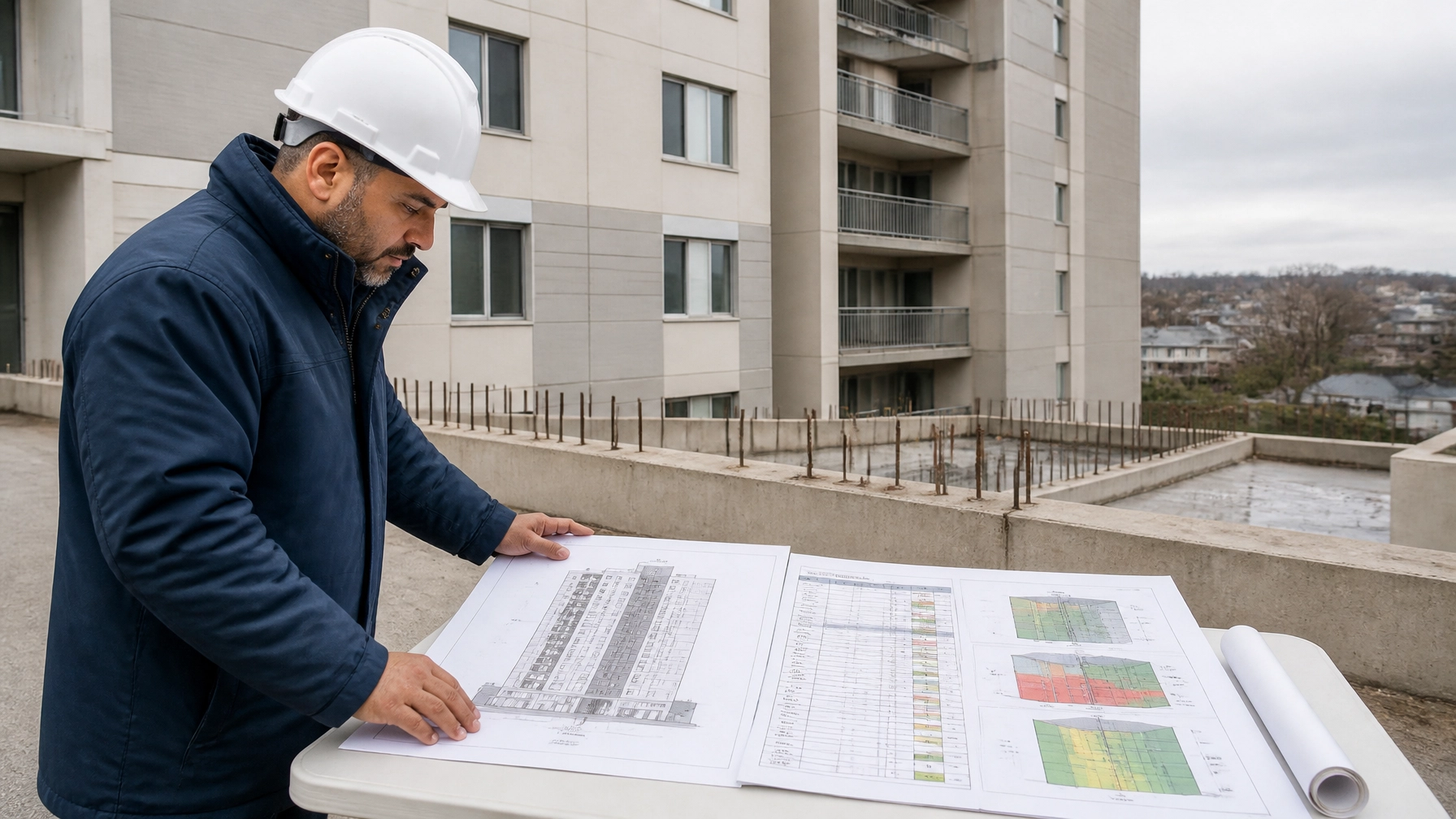
Combining Structural Integrity Inspections and Reserve Studies: A Unified Engineering Approach for NJ Associations
A condo structural inspection and reserve study in NJ should not be treated as two unrelated consulting assignments. For many New Jersey associations, the same building systems, site conditions, photographs, maintenance records, and capital assets appear in both scopes. When an association coordinates the work through one engineering team, the result is more than administrative […]
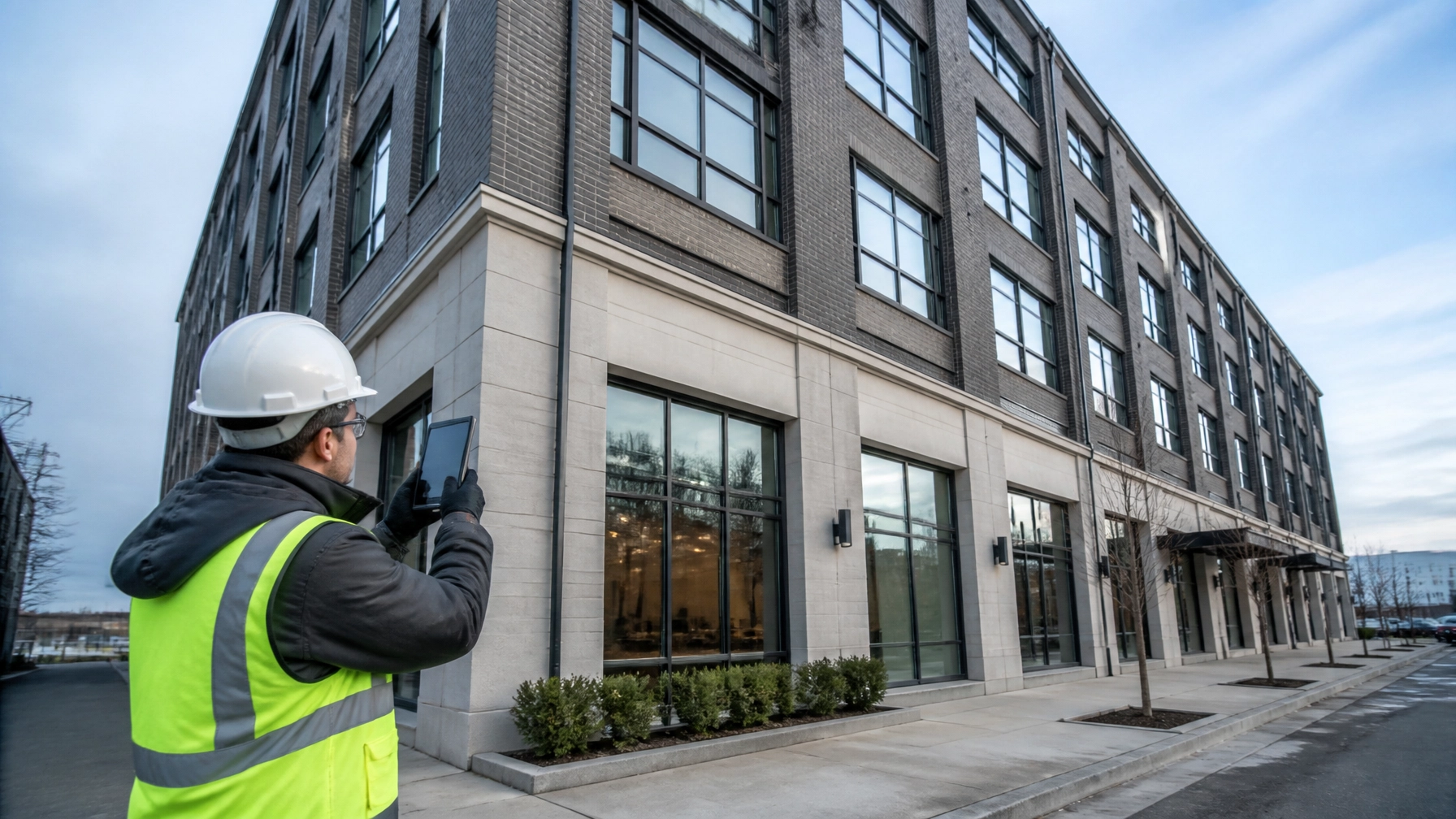
ASTM E2018-24 Property Condition Report: What Lenders and Investors Look For in NY and NJ Commercial Deals
A commercial acquisition can look strong on paper and still carry major physical risk. An aging roof, failing façade, obsolete HVAC equipment, drainage problems, or an unbudgeted structural repair can affect loan proceeds, closing conditions, operating income, and the property’s long-term value. That’s why lenders and investors often require an ASTM E2018-24 property condition assessment […]
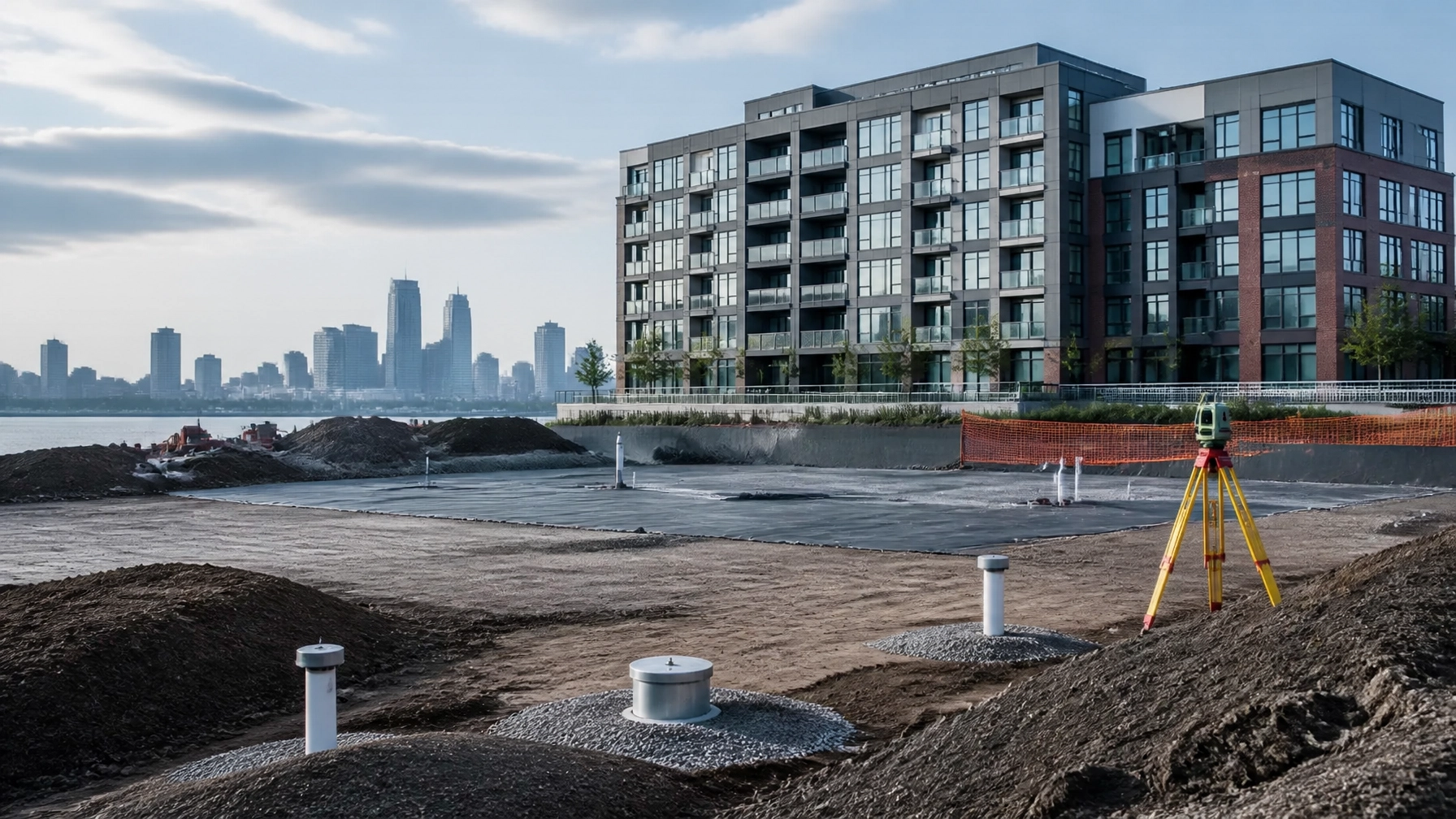
Navigating New Jersey’s Brownfield Tax Credit Program and ISRA Good Standing Requirements
For New Jersey developers, a contaminated or underutilized property can represent both a major liability and a significant redevelopment opportunity. The state’s Brownfields Redevelopment Incentive Program (BRIP) is designed to help close that gap through a one-time, transferable tax credit tied to eligible remediation costs. But the credit is not automatic. Your project must align […]
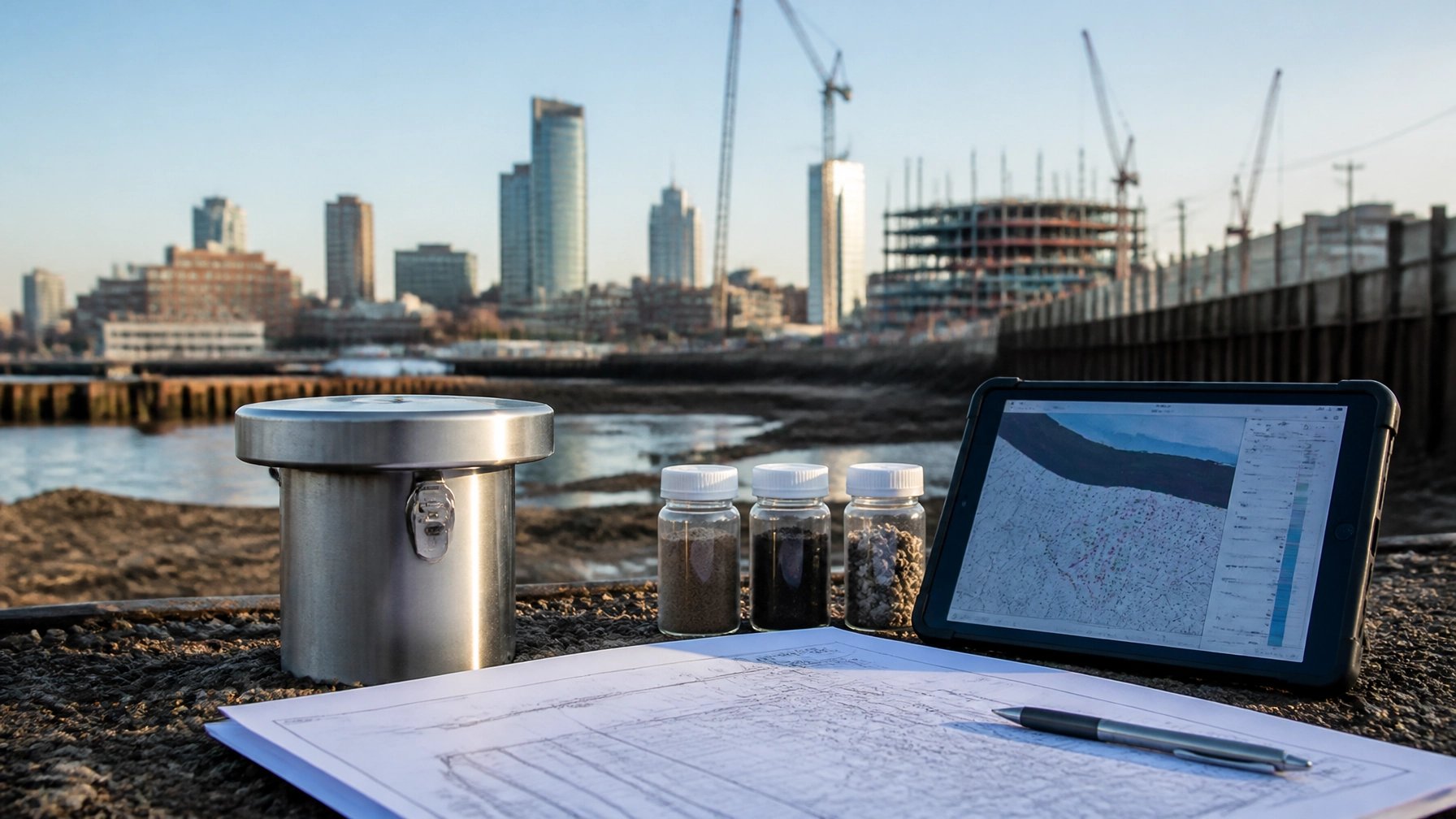
Streamlining Phase I ESAs and Phase II Investigations for NYC/NJ Real Estate Transactions in 2026
In New York and New Jersey, environmental due diligence can determine whether a transaction closes on time, gets repriced, or stalls before construction begins. In 2026, the baseline is clear: commercial real estate transactions need a defensible ASTM E1527-21 Phase I Environmental Site Assessment, aligned with the EPA’s All Appropriate Inquiries (AAI) rule under 40 […]
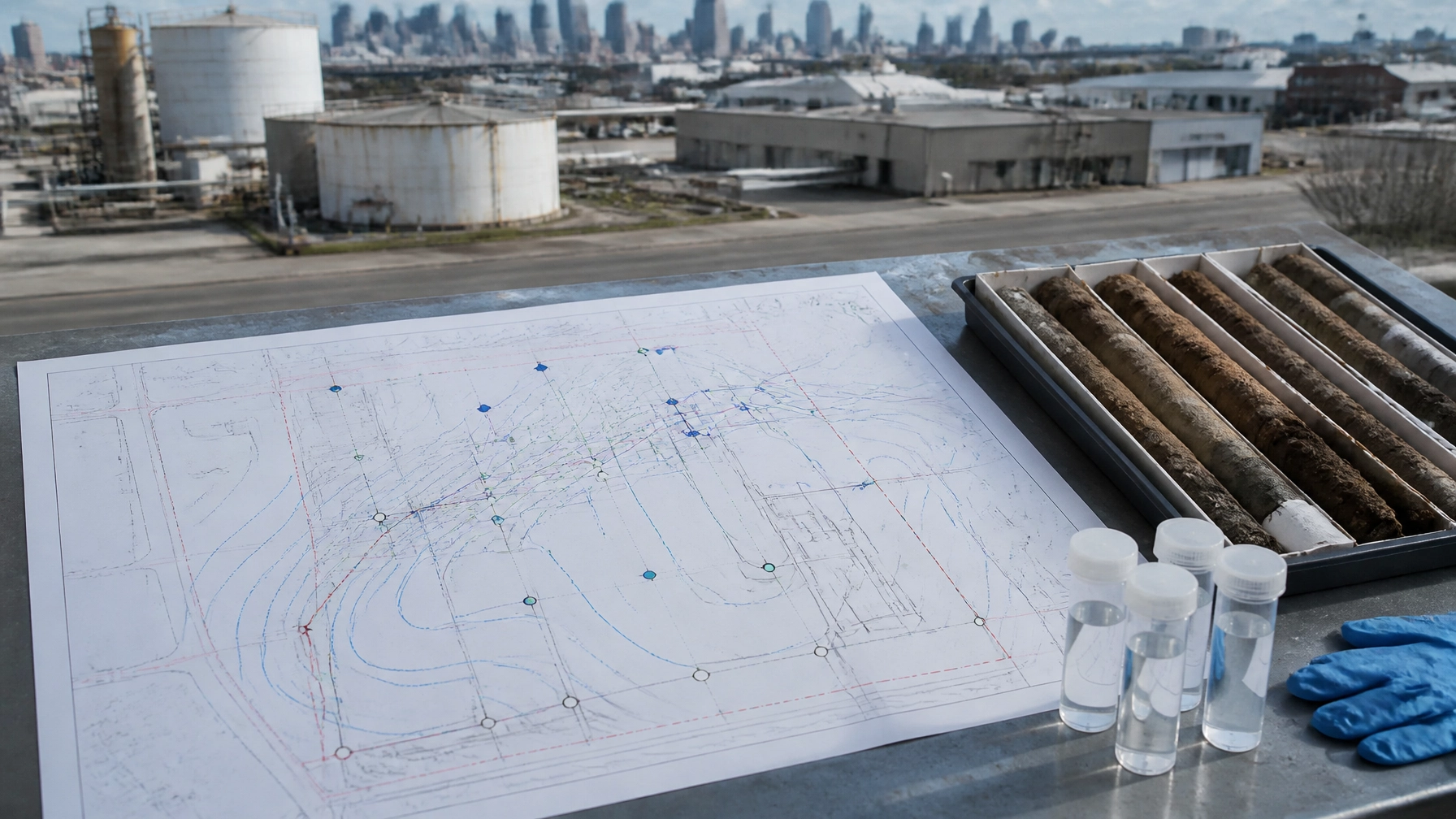
NJDEP’s Expanded 2026 PFAS Remediation Standards: What Developers and LSRPs Must Know
Published August 10, 2026 at 2:00 PM ET On June 15, 2026, the New Jersey Department of Environmental Protection (NJDEP) adopted amendments to N.J.A.C. 7:9C, 7:26D, and 7:26E. The rule converts interim remediation criteria for GenX, PFNA, PFOS, PFOA, and methanol into enforceable requirements and expands required analytical coverage when site contaminants are unknown or […]

Capital Reserve Studies for NJ Condos, Co-ops, and HOAs Under S2760
A reserve study is no longer a budgeting exercise that can wait until the roof leaks or the elevator fails. For most New Jersey condominiums, cooperatives, and homeowners associations, it is a statutory planning requirement tied directly to building maintenance, structural integrity, and long-term financial stability. One citation correction matters at the outset: the New […]
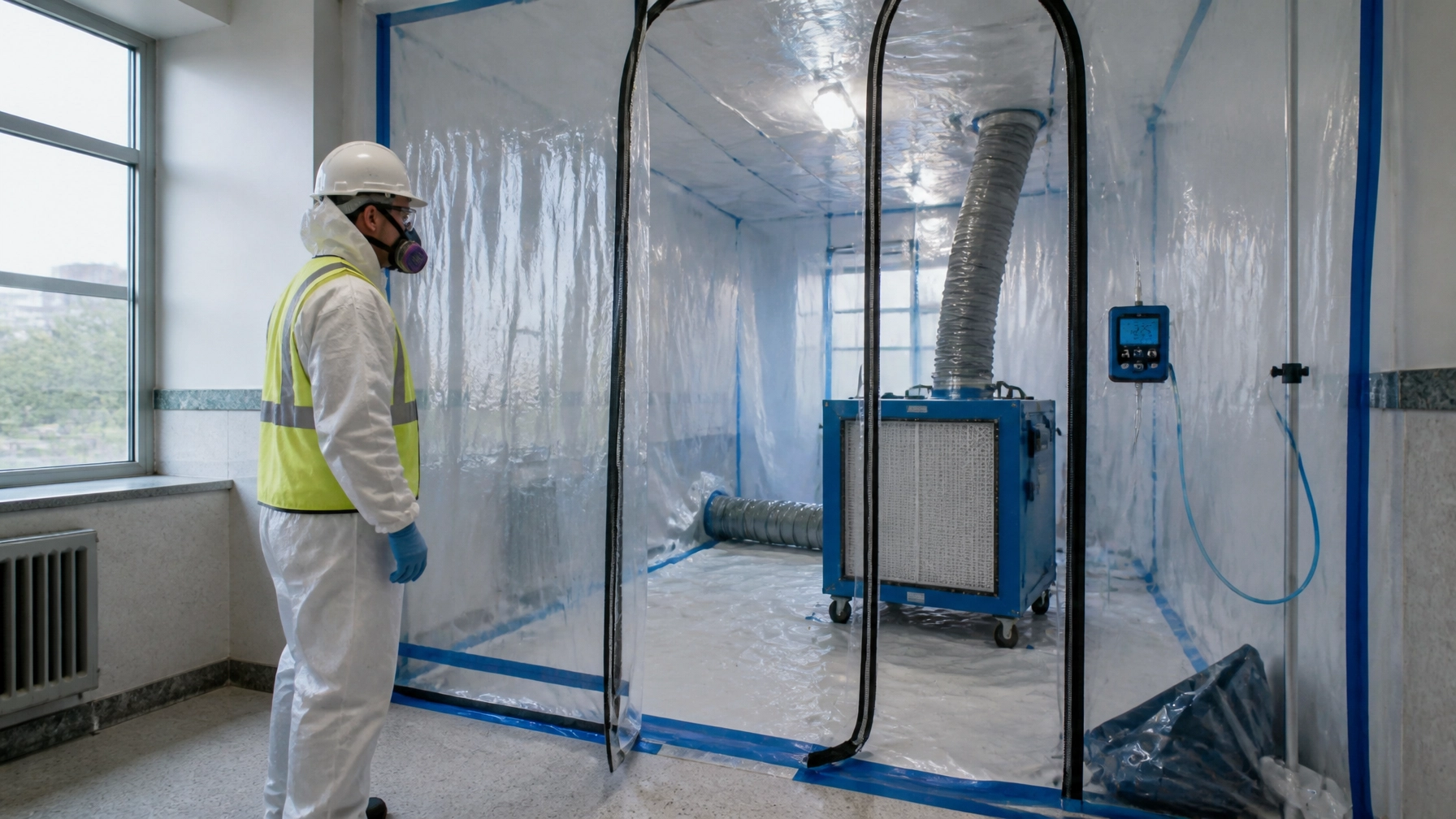
New Jersey Asbestos Inspection and Abatement Requirements for Municipal Building Permits
A municipal renovation or demolition project in New Jersey can be delayed before the first wall is opened if asbestos requirements are not addressed during design and permit coordination. For public buildings, educational facilities, daycare centers, and other properties subject to New Jersey’s Asbestos Hazard Abatement Subcode, the process involves more than ordering an asbestos […]
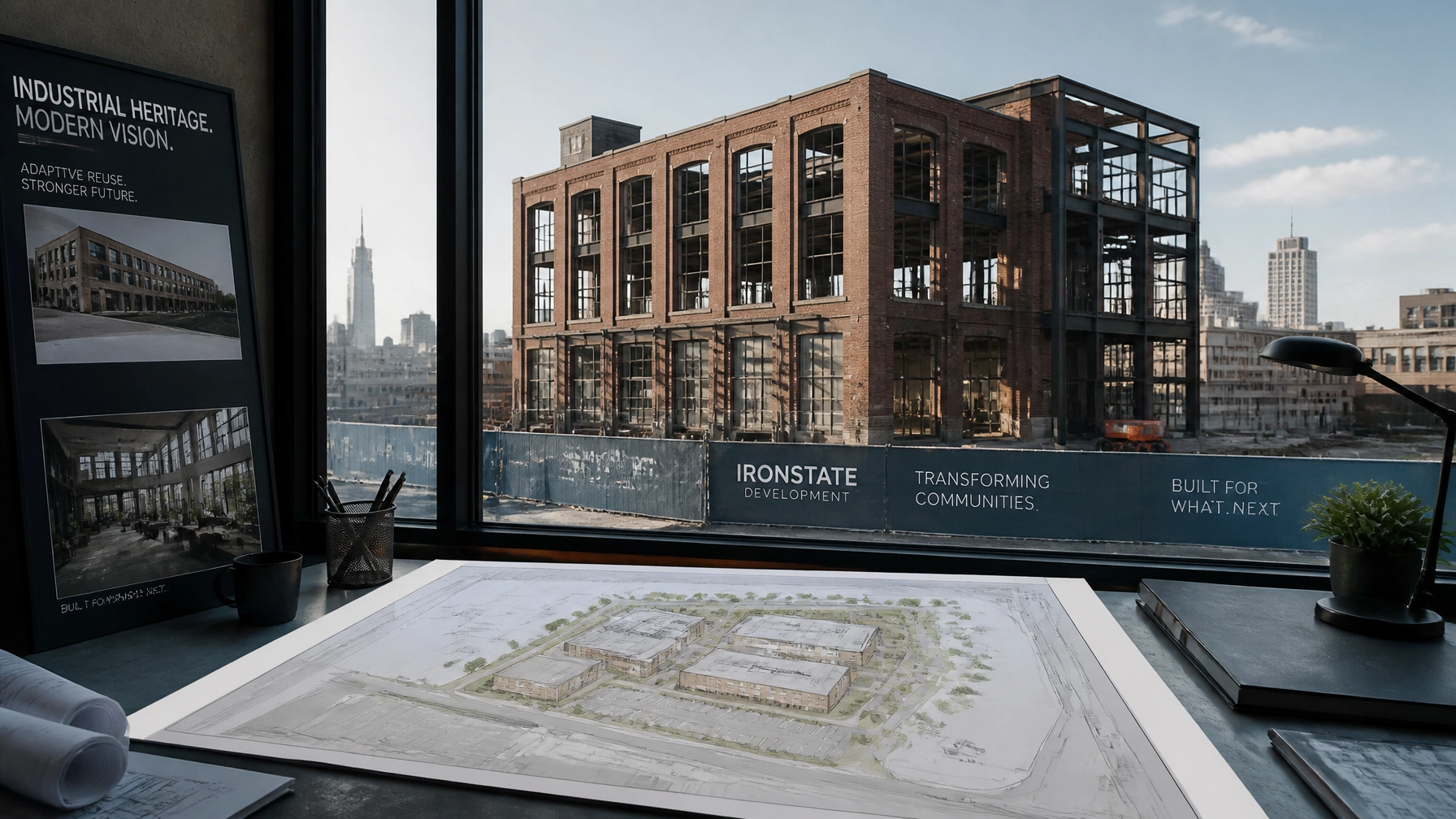
NJ Brownfield Tax Credits: Are You Leaving Money on the Table?
If you’re a developer in New Jersey, you know the drill: the best sites are rarely the cleanest. Those prime, transit-oriented acres in Jersey City, Newark, or Paterson almost always come with a "history." In the old days, that history was just a line item on your balance sheet: a massive cleanup cost that ate […]
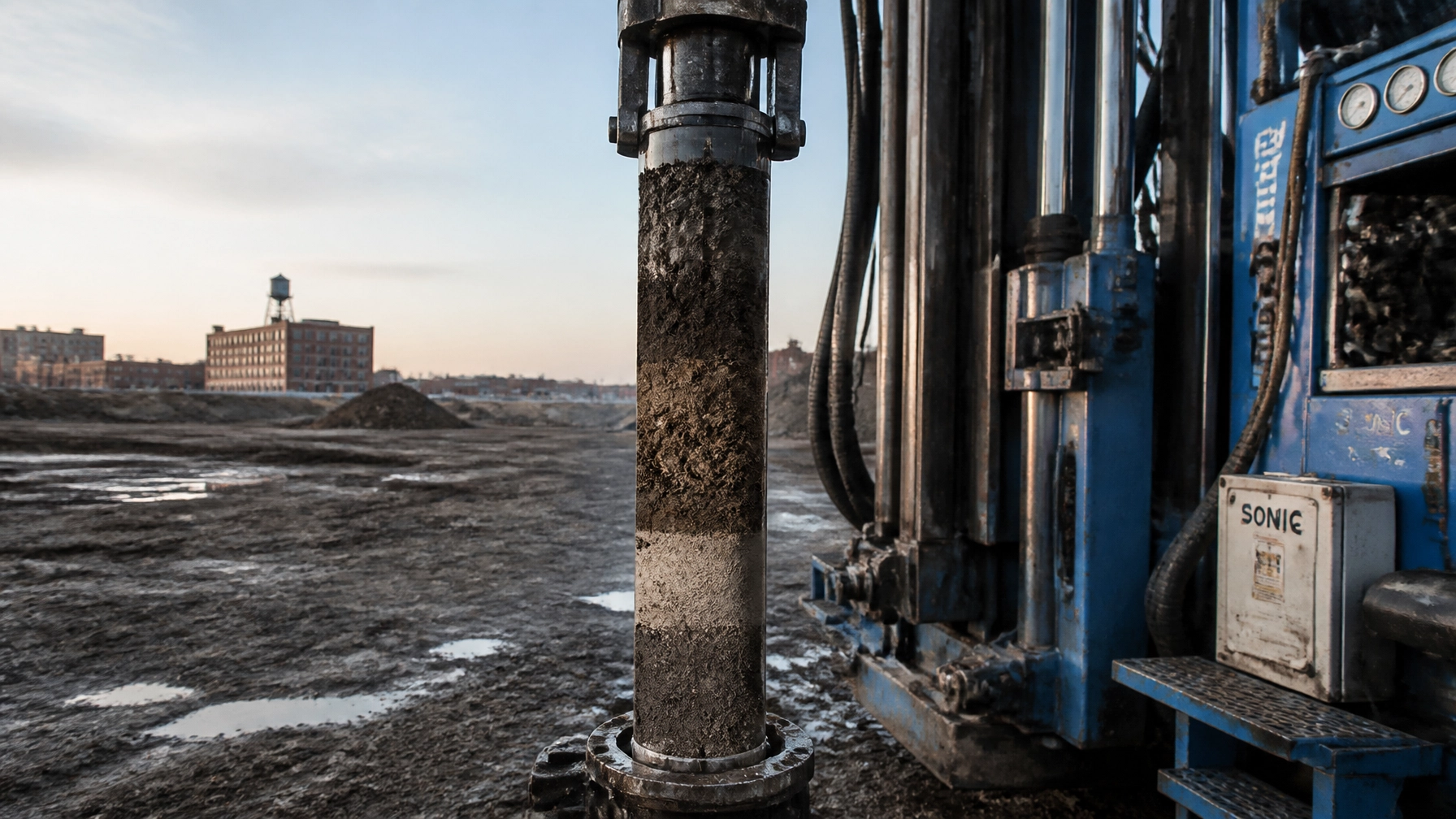
PFAS Soil Leachate Standards: The New Compliance Floor for NJ Remediation
If you’ve been tracking environmental regulations in New Jersey, you know the "interim" grace period for PFAS is officially over. As of June 15, 2026, the New Jersey Department of Environmental Protection (NJDEP) has formally adopted numeric soil and soil leachate remediation standards for four major per- and polyfluoroalkyl substances (PFAS). This isn't just another […]