

Remediation & Brownfields — Page 2
272 expert articles on remediation & brownfields from Envicon Group's NY and NJ environmental engineers. Page 2 of 23.
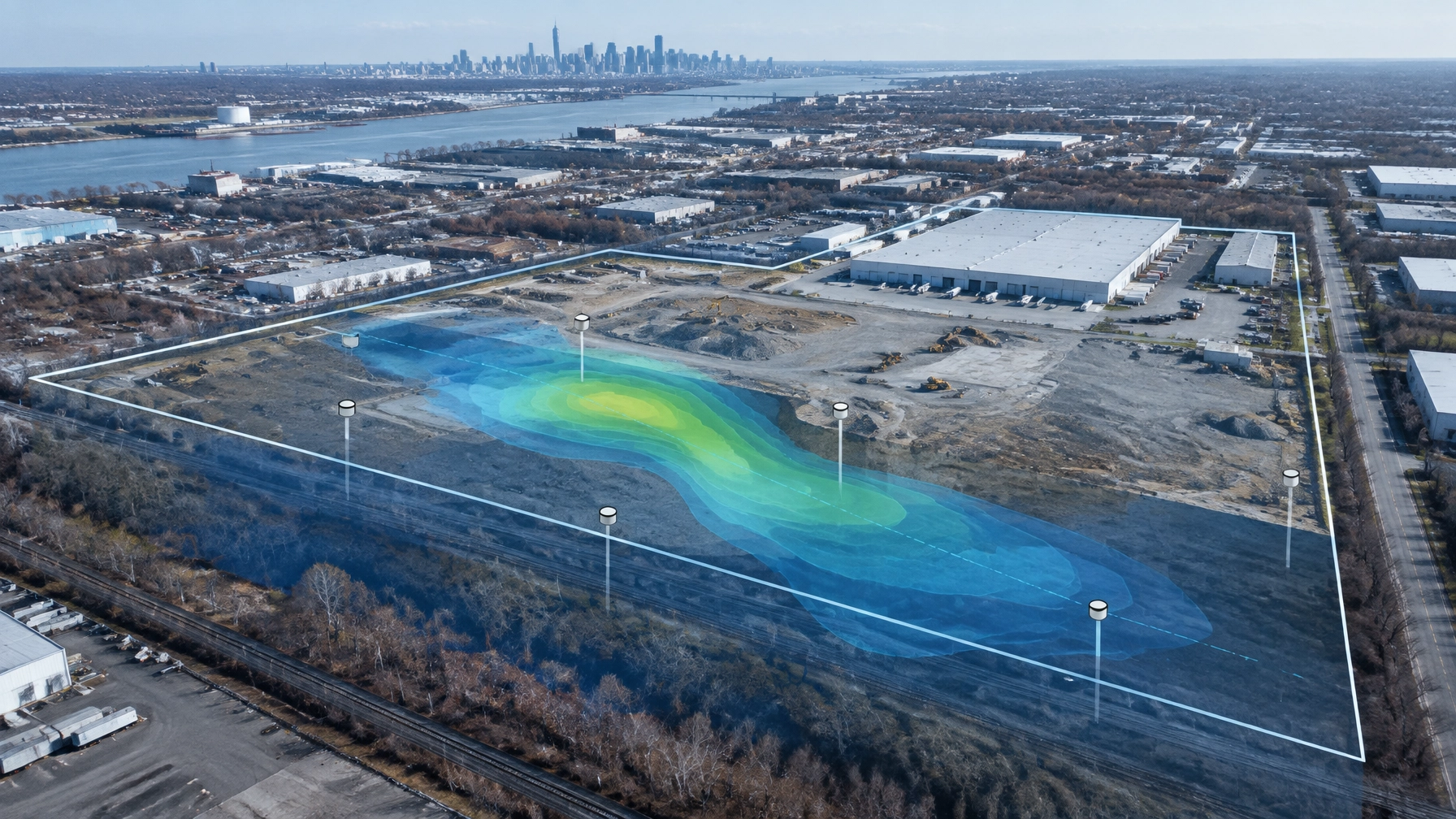
NJDEP Groundwater Classification Exception Areas (CEAs) 2026: Institutional Controls, Well Restrictions, and Remedial Action Permits
A groundwater Classification Exception Area, or CEA, can determine whether a contaminated New Jersey property remains stalled or moves into construction. In 2026, developers, lenders, attorneys, and property owners need to understand how NJDEP treats a CEA as an institutional control under N.J.A.C. 7:9C-1.6. A CEA identifies a defined area where groundwater standards or designated […]
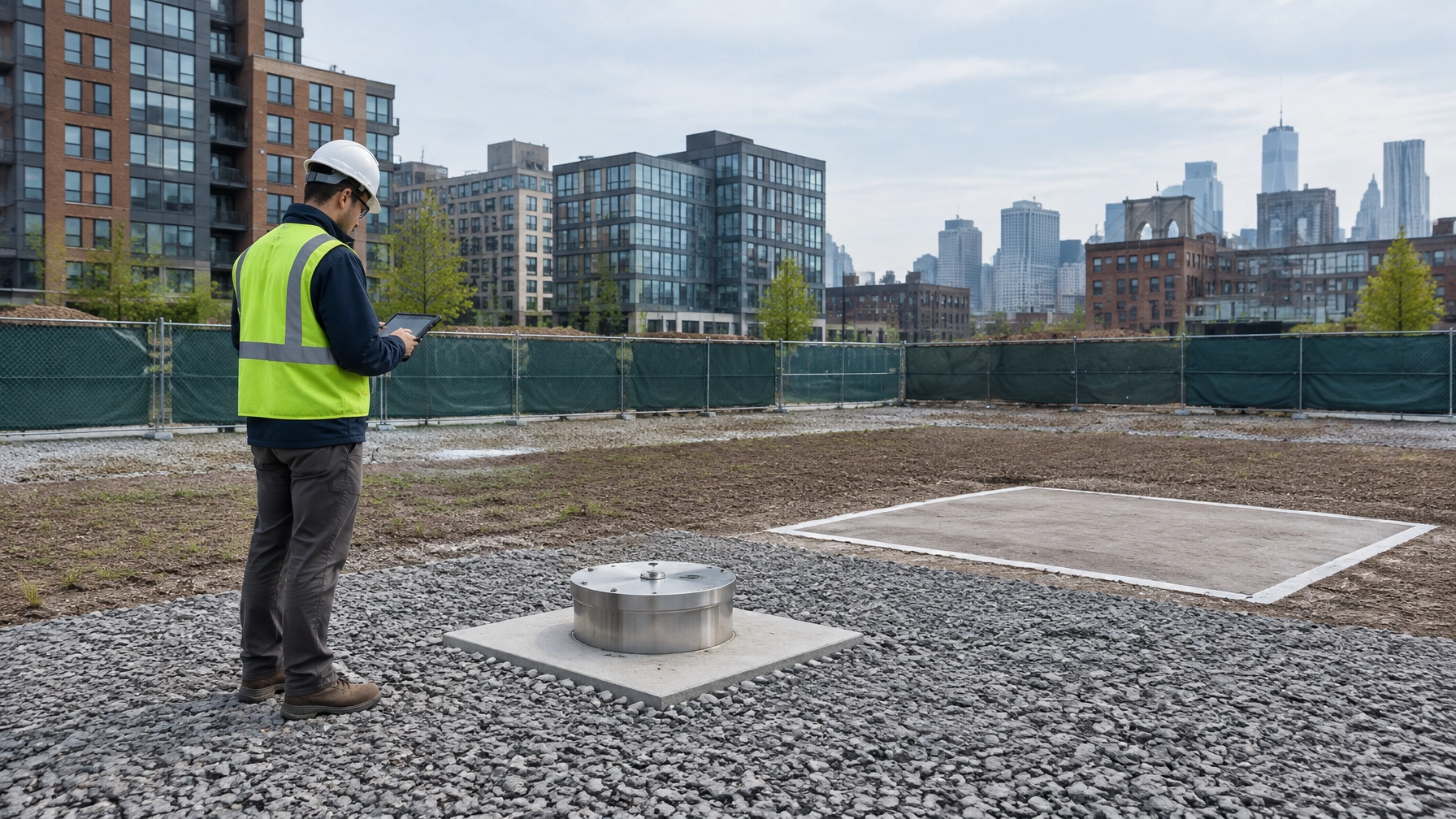
Environmental Easements and Site Management Plans: Post-COC Obligations for NYC Brownfield Owners
A Certificate of Completion does not end environmental responsibility. For many NYC brownfield properties, it changes the type of responsibility the owner carries. Remediation may be complete, but the site can remain subject to environmental easements, deed restrictions, institutional controls, engineering controls, monitoring, inspections, and recurring certifications. These obligations matter during refinancing, construction, ownership transfers, […]
NY Brownfield Cleanup Program 2026: Appropriate Care Certification, Entrance Fees, and Tax Credit Pathways
September 1, 2026 changed the application standard for volunteer applicants entering New York’s Brownfield Cleanup Program. Applicants must now certify that they exercised appropriate care regarding contamination and provide a detailed explanation of why they qualify as volunteers. At the same time, the BCP requires a $50,000 nonrefundable program entrance fee, subject to a financial […]
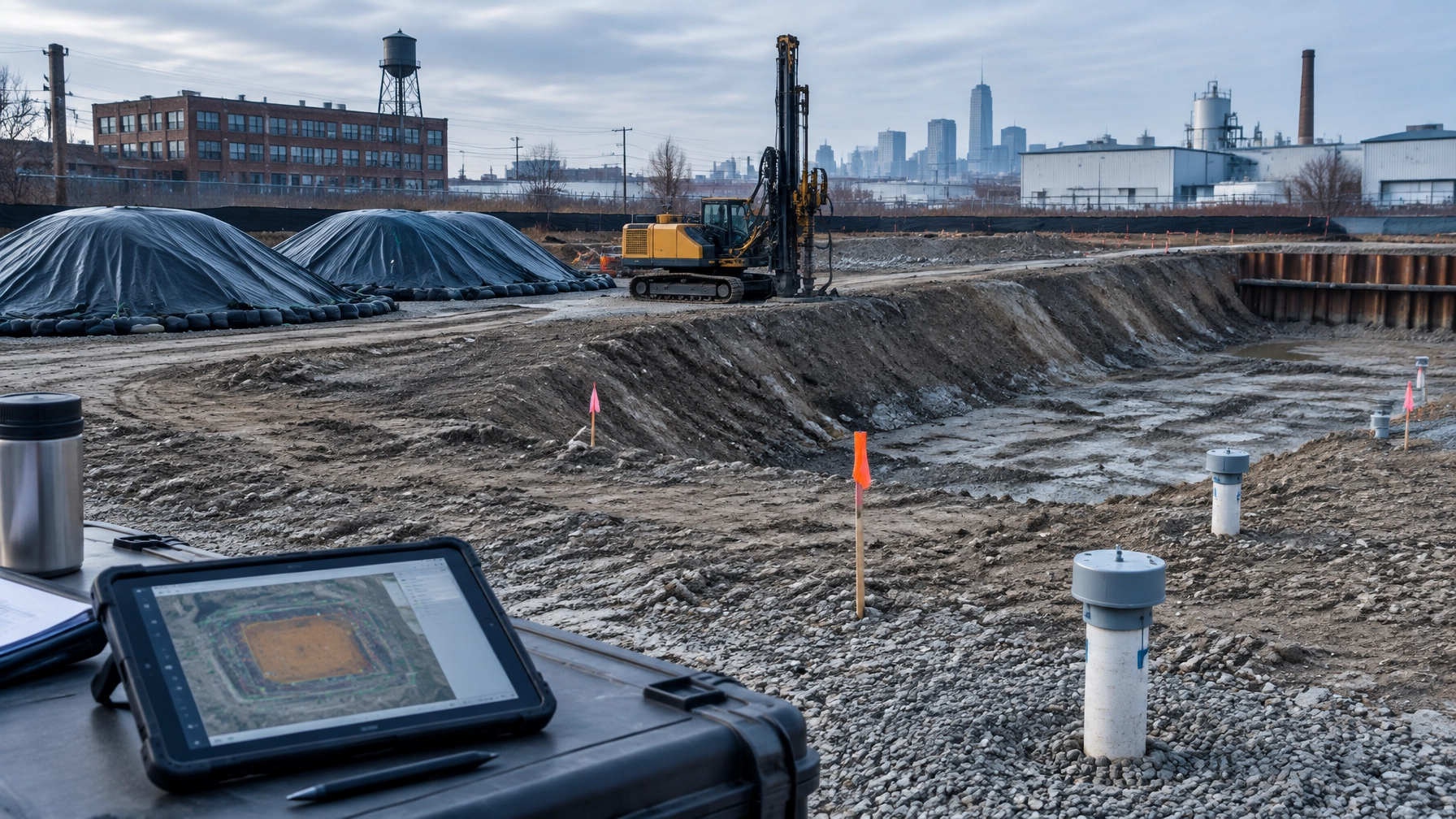
NJ Brownfield Tax Credits 2026: Documenting Remediation Costs, Bond Financing, and Municipal Incentives
A New Jersey brownfield project can qualify for significant financial support. The difficult part is not identifying the available programs. It is documenting the work, costs, financing gap, and regulatory status so the incentives survive review. For 2026 projects, developers must also account for a major timing issue. The New Jersey Economic Development Authority states […]
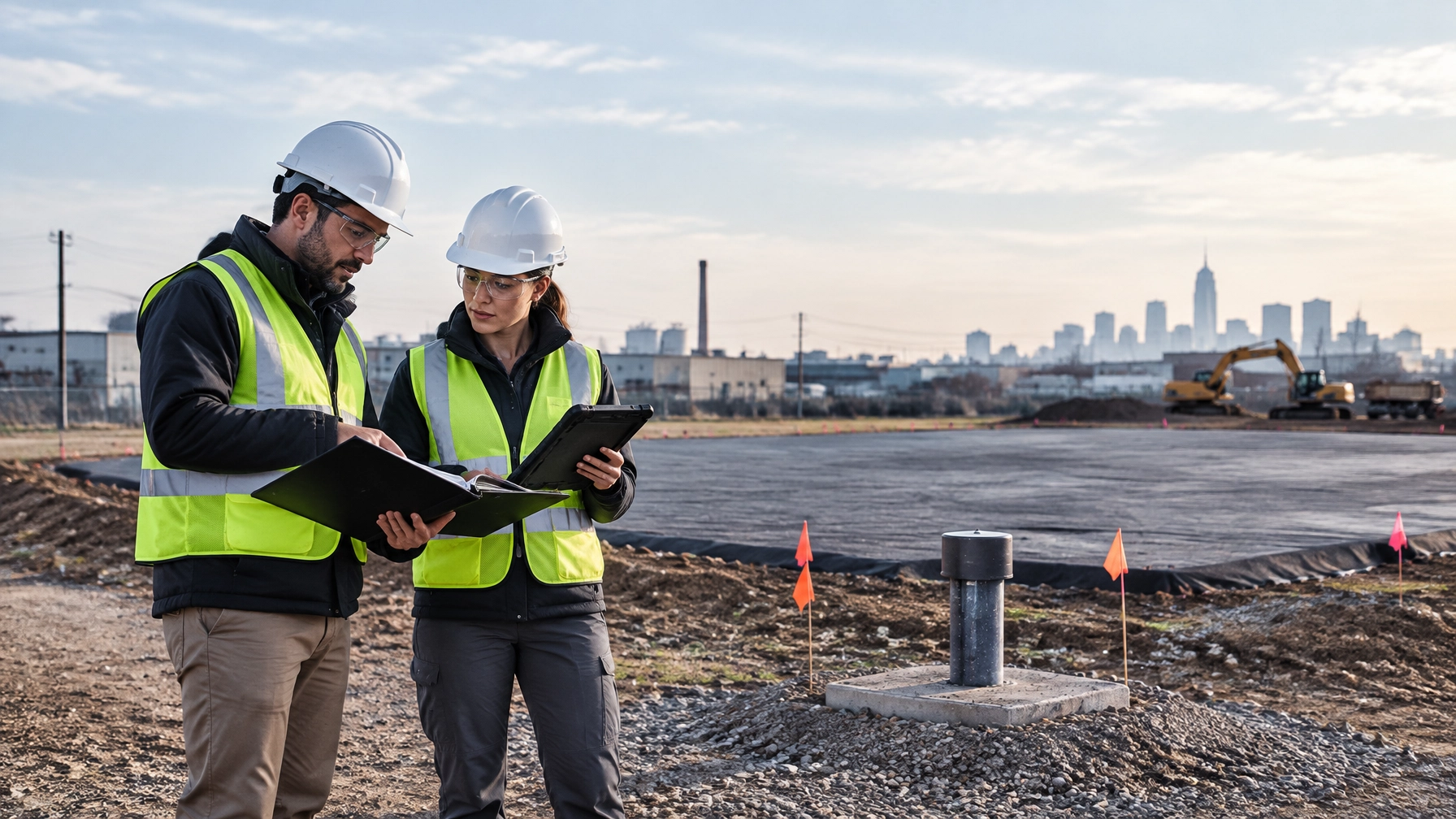
Continuing Obligations After Closing: Preserving BFPP Protection on NY and NJ Acquisitions
A Phase I ESA completed before closing can support Bona Fide Prospective Purchaser protection under CERCLA. It does not create a permanent shield. After acquisition, the buyer must continue meeting specific obligations. Those obligations apply to contaminated and potentially contaminated properties in New York, New Jersey, and throughout the United States. They also matter to […]
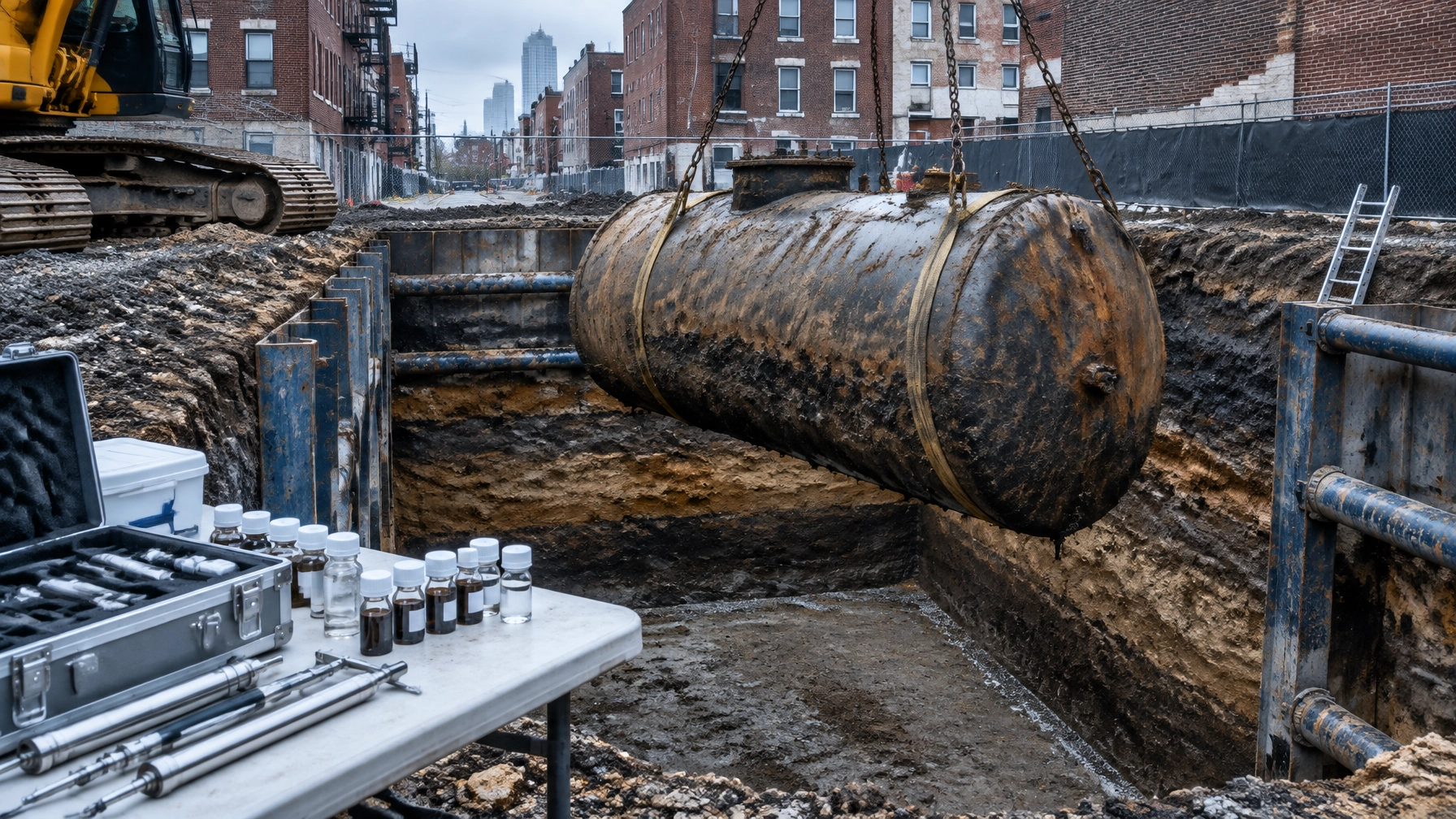
UST Closure Cost NJ 2026: Tank Removal, Confirmation Sampling, and NJDEP Reporting
If you are searching for UST closure cost NJ, the first number you need is not a contractor’s flat price. It is the cost of the full closure pathway. A tank may require removal, excavation, confirmation sampling, groundwater assessment, disposal documentation, NJDEP reporting, or full site remediation. […]
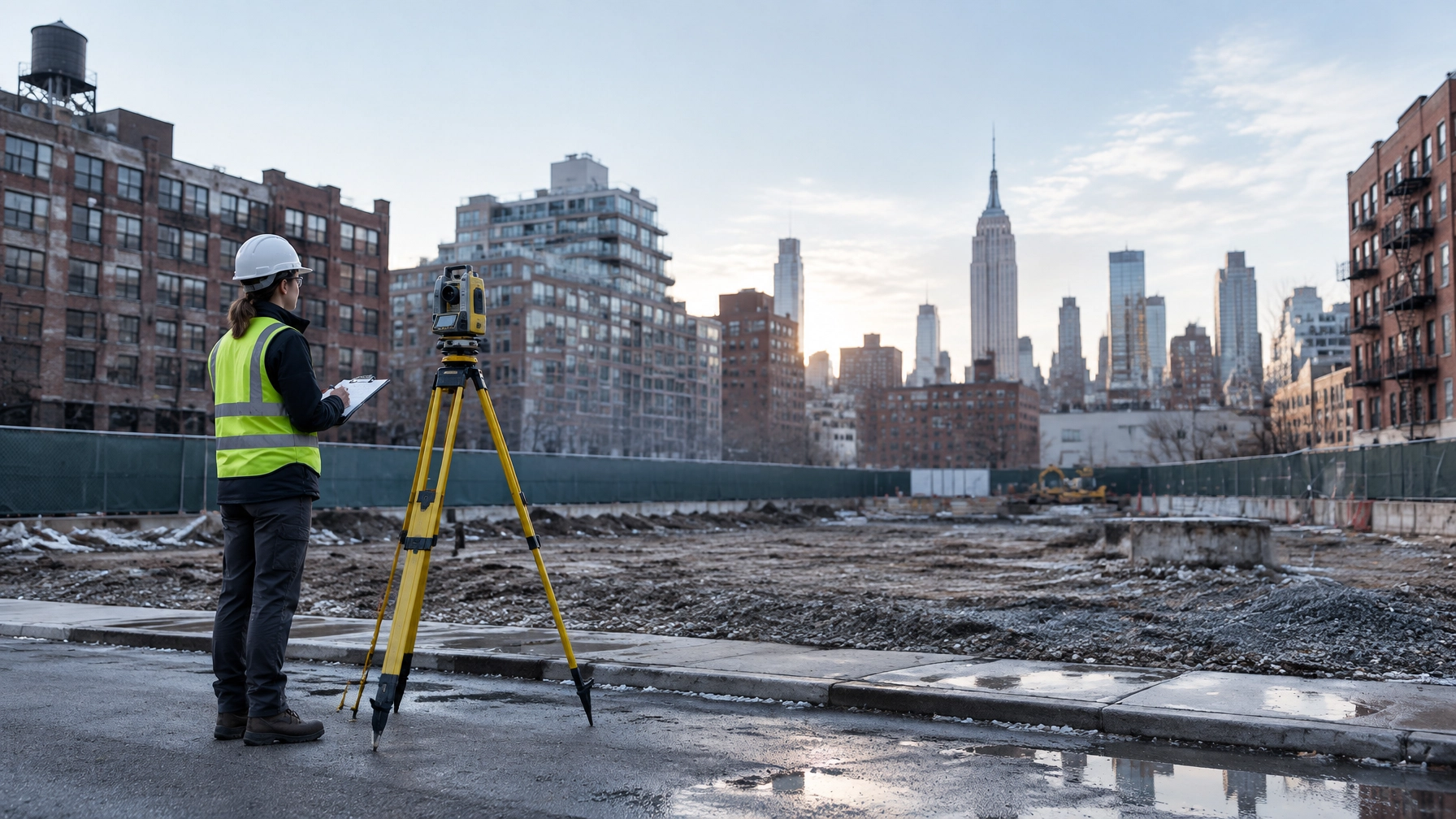
NYC Phase I ESA Cost 2026: What $1,800 to $4,500 Actually Buys Before Closing
If you’re asking, “How much does a Phase I ESA cost in NYC?” the practical 2026 answer is usually $1,800 to $4,500 for a straightforward commercial property, with more complex sites and rush schedules reaching higher. The price depends on what the consultant actually does. A low […]
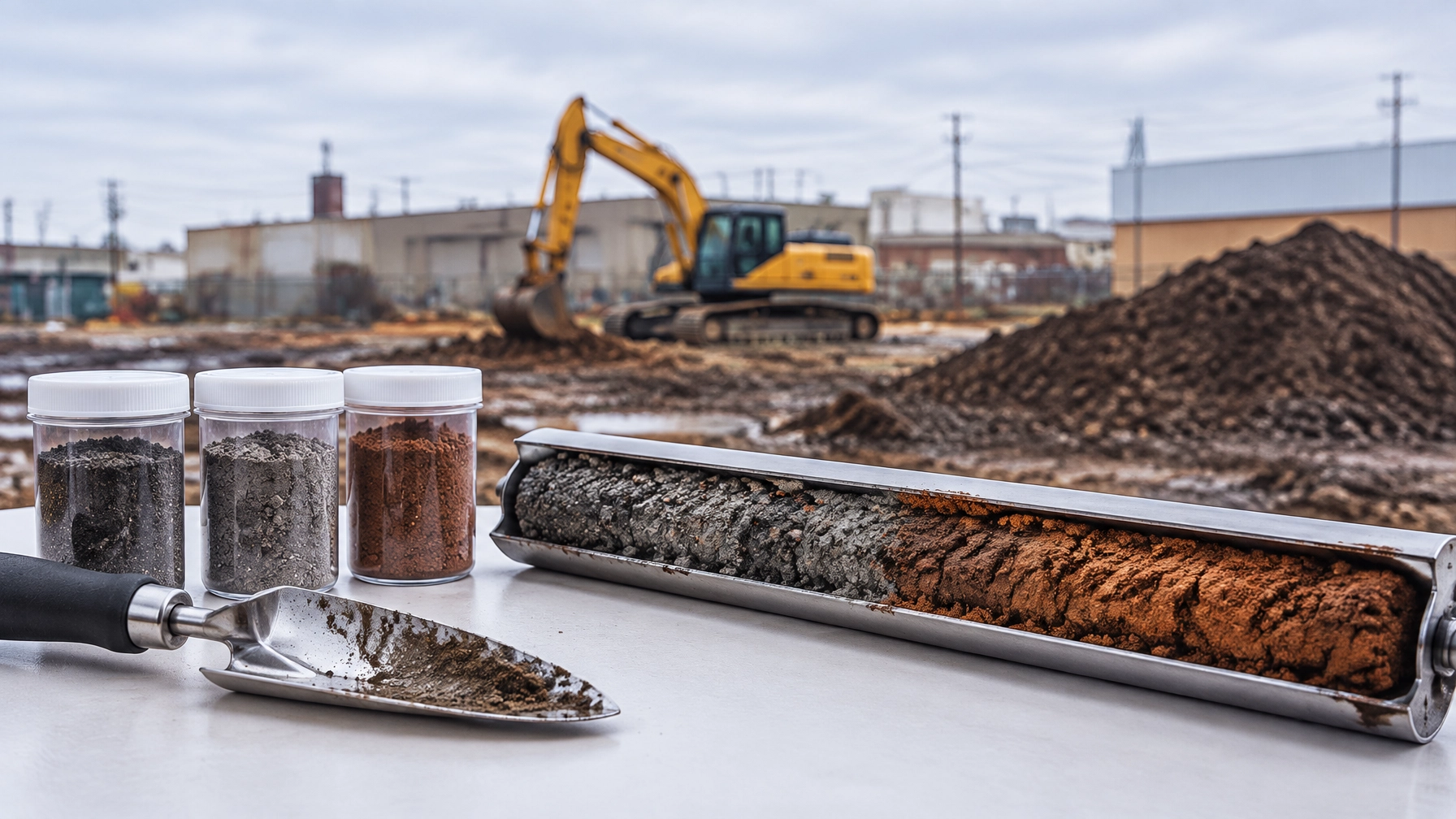
NYSDEC Part 375 Revised Lead Cleanup Objectives 2026: Soil Screening, Import Fill, and Brownfield Redevelopment
A lead result on a Phase II report can change more than a remediation table. It can change the sampling plan, soil reuse strategy, excavation controls, disposal profile, construction schedule, and project budget. That is why developers, lenders, attorneys, and contractors need to separate three issues: The NYSDEC Part 375 amendments that became effective December […]

Environmental Due Diligence Checklist for NJ Developers 2026: Sequencing Site Work Against Your Closing Date
A New Jersey acquisition can look financially sound until environmental diligence exposes a buried tank, historic fill, vapor concern, or an ISRA obligation that nobody put on the closing calendar. The problem usually isn't that environmental work exists. The problem is sequencing it too late. For developers, environmental due diligence for developers NJ projects should […]
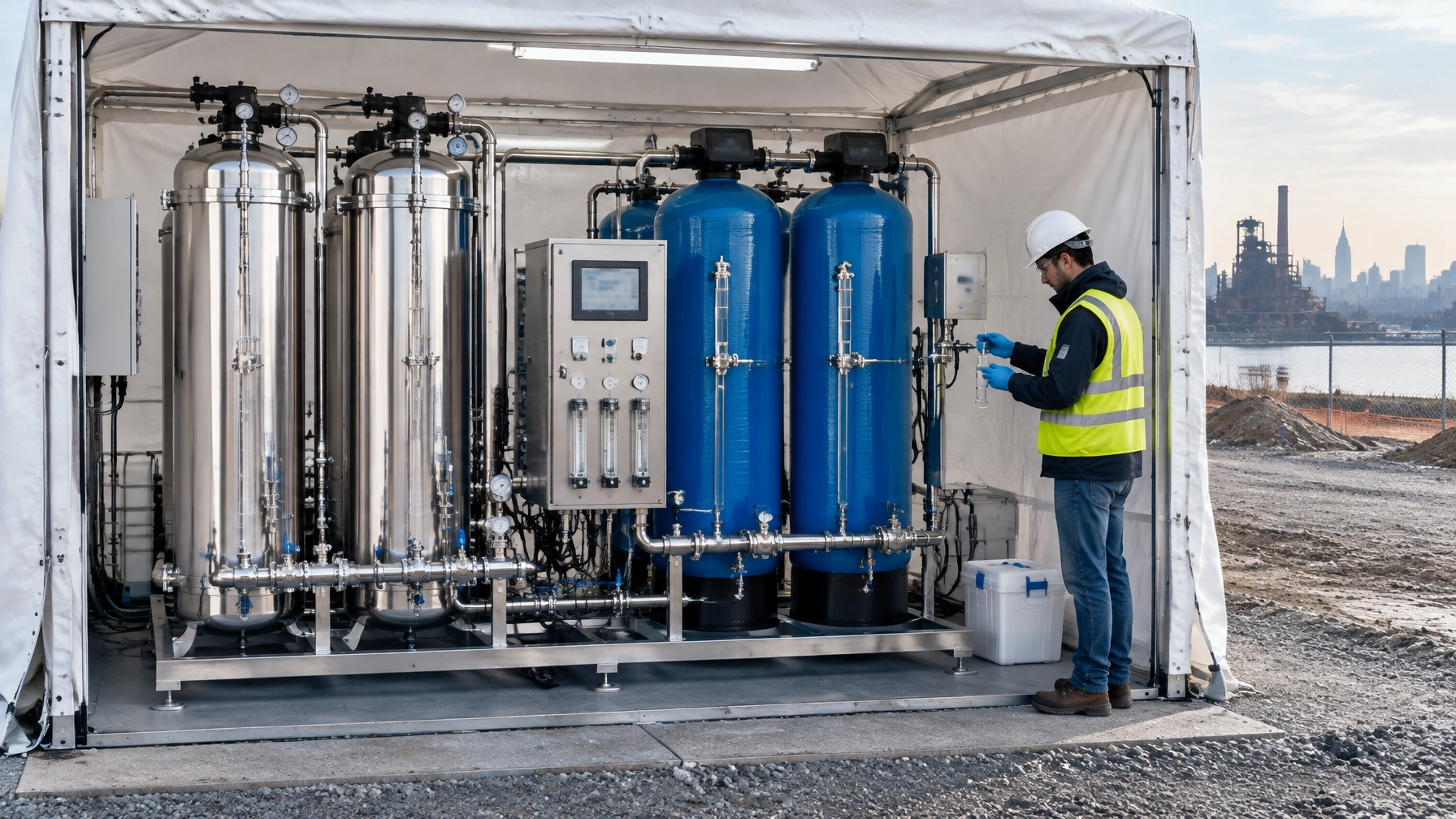
NJPDES Groundwater Discharge Permits for Remediation Systems: Treating PFAS Before Discharge in 2026
In New Jersey, treating PFAS-contaminated groundwater is only part of the job. You also need a lawful discharge path, a defensible monitoring plan, and treatment equipment designed around the compounds that NJDEP now expects you to analyze. That matters for developers, property owners, contractors, and responsible parties budgeting for PFAS remediation cost in NJ. A […]
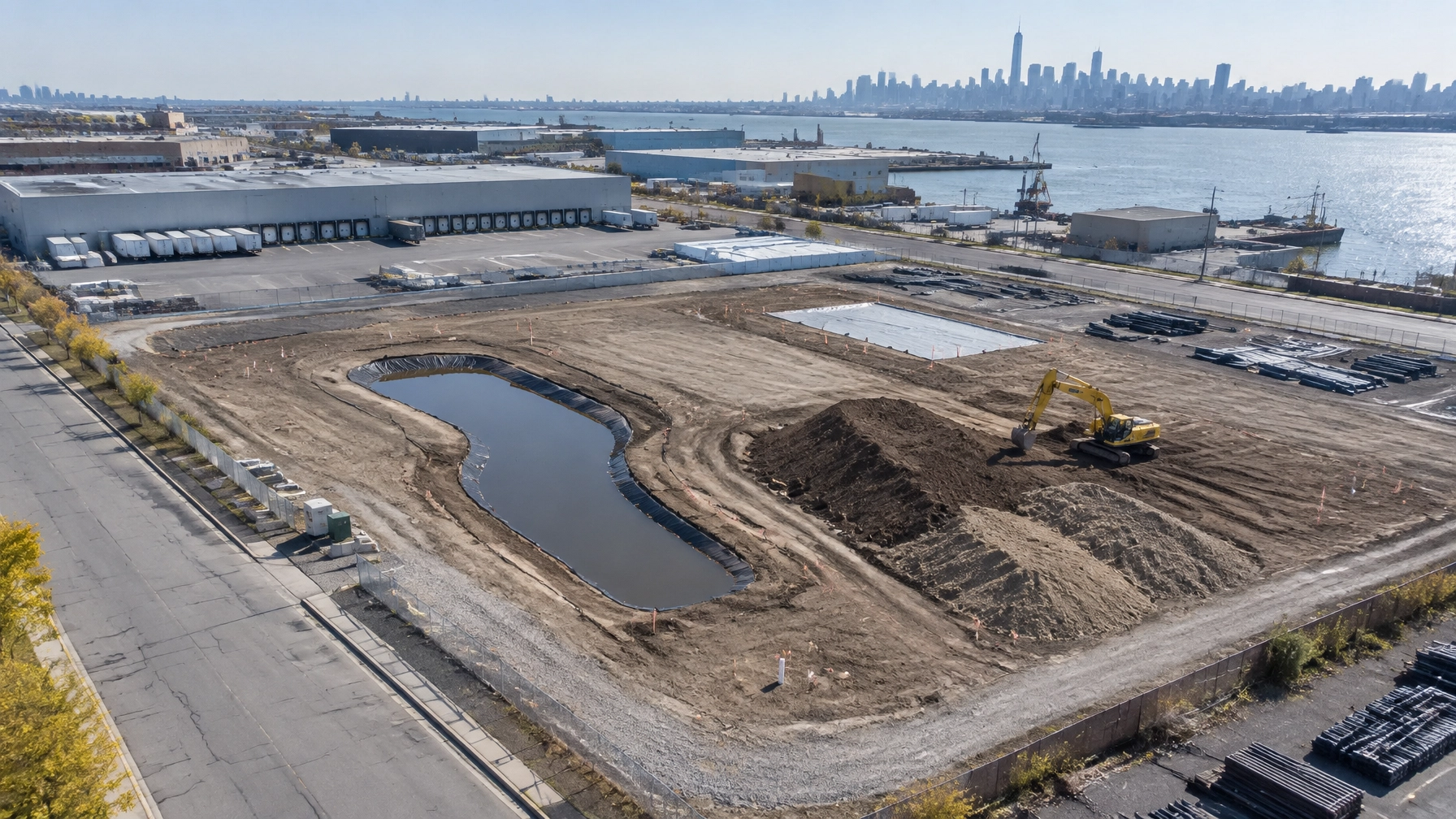
NJ ISRA De Minimis and Remediation-in-Progress Waivers: Transaction Tools for 2026 Closings
A New Jersey industrial property can look ready to close and still be blocked by ISRA. The problem usually starts before the closing date. A purchase and sale agreement may trigger the Industrial Site Recovery Act. The General Information Notice may have a five-calendar-day deadline. A lender may require proof of NJDEP authorization, a remediation […]
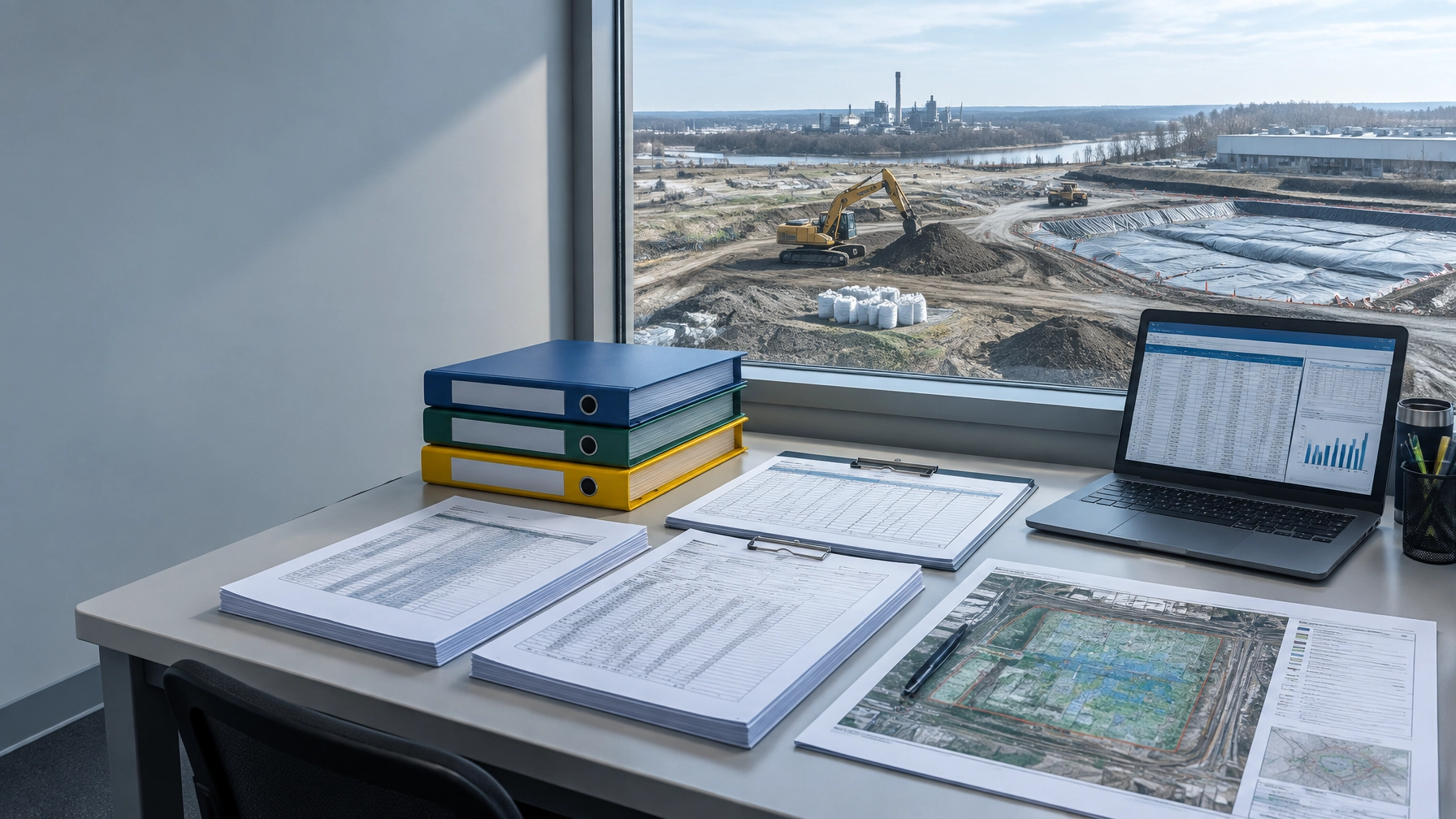
NJ Brownfield Tax Credits 2026: Audit-Proof Cost Documentation and Incentive Stacking
A New Jersey brownfield project can qualify for meaningful financial support. It can also lose that support when remediation costs, funding sources, and completion dates are poorly documented. The NJ Brownfield Tax Credit is not a reimbursement check issued when excavation begins. Under the New Jersey Economic […]